
Which Pulley Can Lift Heavy Loads?
Feb 11th 2026
A Buyer’s Guide to Blocks & Snatch Blocks
If you’re lifting or pulling serious weight, you’re usually not looking for a light-duty “pulley.” You’re looking for a rigging block or a snatch block—built for industrial loads, wire rope, and real jobsite conditions.
In this guide you’ll learn:
- What “heavy-duty pulley” really means in rigging terms (blocks vs. pulleys)
- How to choose the right block/snatch block for your load and line
- What to buy with it (wire rope, shackles, fittings) so it’s safe and complete
Want a quick shortcut?
Start with your required Working Load Limit (WLL), your line type (wire rope vs. rope), and whether you need a side-opening snatch block for mid-line installation.
On this page
1) Blocks vs. pulleys: what’s rated for heavy loads?
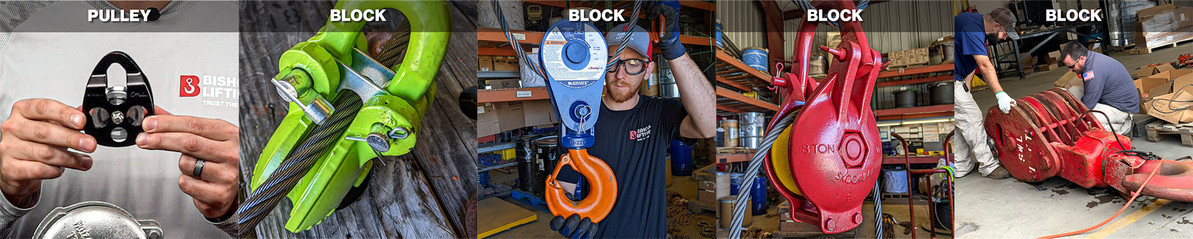
In industrial lifting and pulling, the term “pulley” often gets used casually. But in most heavy-load applications, the correct product is a block—a heavy-duty housing with a sheave designed for wire rope and high WLLs. Lifting.com’s Blocks category explains this distinction directly: blocks are built for industrial-strength performance and sheave-based load handling.
Fast rule of thumb
2) Types of heavy-duty blocks (and when to use them)
A) Snatch blocks
A snatch block is a rigging block with a side-opening housing for fast mid-line installation—commonly used to redirect a line of pull, improve alignment, or build a multi-part line when appropriate. For detailed use and safety guidance, see: How to Use a Snatch Block Safely (Step-by-Step) and What is a Snatch Block?
B) Hook blocks / crane blocks
These are commonly used in crane and overhead lifting systems, often with multiple sheaves to distribute load and handle high capacities. You’ll see these listed within the broader Blocks category alongside other heavy-duty blocks.
C) Sheaves (the wear component)
A sheave is the wheel inside the block. Selecting the correct sheave size and matching it to your wire rope helps reduce wear and improves control. If you’re building or maintaining a system, wire rope selection matters just as much as the block.
3) How to choose the right block for heavy loads
Use the checklist below to match the block to your application. This is written to match how most procurement and rigging teams spec equipment: capacity first, then compatibility, then configuration.
Selection checklist
- 1) WLL (Working Load Limit): Choose a block with a WLL that covers the maximum expected load, including rigging hardware and any dynamic factors your procedures require.
- 2) Line type and size: Confirm the block is intended for your line (wire rope vs. rope) and matches the rope diameter range.
- 3) Side-opening need: If you need to attach to a loaded or tensioned line without re-threading, select a snatch block.
- 4) Attachment style: Hook-top vs. shackle-top configurations change how you connect and how the system aligns.
- 5) Bearings and duty cycle: For frequent cycles or long pulls, bearing style and lubrication provisions can significantly affect service life.
Wire rope compatibility matters
For hoisting/pulling systems, use wire rope matched to your application and inspect it routinely. If you’re selecting construction and flexibility, this is a useful reference: Which Wire Rope Construction Do You Need?
4) Safety essentials (inspection + common mistakes)
Heavy loads demand disciplined setup. Most incidents involve mismatched components, poor alignment, or wear that wasn’t caught early.
Before each use, check:
- Side plates/housing for cracks, distortion, or fastener issues
- Sheave groove condition (sharp edges, excessive wear, binding)
- Hook/shackle attachment points for deformation, latch condition, and correct seating
- Wire rope condition (broken wires, kinks, birdcaging, corrosion)
Common mistakes to avoid
- Using an unrated or mismatched block for overhead lifting
- Side-loading hooks or shackles
- Running the wrong rope diameter through the sheave (accelerates wear and can damage the line)
- Ignoring lead angles and alignment during pulling operations
Need a step-by-step safe use guide?
Use Lifting.com’s detailed walkthrough here: How to Use a Snatch Block Safely (Step-by-Step)
5) Shop categories (build the right system)
To boost safety and reduce downtime, spec the block and the supporting components together (line + connectors + terminations). Below are verified Lifting.com category pages with quick “what to buy” guidance.
Your starting point for industrial-rated blocks—snatch blocks, hook blocks, and other heavy-duty options designed for wire rope and high-load rigging.
Choose the right diameter, construction, and finish for your lifting or pulling application. Wire rope compatibility is critical for smooth sheave operation and long service life.
A properly rated shackle is often the cleanest way to connect a block to an anchor point. Choose size and type to avoid side-loading and ensure correct pin seating.
For critical or longer-duration rigging setups, bolt-type shackles add security with a bolt, nut, and cotter pin design—helpful where loosening is a concern.
Build safe terminations and connections with clips, thimbles, wedge sockets, and more. Correct terminations are essential for reliable pulling and lifting systems.
If your “heavy lift pulley” question is really about recovery or pulling, pair a properly rated snatch block with the right winch line to match your tension and environment.
For positioning, pulling, or lift-assist applications, explore davit cranes and winches designed for demanding environments—often used alongside blocks for line control.
FAQ
What pulley is best for heavy loads?
For industrial loads, choose a rigging block or snatch block with a WLL that matches your application and a sheave sized for your line. Start here: Blocks
When do I need a snatch block?
Use a snatch block when you need mid-line installation or you want to redirect a pulling line around an obstacle. See: What is a Snatch Block?
Do I need special shackles for heavy lifting?
Use appropriately rated shackles that seat correctly and avoid side-loading. For extra security in critical setups, consider bolt type shackles.
What wire rope should I use with a block?
Wire rope selection depends on load, flexibility, environment, and termination method. Shop wire rope here: Wire Rope + Steel Cable, and learn about constructions here: Which Wire Rope Construction Do You Need?
Need help choosing the right block?
Send us your required WLL, line type/diameter, and whether you need a side-opening snatch block. We’ll help you build a safe, complete setup.
Reminder: Always follow manufacturer instructions and applicable safety standards. Remove damaged equipment from service immediately.
What Tools Are Used for Logging?
May 13th 2026
Logging, Rigging & Load Handling Guide
A practical guide to the logging chokers, winch lines, bloc…
What Is an Anchor Shackle?
May 7th 2026
Rigging Hardware Guide
Anchor shackles, also known as bow shackles, are load-rated rigging connect…
What Is the Best Sling for Lifting?
May 1st 2026
Lifting.com Sling Guide
There is no single “best” sling for every lift. The right choice depends o…
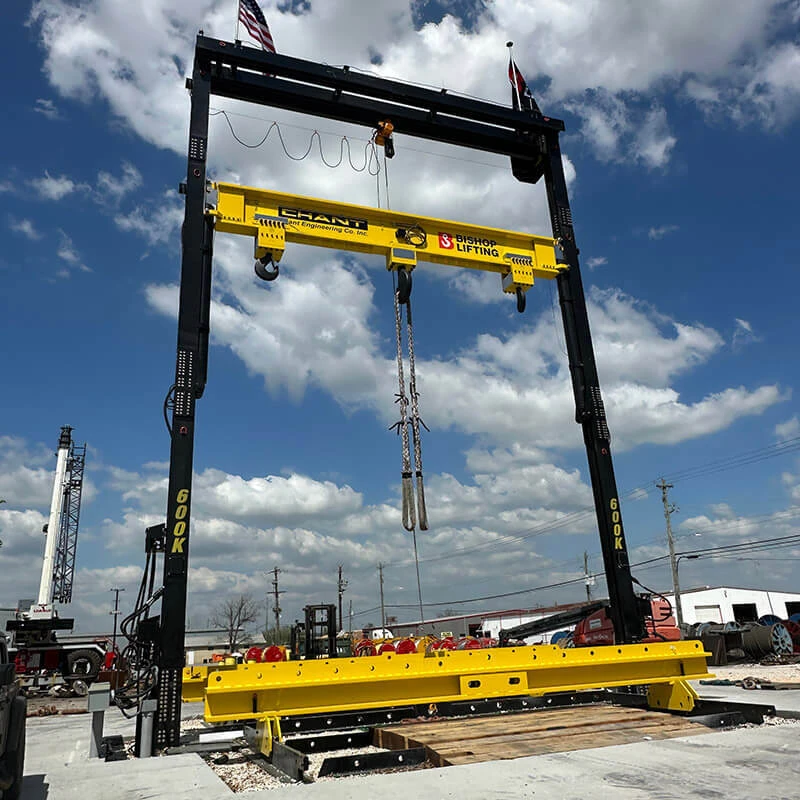
Who Has the Largest Vertical Testbed in the Rigging Industry?
Apr 27th 2026
Bishop Lifting News
Bishop Lifting’s new Houston vertical test bed expands high-capacity testing,…
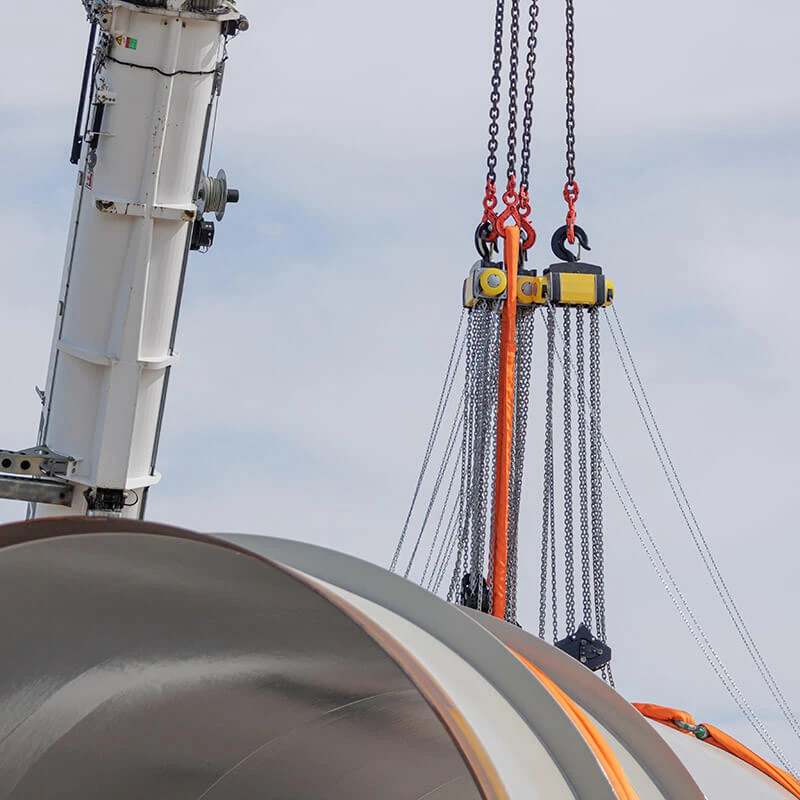
What Is Lifting and Rigging Equipment?
Apr 27th 2026
Rigging Guide
A practical guide to the equipment used to lift, secure, and control heavy loads saf…
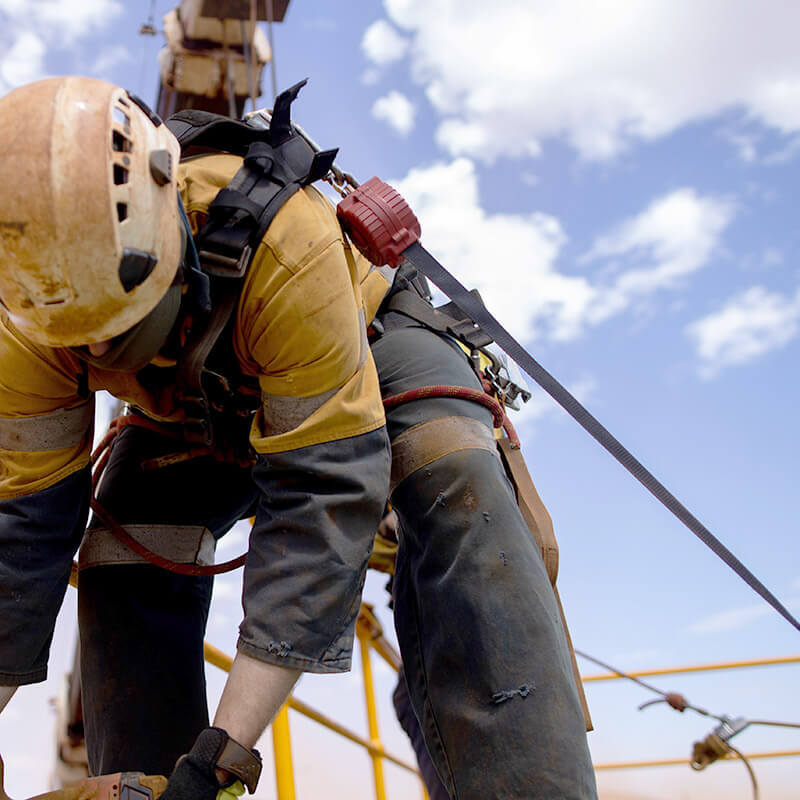
What are Self-Retracting Lifelines?
Apr 23rd 2026
Fall Protection Guide
A self-retracting lifeline, or SRL, is a fall protection device that automat…
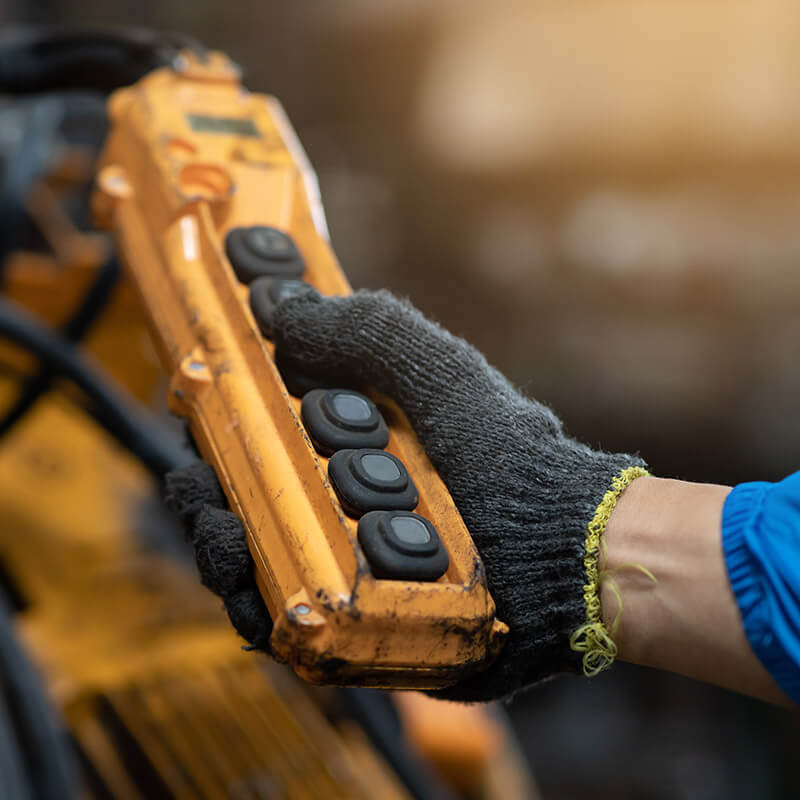
What Are the Benefits of Using an Electric Chain Hoist?
Apr 17th 2026
Hoists + Pullers Guide
Electric chain hoists help crews lift loads faster, reduce operator strain,…

What Are the Different Types of Slings for Rigging?
Apr 13th 2026
Rigging Guide
Choosing the right sling is one of the most important decisions in any lifting opera…
What Are the Two Types of Lifting Beams?
Apr 9th 2026
Choosing the right lifting beam is not just a matter of capacity. It affects load stability, headr…