

What Is Lifting and Rigging Equipment?
A practical guide to the equipment used to lift, secure, and control heavy loads safely—plus how to choose the right products for real jobsite conditions.
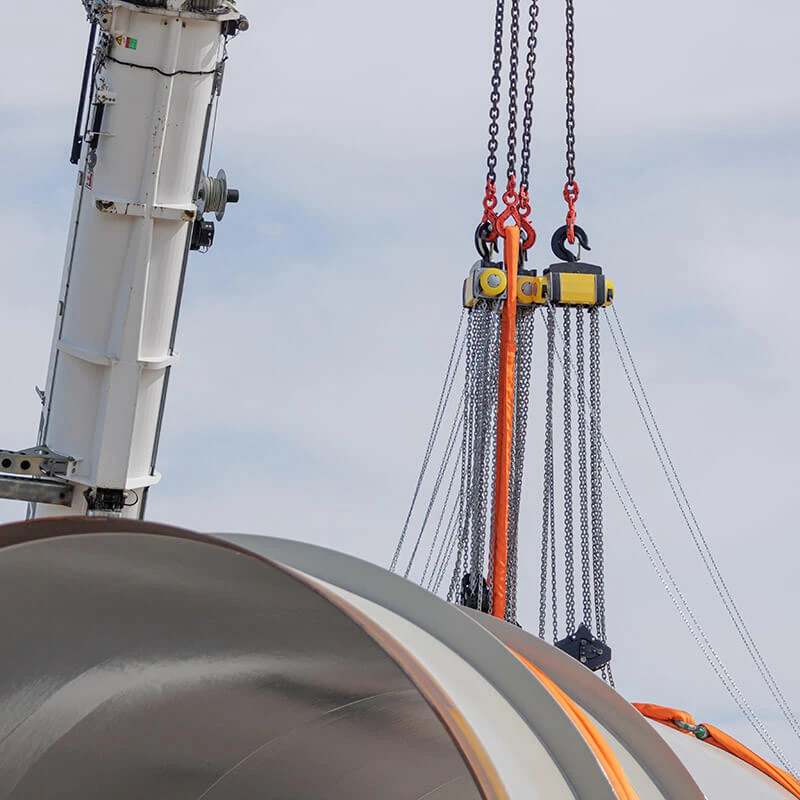
Lifting and rigging equipment includes the load-rated tools and hardware used to raise, lower, stabilize, and connect heavy loads during material handling operations. In most industrial environments, lifting equipment provides the force to move the load, while rigging equipment creates the secure connection between the load and the lifting device.
That distinction matters. Choosing the wrong sling, hook, shackle, or tensioning component can affect load control, wear life, and safety. The best setup depends on the weight of the load, the lift points, the environment, edge conditions, and how often the gear will be used.
At Lifting.com, the most relevant product categories for these applications include slings, rigging hardware, shackles, hooks, turnbuckles, wire rope slings, chain slings, synthetic slings, and hoists. This guide focuses on those product groups so buyers, safety managers, and operations teams can make better equipment decisions.
Lifting vs. Rigging: What’s the Difference?
Lifting refers to the powered or mechanical raising and lowering of a load. Hoists and other lifting devices do the work of moving the load vertically or positioning it.
Rigging refers to the hardware and assemblies used to connect, support, balance, and control that load during the lift. Slings, shackles, hooks, wire rope fittings, and turnbuckles are all part of the rigging system.
Core Types of Lifting and Rigging Equipment
1) Slings
Slings are among the most important components in any lifting setup because they support the load and transfer force from the lifting device to the pick points. The right sling choice depends on load weight, shape, surface sensitivity, environment, and required flexibility.
Common sling categories include wire rope slings, alloy chain slings, and synthetic slings such as web slings and round slings.
2) Shackles
Shackles are load-rated connectors used to join slings, hooks, chain, and attachment points. They are common in both permanent and temporary lifting assemblies and are available in several styles, including screw pin, bolt type, anchor, and chain configurations.
Proper fit and pin style matter. The wrong shackle can introduce side loading, poor alignment, or connection issues that reduce efficiency and increase risk.
3) Hooks
Rigging hooks connect the lifting system to chain, sling assemblies, or the load itself. Depending on the application, crews may choose self-locking hooks, sling hooks, grab hooks, foundry hooks, or specialty hooks.
Hook style should always match the intended connection point, load path, and operating environment.
4) Turnbuckles
Turnbuckles are precision tensioning components used to tighten or fine-tune wire rope, cable, and similar straight-line assemblies. In rigging, they are used to adjust tension, remove slack, and help maintain alignment.
They are available in multiple end-fitting styles, including eye-and-eye, jaw-and-jaw, and jaw-and-eye configurations.
5) Hoists
Hoists provide the lifting force required to raise and lower loads. Depending on the application, operations may use hand chain hoists, lever hoists, electric chain hoists, or pullers.
The right hoist depends on capacity, lift height, duty cycle, speed, and the level of control needed for the task.
6) General Rigging Hardware
Rigging hardware is the broader category that ties the system together. It can include shackles, hooks, turnbuckles, lifting points, wire rope fittings, and other connection components used to build safe, effective assemblies for lifting and load control.
How to Choose the Right Equipment
- Start with the load: know the weight, center of gravity, shape, and approved pick points.
- Match the material to the job: synthetic slings are lighter and help protect finished surfaces, wire rope slings perform well in rugged service, and chain slings are a strong fit for severe-duty environments.
- Check the connection points: the right hook, shackle, and fitting size is just as important as sling capacity.
- Consider the environment: heat, abrasion, sharp edges, chemicals, and outdoor exposure all affect product selection.
- Verify working load limits: every component in the system should be properly rated for the planned lift.
Shop the Most Relevant Categories on Lifting.com
Shop All Slings
Start here if you want a broad view of lifting sling options. This category is a strong entry point for buyers comparing synthetic, wire rope, and chain sling assemblies for general lifting and rigging work.
Alloy Chain Slings
A strong fit for tough environments where durability, adjustability, and resistance to demanding service conditions matter more than sling weight. Ideal for buyers who need rugged, high-confidence lifting assemblies.
Wire Rope Slings
A dependable choice for repeated lifting in abrasive or industrial environments. These slings are a smart option when buyers want strong all-around performance and long-term durability.
Synthetic Lifting Slings
A great category for crews that want lighter, easier-to-handle rigging and better load protection. Synthetic slings are especially useful when finished surfaces, flexibility, and handling speed are priorities.
Shackles
One of the most commonly used rigging connectors on the job. This category is ideal for buyers who need load-rated connection points for slings, hooks, chain, and below-the-hook hardware.
Rigging Hooks
Best for buyers building or replacing sling assemblies and connection hardware. This category helps users match hook style, latch design, and grade to the real demands of the lift.
Turnbuckles
A smart category for applications that require tensioning and alignment. Buyers can use these products to fine-tune cable, rod, and wire rope assemblies with more precise control.
Rigging Hardware
Use this category when you need to build a complete system around the sling. It’s the right place to compare connectors, lifting points, fittings, and other load-rated hardware used in safe rigging assemblies.
Hoists & Pullers
A practical destination for lifting and positioning equipment when the job calls for controlled raising, lowering, or pulling. This category works well for maintenance teams, fabrication shops, and industrial users looking for dependable lifting tools.
Best Fit by Application
Choose synthetic slings when:
- You want lighter rigging that is easier to handle.
- Load protection is important.
- You need flexibility around irregular shapes or finished surfaces.
Choose wire rope slings when:
- You need rugged, everyday performance in demanding environments.
- Abrasion resistance matters.
- You want a durable sling option for repeated industrial use.
Choose chain slings when:
- You need a tough sling for severe-duty service.
- Adjustability and ruggedness are priorities.
- Harsh jobsite conditions are harder on lighter sling materials.
Safety and Inspection Basics
No product selection guide is complete without inspection and training. Every lift should begin with a review of component condition, connection fit, working load limits, and the planned load path.
- Inspect slings, hooks, shackles, and fittings before use.
- Remove damaged or questionable equipment from service.
- Use components that are correctly sized and rated for the job.
- Avoid improvised connections and side loading.
- Make sure operators and riggers are trained for the equipment and application.
Helpful Resources from Lifting.com
What Are the Different Types of Slings for Rigging?
A strong next step for readers who want a deeper breakdown of sling types and when to use each one.
The 3 Main Types of Shackles (and How to Choose the Right One)
Useful for buyers comparing shackle body style, pin style, and common application fit.
What Is Considered Rigging Hardware?
A helpful overview for readers who need a clearer understanding of how rigging hardware fits into a lifting system.
What Is a Turnbuckle Used for in Rigging?
A good resource for readers who want to understand where turnbuckles fit into tensioning and alignment tasks.
What Are the Most Common Tools Used in Rigging?
A broader guide that helps readers compare the tools most often used together in real lifting operations.
Final Takeaway
Lifting and rigging equipment is not just about moving heavy loads. It is about building the right system for safe control, secure connection, and consistent performance in the field.
For many buyers, the smartest starting point is to identify the sling type first, then match the hardware around it: shackles, hooks, turnbuckles, and the lifting device itself. That approach helps create a more complete and reliable setup.
If you are building or upgrading your lifting setup, explore the live product categories above to compare the most relevant equipment available now on Lifting.com.
Frequently Asked Questions
What is lifting and rigging equipment?
It refers to the load-rated products used to raise, lower, connect, support, and control heavy loads. That can include slings, shackles, hooks, turnbuckles, hoists, and other rigging hardware.
What is the difference between lifting and rigging?
Lifting is the act of moving the load with a hoist or other lifting device. Rigging is the selection and use of the hardware that secures and controls that load during the lift.
What type of sling should I choose?
Choose based on the load, environment, and handling needs. Synthetic slings are lighter and help protect surfaces, wire rope slings are durable for tough service, and chain slings are a strong choice for severe-duty lifting.
Why are shackles and hooks so important?
They are the connection points that link the sling and the load to the lifting system. Proper fit, proper rating, and correct style selection are essential to a safe assembly.
How often should rigging equipment be inspected?
Equipment should be inspected before use and removed from service if there are signs of wear, deformation, damage, or other conditions that could affect performance or safety.
What Is Lifting and Rigging Equipment?
Apr 27th 2026
What are Self-Retracting Lifelines?
Apr 23rd 2026
What Are the Benefits of Using an Electric Chain Hoist?
Apr 17th 2026

What Are the Different Types of Slings for Rigging?
Apr 13th 2026
What Are the Two Types of Lifting Beams?
Apr 9th 2026
What Is an Eye Bolt Used For?
Apr 3rd 2026
How to Determine Chain Binder Size
Mar 30th 2026
Is a Safety Harness Considered Fall Protection?
Mar 16th 2026
What Is the Difference Between a Gantry Crane and a Davit Crane?
Mar 13th 2026