
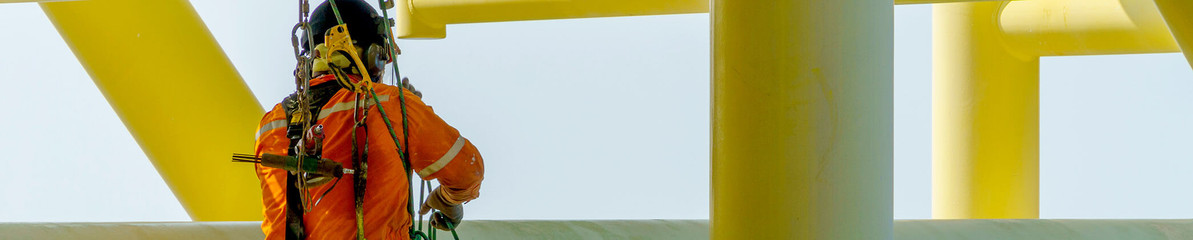
What Are the Main Categories of Fall Protection?
Fall Protection Guide
Understanding fall protection categories helps safety managers, contractors, maintenance crews, and industrial buyers choose the right equipment for working at height.
Falls remain one of the most serious hazards in construction, maintenance, utilities, industrial facilities, and other work-at-height environments. Choosing the right fall protection system is not just about meeting a requirement. It is about matching the hazard, the task, the anchorage, the available fall clearance, and the worker’s movement needs.
Fall protection is often discussed in three broad categories: active fall protection, passive fall protection, and administrative controls. However, it is important to understand that not all three are “equipment.” Active and passive systems typically involve physical products, while administrative controls are policies, training, procedures, and supervision that support safer work.
Need fall protection gear? Shop Lifting.com’s complete selection of harnesses, lanyards, SRLs, anchors, horizontal lifelines, rescue equipment, and job-ready fall protection kits.
1. Active Fall Protection Systems
Active fall protection systems require the worker to use personal protective equipment correctly. These systems are commonly used when a worker must operate near an exposed edge, on an elevated structure, in a lift, on a roof, on scaffolding, or in another area where a fall hazard cannot be fully eliminated.
A common active system is a personal fall arrest system. It typically includes a full-body harness, a connector such as a shock-absorbing lanyard or self-retracting lifeline, and a secure anchorage point. Depending on the application, it may also include a horizontal lifeline, vertical lifeline, rope grab, rescue equipment, or controlled descent device.
Common Active Fall Protection Equipment
- Full-body harnesses to distribute fall arrest forces across the worker’s body.
- Lanyards for connecting the harness to an approved anchor or lifeline.
- Self-retracting lifelines to help reduce free-fall distance while allowing worker mobility.
- Anchors to provide secure tie-off points.
- Horizontal and vertical lifeline systems for movement across or along elevated work areas.
- Rescue and descent systems to support retrieval or evacuation after a fall or during confined space entry.
2. Passive Fall Protection Systems
Passive fall protection systems help prevent falls without requiring workers to wear or operate personal fall arrest equipment. These systems are installed around, below, or near the hazard to create a physical barrier or protective zone.
Examples include guardrails, safety gates, hole covers, and safety net systems. Passive systems are often preferred when they are practical because they reduce reliance on individual worker action. However, they may not be suitable for every jobsite, especially where workers must move across large areas, access changing work zones, or perform specialized elevated tasks.
Important: Passive fall protection is a critical part of work-at-height safety, but many Lifting.com fall protection products are focused on active systems such as harnesses, lanyards, SRLs, anchors, lifelines, and rescue equipment.
3. Administrative Controls
Administrative controls are not fall protection equipment, but they are an important part of a complete fall protection program. These controls include written procedures, hazard assessments, worker training, rescue planning, supervision, inspection schedules, and jobsite rules.
Administrative controls can help reduce risk, but they should not be used as a substitute for proper fall protection equipment when physical protection is required. In most real-world applications, the safest approach combines the right equipment with clear procedures and trained workers.
How to Choose the Right Fall Protection Equipment
The right setup depends on the job. Before selecting fall protection gear, evaluate the work height, fall clearance, anchorage location, leading-edge exposure, worker mobility, rescue requirements, and environmental conditions.
A Practical Selection Checklist
Is the worker exposed to an edge, opening, ladder, elevated platform, confined space, or overhead structure?
The anchor location affects fall distance, swing fall risk, mobility, and equipment selection.
Lanyards may work for many standard applications, while SRLs are often preferred where shorter arrest distance and greater mobility are needed.
Consider comfort, fit, weight rating, D-ring configuration, positioning needs, rescue requirements, and how long the worker will wear the harness.
A fall protection plan should include how a suspended worker will be reached, retrieved, or lowered safely.
Shop Fall Protection Categories on Lifting.com
The following category links are useful for building a complete fall protection system. Each section includes a short intro to help you quickly identify the right product area.
Fall Protection Equipment
Start here for the full lineup of fall protection products, including harnesses, SRLs, lanyards, anchors, lifelines, rescue systems, and accessories.
Shop Fall ProtectionBody Harnesses + Belts
Choose full-body harnesses for fall arrest, positioning, rescue, climbing, and general work-at-height applications. A properly fitted harness is the foundation of many active fall protection systems.
Shop HarnessesLanyards
Shop shock-absorbing, positioning, adjustable, tie-back, and twin-leg lanyards for connecting workers to approved anchors or lifeline systems.
Shop LanyardsSelf-Retracting Lifelines
SRLs help improve mobility while limiting free-fall distance. They are commonly used where workers need movement and a faster-acting fall arrest connection.
Shop SRLsAnchors
Anchors provide secure tie-off points for lanyards, SRLs, and lifeline systems. Choosing the right anchor depends on structure, location, mobility, and application.
Shop AnchorsHorizontal Lifeline Systems
Horizontal lifelines allow workers to move across an elevated work area while remaining connected. They are useful for rooftops, bridges, crane rails, and long-span work zones.
Shop Horizontal LifelinesVertical Lifelines + Grabs
Vertical lifelines and rope grabs support climbing, ladder access, scaffolding, and other applications where workers move vertically while staying connected.
Shop Vertical LifelinesConfined Space Rescue
Confined space rescue equipment includes tripods, davit systems, winches, retrieval devices, and related gear for entry, rescue, and emergency retrieval planning.
Shop Confined Space RescueControlled Descent + Self Rescue
Controlled descent and self-rescue equipment can help support evacuation or post-fall response planning where workers may need to descend or be lowered safely.
Shop Descent + Self RescueFall Protection Kits
Fall protection kits are a convenient way to standardize gear across crews, new hires, or repeat jobsite applications. Review each kit to confirm the included harness, connector, and anchor setup matches the work.
Shop Fall Protection KitsFall Protection Accessories
Accessories help complete, organize, and support fall protection systems. Use this category for add-ons and replacement items that help keep your setup job-ready.
Shop AccessoriesHelpful Fall Protection Resources
Need more guidance before selecting equipment? These Lifting.com resources explain key fall protection components and common product types.
Watch: Fall Protection Overview
Frequently Asked Questions
What are the three main categories of fall protection?
The three broad categories are active fall protection systems, passive fall protection systems, and administrative controls. Active systems require worker participation and equipment use. Passive systems create a barrier or protective zone. Administrative controls include training, procedures, inspections, and supervision.
Is a harness considered fall protection?
Yes, a full-body harness is a key part of many fall protection systems. However, a harness must be used with compatible connectors and an approved anchorage point to create a complete fall arrest or fall restraint system.
What is the difference between fall arrest and fall restraint?
Fall restraint is designed to help prevent the worker from reaching a fall hazard. Fall arrest is designed to stop a fall after it occurs and reduce the forces placed on the worker.
When should I use an SRL instead of a lanyard?
An SRL may be preferred when workers need more mobility or when reducing free-fall distance is a priority. A lanyard may be suitable for many standard applications, but the correct choice depends on the anchorage location, fall clearance, task, and work environment.
Why is rescue planning important?
After a fall, a worker may be suspended in a harness and unable to self-rescue. A complete fall protection plan should include rescue procedures, retrieval equipment, trained personnel, and a clear response process.
Build a Safer Fall Protection System
Whether you need a harness, lanyard, SRL, anchor, lifeline, rescue system, or complete kit, Lifting.com has fall protection equipment for demanding work-at-height applications.
Shop Fall Protection Gear
What Safety Products Does Palmer Safety Make?
May 14th 2026
What Tools Are Used for Logging?
May 13th 2026
What Is an Anchor Shackle?
May 7th 2026
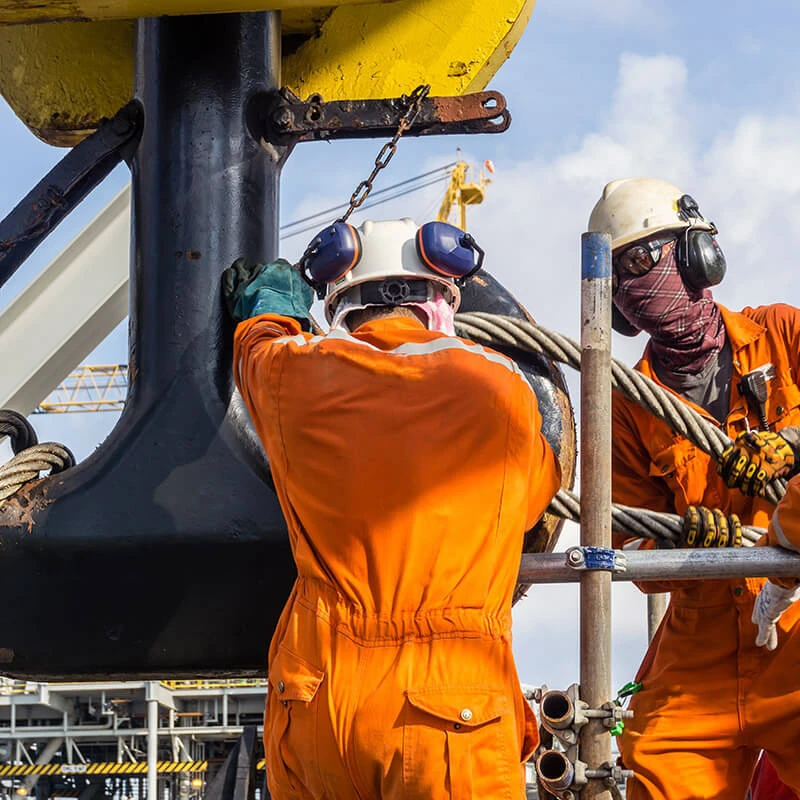
What Is the Best Sling for Lifting?
May 1st 2026
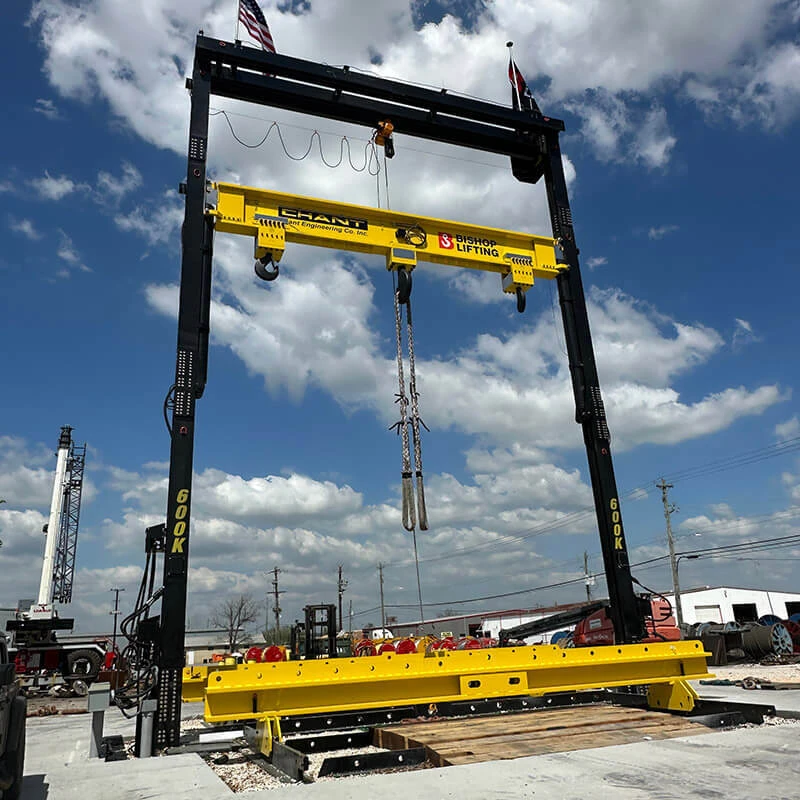
Who Has the Largest Vertical Testbed in the Rigging Industry?
Apr 27th 2026
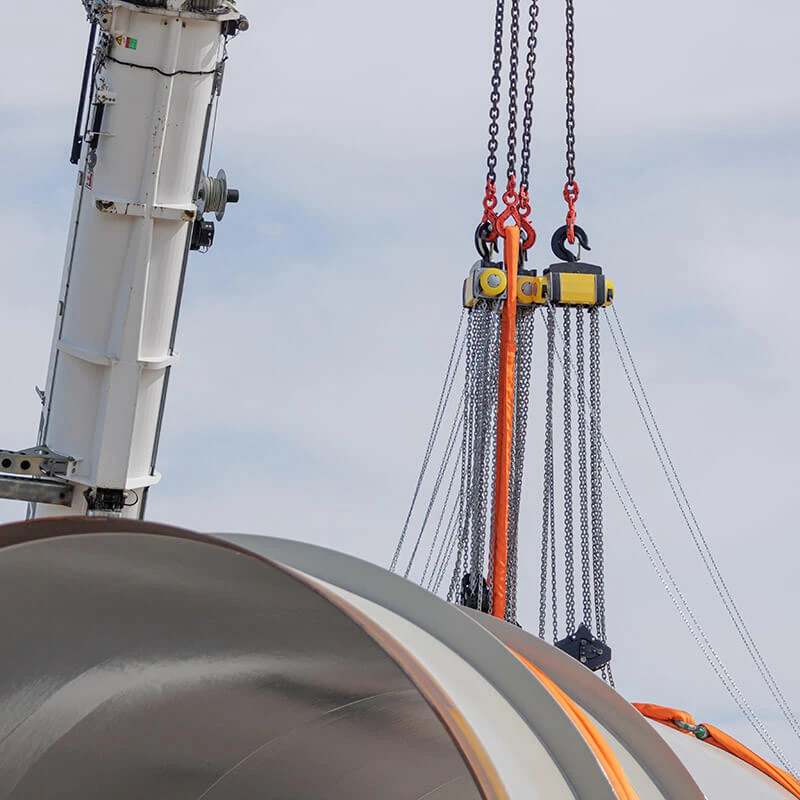
What Is Lifting and Rigging Equipment?
Apr 27th 2026
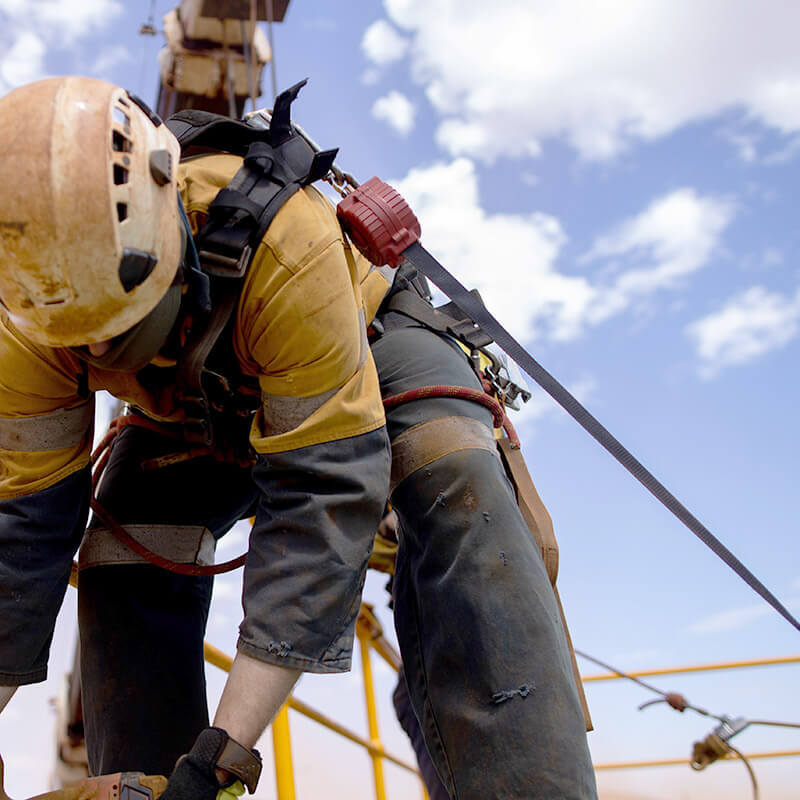
What are Self-Retracting Lifelines?
Apr 23rd 2026
What Are the Benefits of Using an Electric Chain Hoist?
Apr 17th 2026

What Are the Different Types of Slings for Rigging?
Apr 13th 2026