
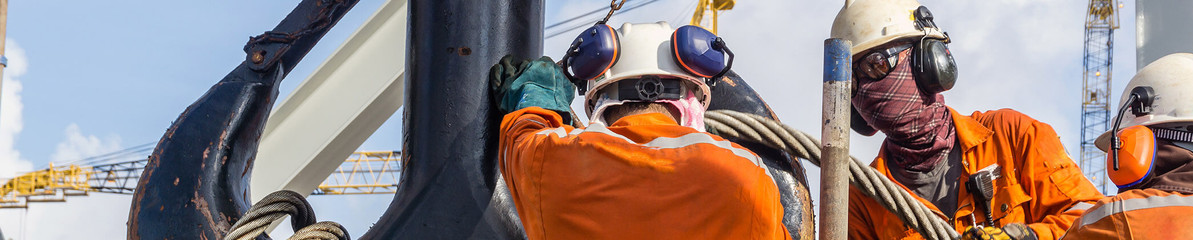
What Is the Best Sling for Lifting?
There is no single “best” sling for every lift. The right choice depends on load weight, surface condition, lift geometry, edge exposure, and the environment. This guide breaks down the main sling types and shows how to choose the right option for the job.
If you work in fabrication, construction, maintenance, transportation, or general material handling, sling selection affects more than convenience. It affects load control, product life, inspection requirements, and lift safety. A sling that works well on a finished machine may be the wrong fit for abrasive steel, hot material, or repeated daily production lifts.
In practical terms, the best sling is the one matched to the application. Synthetic slings are often the best fit when load protection and easier handling matter most. Wire rope slings are a dependable choice for rugged, everyday lifting. Alloy chain slings are built for severe service, higher heat, and tougher conditions. Polyester round slings are a strong all-around option when flexibility and surface protection both matter.
This version is also aligned to what shoppers can actually buy on Lifting.com today, with links to live product categories and related blog content throughout.
Short Answer
For many general-purpose lifts, a polyester round sling is the best all-around choice because it is lightweight, flexible, easy to handle, and gentler on finished surfaces. For heat, sharp edges, or severe-duty service, alloy chain is usually the better option. For rugged everyday lifting with strong capacity and durability, wire rope is often the practical middle ground.
The Main Sling Types You Should Know
1) Alloy Chain Slings
Alloy chain slings are built for demanding lifts where toughness matters most. They perform well in severe-duty environments and are a strong fit for abrasive service, repeated use, and applications where adjustability and rugged construction are priorities.
On Lifting.com, chain sling options are clearly represented, with Grade 100 products prominently featured and Grade 80 and Grade 120 also available for applications that require them. That makes chain slings a credible, well-supported category for this article and for your audience.
Best for: severe service, heavy industrial lifting, repeat-use environments, tougher edges, and higher-heat applications.
Trade-offs: heavier to handle, less forgiving on finished surfaces, and usually more expensive than synthetic options.
Shop category: Alloy Chain Slings
2) Wire Rope Slings
Wire rope slings are a dependable choice when you want strong capacity, durability, and a more rugged feel than synthetics without moving all the way to chain. They are widely used for general heavy lifting and perform well in many industrial settings.
Lifting.com also makes this category commercially relevant because the site highlights custom fabrication and daily production of wire rope slings to customer specifications, including sling length, capacity, and configuration. That is strong alignment between the article topic and actual product availability.
Best for: rugged everyday lifting, higher-capacity applications, abrasive environments, and buyers who want durability without chain weight.
Trade-offs: stiffer than synthetic slings and less suitable for delicate finished loads.
Shop category: Wire Rope Slings
3) Synthetic Web Slings
Synthetic web slings are a go-to choice when lighter weight, easier handling, and load protection are more important than abrasion resistance. They spread load over a wider surface area and are commonly chosen for finished, painted, or more delicate loads.
For Lifting.com specifically, polyester web slings are very well represented. The site’s synthetic sling category highlights polyester as the industry standard and offers dedicated web sling product pages, which makes this a strong fit for your audience and catalog.
Best for: lighter handling, finished surfaces, general fabrication, and straightforward vertical or basket lifts.
Trade-offs: requires protection around sharp edges and is less suitable for heat or harsher service conditions.
Shop category: Eye & Eye Web Slings
4) Polyester Round Slings
If you want one sling type that covers the widest range of everyday lifting with a strong balance of flexibility, capacity, and load protection, polyester round slings are often the best all-around answer. They conform well to irregular loads, work well in choker configurations, and are easier to handle than steel options.
This category is especially well represented on Lifting.com. The site carries endless polyester round slings, eye-and-eye polyester round slings, and high-performance endless options for heavier-duty or weight-sensitive applications.
Best for: general-purpose lifting, choker hitches, irregular loads, repeated handling, and finished loads that need more protection.
Trade-offs: like other synthetics, they still need edge protection and proper attention to environment and wear.
Shop category: Endless Polyester Round Slings
A Better Way to Choose the Right Sling
1) Start with the load and the hitch
Know the actual load weight, where the load will be picked, and what hitch you will use. Sling selection should always reflect real lift conditions, not just a catalog capacity number.
2) Consider the surface and the edges
Finished loads often point you toward synthetic slings. Sharp edges and rougher contact points usually push the decision toward steel or toward synthetics with proper edge protection.
3) Match the sling to the environment
Outdoor exposure, higher heat, production wear, moisture, chemical exposure, and abrasive surfaces all influence the right choice. One of the biggest mistakes in sling selection is treating every lift as if it happens in the same environment.
4) Think about frequency of use
For occasional general lifts, synthetic slings often give you the best versatility per dollar. For repeated severe-duty use, chain may offer better long-term value. For rugged day-to-day lifting, wire rope remains a strong practical choice.
Quick Comparison Without a Table
Choose Alloy Chain When
You need toughness, heat tolerance, adjustability, and a sling that stands up to repeated punishment in demanding environments.
Choose Wire Rope When
You need a dependable all-purpose steel sling with good capacity, durability, and a more manageable weight than chain.
Choose Web Slings When
You want lightweight handling and broader load contact for finished, painted, or more delicate loads.
Choose Round Slings When
You want a highly versatile synthetic option for everyday lifting, choker use, irregular shapes, and better handling efficiency.
Shop the Most Relevant Sling Categories on Lifting.com
Shop All Slings
Start here if you want the broadest view of Lifting.com’s sling lineup. This category includes chain slings, wire rope slings, synthetic slings, high-performance slings, and sling protection, making it the best first stop for comparing options side by side.
Alloy Chain Slings
A strong category for buyers who need rugged sling assemblies for tougher service. This is the right path when durability, severe-duty performance, and lifting-grade chain options matter more than light weight.
Wire Rope Slings
A great fit for customers who need durable everyday lifting performance and want custom-fabricated sling options. This category is especially useful when capacity, ruggedness, and specification flexibility all matter.
Synthetic Lifting Slings
This is the best category for users focused on lighter handling, load protection, and faster day-to-day rigging. It also provides a strong entry point into round slings, web slings, and high-performance sling options.
Endless Polyester Round Slings
A high-conversion destination for readers who want a practical all-around synthetic sling. These are especially appealing for general-purpose lifting, choker applications, and irregular loads where flexibility matters.
Eye & Eye Web Slings
A useful category for buyers who want straightforward, easy-to-handle synthetic lifting slings for everyday use. These are a strong fit for finished loads and more controlled environments where surface protection matters.
Sling Protection
This category deserves a dedicated block because it solves one of the most common sling-life and safety problems: edge and wear damage. It is a smart add-on category for any article discussing synthetic or mixed lifting environments.
Safety Note
The best sling on paper is still the wrong sling if it is damaged, improperly tagged, or mismatched to the lift. Inspection, traceability, working load limit verification, and application fit all matter.
This article should support selection, not replace qualified rigging judgment, manufacturer guidance, or applicable safety requirements.
Related Blog Posts on Lifting.com
What Are the Different Types of Slings for Rigging?
A very relevant internal link for readers who want a broader overview of sling categories, selection logic, and where each type fits.
An Overview of Synthetic Lifting Slings
A strong next click for readers comparing round slings, web slings, and synthetic material advantages.
What’s the Best Material for Rigging?
An excellent internal link because it reinforces the main point of this article: selection depends on the job, not on a single universal winner.
What Are Slings in OSHA?
A useful supporting article for readers who want standards-oriented context and terminology around sling use.
What Type of Chain Is Used for Overhead Lifting?
A highly relevant link for users comparing chain sling grades and trying to understand what is actually approved for lifting use.
What Are Lifting Slings Used For?
A helpful supporting article for readers earlier in the buying or learning process who want more foundational sling context.
Bottom Line
The best sling for lifting depends on the application. If you want a reliable all-around answer for many everyday lifts, start with a polyester round sling. If you are working in harsher service conditions, alloy chain may be the better answer. If you need rugged, general industrial performance, wire rope is often the practical middle ground.
The strongest buying path is usually to choose the sling family first, then compare the live Lifting.com categories above based on your lift conditions, handling preferences, and environment.
Frequently Asked Questions
What is the best sling for general-purpose lifting?
For many everyday lifts, a polyester round sling is one of the best all-around choices because it combines flexibility, lighter handling, and better load protection than steel options.
When should I choose chain instead of synthetic?
Choose chain when the environment is tougher, the service is more severe, or the application calls for a more rugged and durable sling assembly.
When is wire rope the best option?
Wire rope is often the best fit when you want durable everyday lifting performance with strong capacity and a more manageable weight than chain.
Are web slings and round slings both available on Lifting.com?
Yes. Lifting.com clearly offers polyester web slings, polyester round slings, and broader synthetic sling categories, making the synthetic sling discussion in this article directly relevant to the catalog.
Is sling protection worth adding to the article?
Yes. Because edge damage and wear are major factors in sling life and safe use, linking readers to sling protection is both commercially smart and genuinely helpful.
What Tools Are Used for Logging?
May 13th 2026
What Is an Anchor Shackle?
May 7th 2026
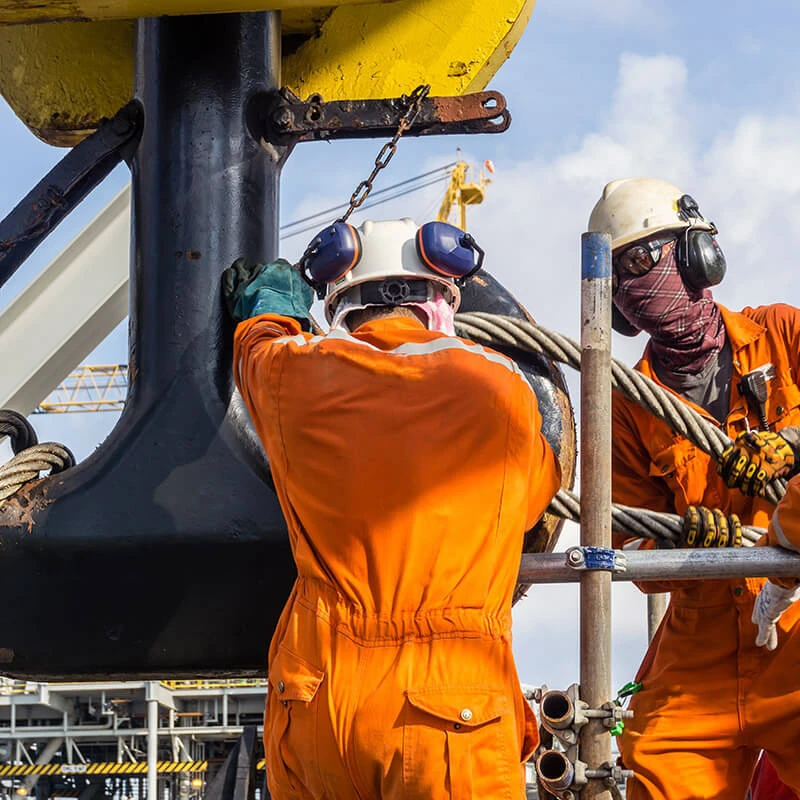
What Is the Best Sling for Lifting?
May 1st 2026
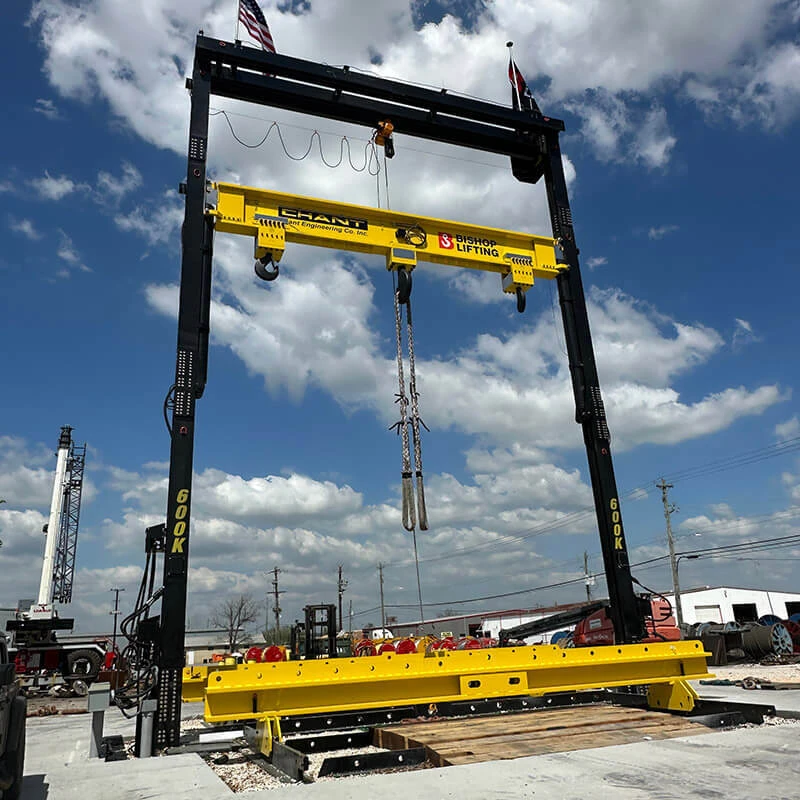
Who Has the Largest Vertical Testbed in the Rigging Industry?
Apr 27th 2026
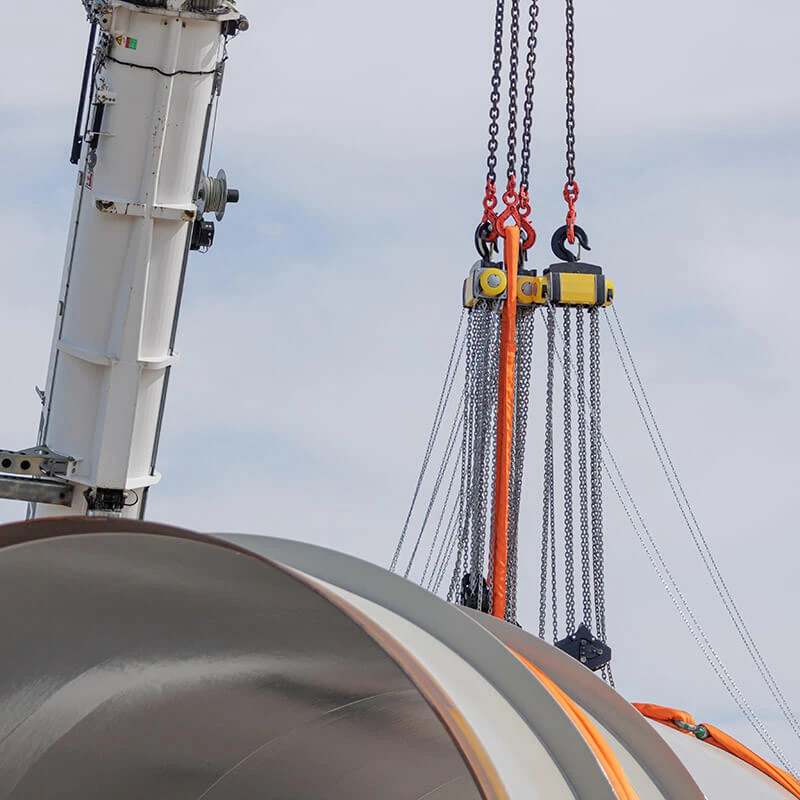
What Is Lifting and Rigging Equipment?
Apr 27th 2026
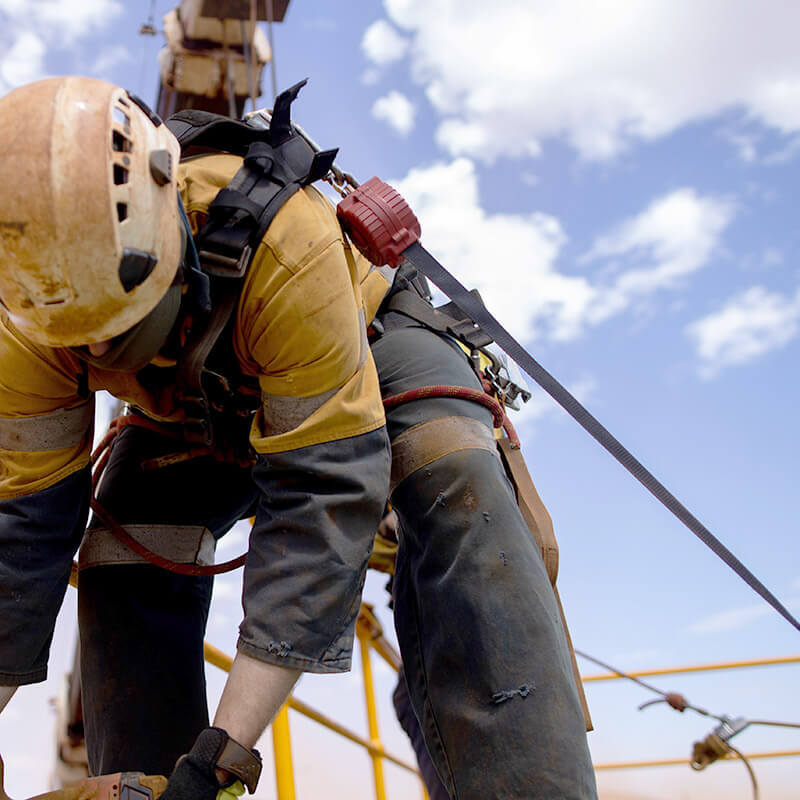
What are Self-Retracting Lifelines?
Apr 23rd 2026
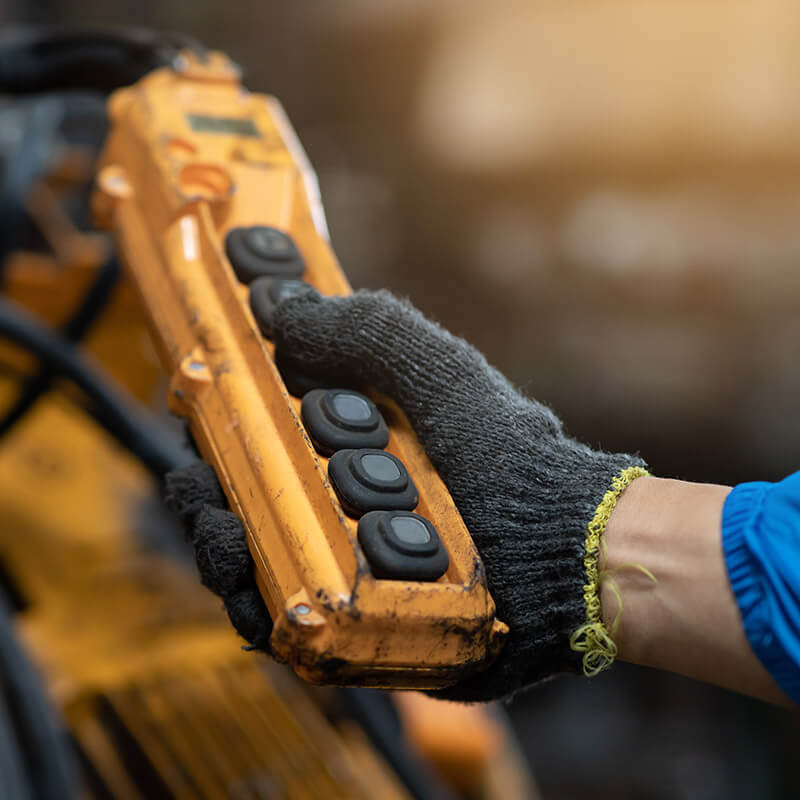
What Are the Benefits of Using an Electric Chain Hoist?
Apr 17th 2026

What Are the Different Types of Slings for Rigging?
Apr 13th 2026
What Are the Two Types of Lifting Beams?
Apr 9th 2026