


What Are the Two Types of Lifting Beams?
Apr 9th 2026
Choosing the right lifting beam is not just a matter of capacity. It affects load stability, headroom, rigging geometry, and day-to-day efficiency. For buyers evaluating below-the-hook lifting devices, understanding the two most common lifting beam configurations can make it easier to choose equipment that matches the lift, the environment, and the frequency of use.
In most buying situations, the two beam styles you will compare are fixed lifting beams and adjustable lifting beams. Both are de…
What Is an Eye Bolt Used For?
Apr 3rd 2026
Rigging Hardware Guide
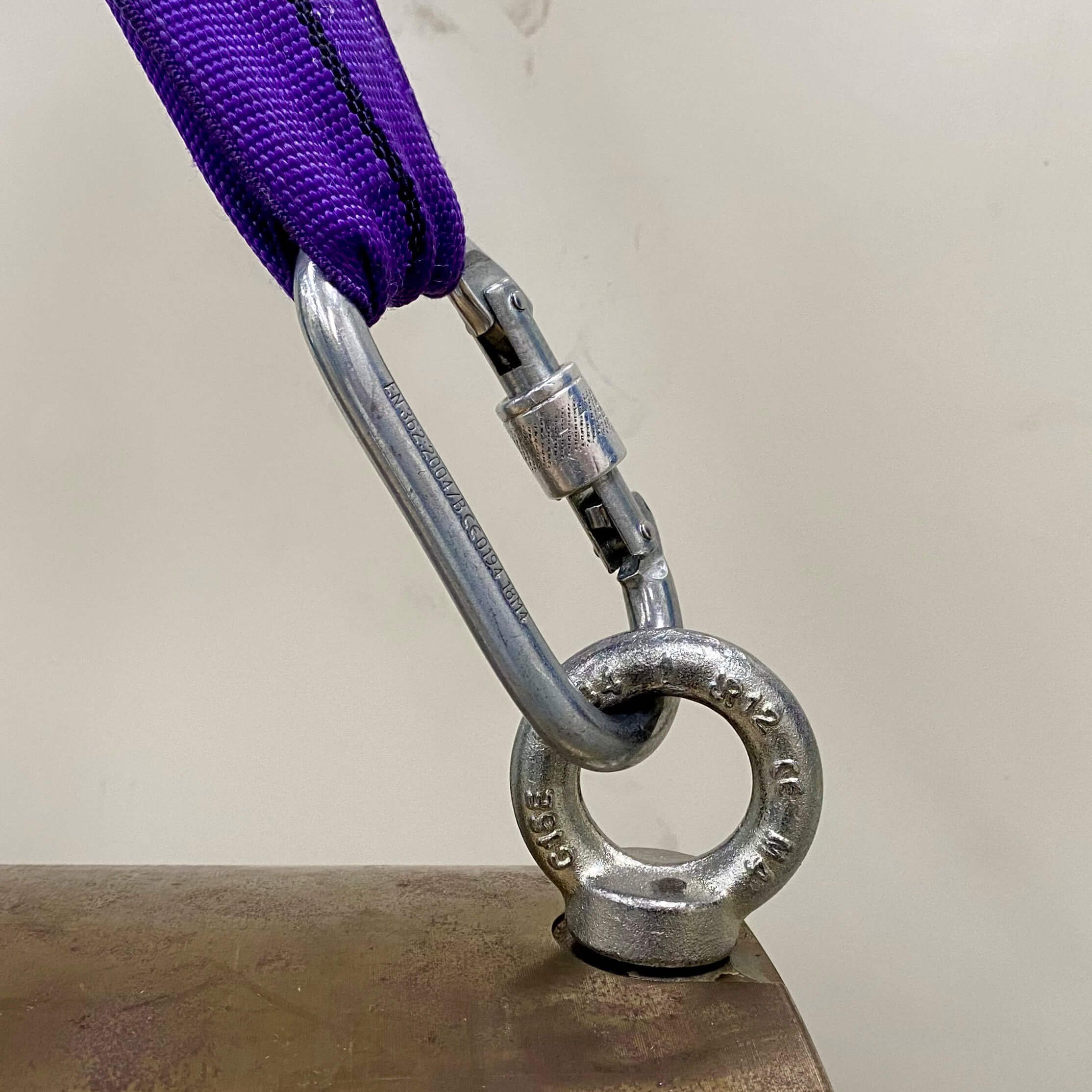
Eye bolts are used to create a secure attachment point for lifting, rigging, anchoring, and positioning loads. The right eye bolt depends on the load direction, working load limit, installation method, and environment.
Quick answer
Eye bolts are commonly used as attachment points for overhead lifting, rigging assemblies, anchors, and pull points. In lifting applications, they are often installed in machinery, fabricated components, or structural points so hooks, shackl…
What Type of Chain Is Used for Overhead Lifting?
Mar 6th 2026
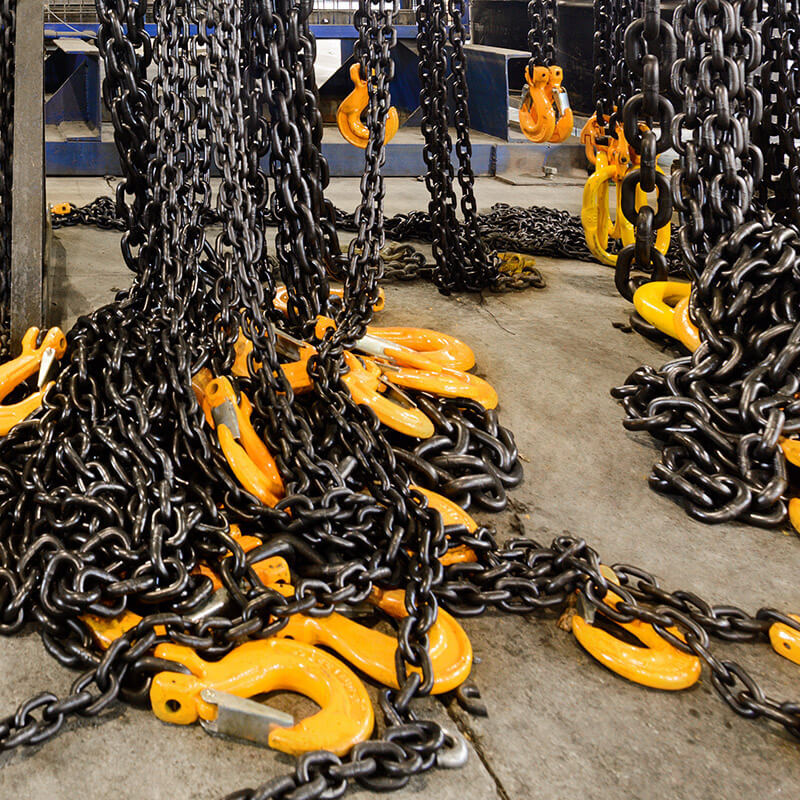
In overhead lifting, the “right chain” is not a preference—it’s a safety and compliance requirement. Only specific, lifting-certified chains are designed to handle dynamic loading, shock, fatigue, and traceability requirements found in industrial rigging.
Bottom line: For overhead lifting, use lifting-grade alloy chain in Grade 80, Grade 100, or Grade 120—or lifting-rated stainless when corrosion resistance is the priority.
Always confirm WLL, grade markings, and…
The Complete Buyer’s Guide to Overhead Cranes
Feb 13th 2026
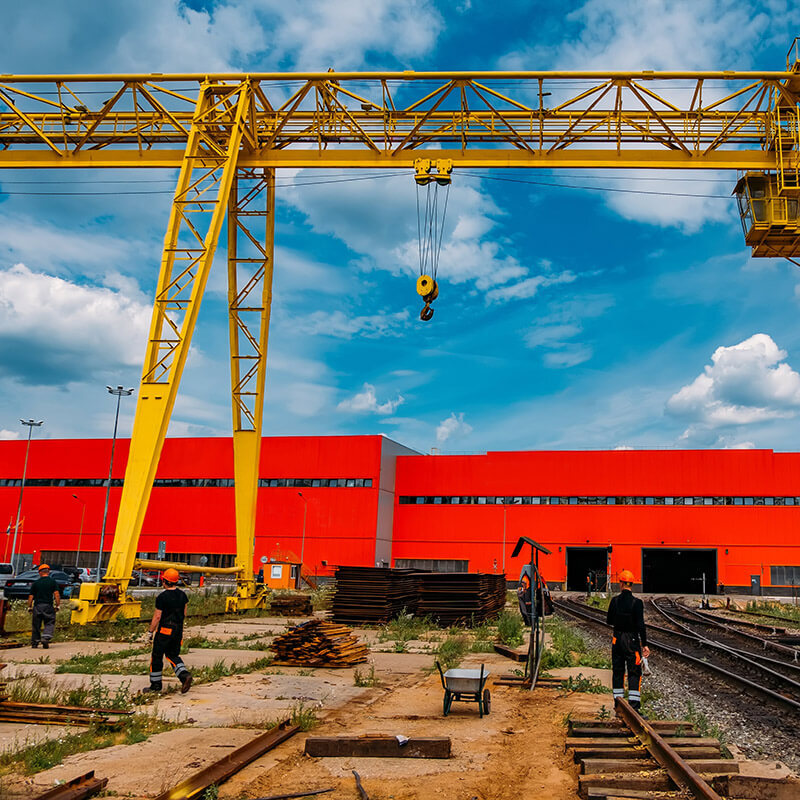
A practical, standards-minded guide for selecting an overhead crane system—and the hoist + rigging gear that makes it safe, efficient, and compliant.
Many teams use “overhead crane” to mean the complete bridge crane system (runway, bridge, trolley, controls) plus the items you buy most often—hoists, trolleys, slings, shackles, hooks, and below-the-hook devices. Lifting.com is especially strong on the equipment you spec, replace, and use every day (hoists + pullers, bea…