

What’s the Best Material for Rigging?
Dec 18th 2025
A practical guide to selecting slings, wire rope, and rigging hardware for safer lifts, fewer headaches, and better long-term value.
Quick answer:
There isn’t one “best” rigging material for every job. The right choice depends on the load, the lift method, the environment, and the connection points. Below is a fast, field-friendly way to pick the safest option.
Table of contents
- How to choose the right rigging material
- Wire rope slings: abrasion resistance & everyday lifting
- Synthetic slings: load protection & easy handling
- Alloy chain slings: heat, toughness & adjustability
- Rigging hardware: the connection points that matter
- Inspection & proof testing: reduce risk before the lift
- FAQ
How to choose the right rigging material
Start with these four selection checks. They’ll point you toward the right sling type and the right hardware—without overbuying.
1) Know the load and the lift plan
Confirm the load weight, center of gravity, and how it will be attached (vertical, choker, basket, multi-leg). Material selection gets easier when the lift method is clear.
2) Match the material to the environment
Abrasion, sharp edges, heat, chemicals, and weather can change what “best” means. For example, chain often wins in high-temp or rugged conditions, while synthetic can be ideal when protecting finished surfaces.
3) Don’t ignore the connection points
Most lift failures start at the connection: hook type, shackle selection, or a poor anchor point. Use load-rated rigging hardware and confirm compatibility (size, fit, latch style, and WLL).
4) Plan inspections and documentation
Inspection and proof testing help reduce risk and keep equipment in service longer. If you don’t have a competent person in-house, build an inspection program before the next critical lift.
Helpful reading: What are the three types of slings?
Wire rope slings: abrasion resistance & everyday lifting
Wire rope slings are a go-to choice for many general lifting applications because they balance strength, durability, and flexibility—especially where abrasion resistance matters.
Category intro: Wire Rope Slings
Need a dependable sling for daily lifting? Lifting.com offers wire rope slings designed for real jobsite abuse—ideal for construction, fabrication, and industrial handling where abrasion is common.
Shop Wire Rope Slings Buying tip:
If your rigging needs more bend/flex performance, wire rope construction matters. Use construction guidance before you standardize a sling across the fleet. Read: Which wire rope construction do you need?
Synthetic slings: load protection & easy handling
Synthetic slings are popular when you want lighter handling, surface protection, and flexibility around odd-shaped loads. They’re a strong choice for many plants and maintenance teams—especially when protecting finished or delicate surfaces is a priority.
Category intro: Web & Round Slings (Synthetic)
If your team wants slings that are easier to handle and gentler on loads, start here. Lifting.com offers synthetic sling options—including web slings and round slings—used across manufacturing, maintenance, and general material handling.
Shop Synthetic Slings Alloy chain slings: heat, toughness & adjustability
Chain slings are built for demanding environments where abrasion, rugged handling, and heat resistance are common concerns. They’re also a practical choice when adjustability and long-term durability are priorities.
Category intro: Alloy Chain Slings
For heavy-duty lifting, chain slings deliver toughness you can count on. Lifting.com offers alloy chain slings in common configurations (single-, double-, triple-, and quad-leg) built with quality components and intended for serious industrial service.
Shop Alloy Chain Slings When to consider higher-strength chain:
If you’re trying to increase capacity without changing the basic sling style, higher-grade chain options may be worth evaluating. Explore: Grade 120 Chain Slings
Rigging hardware: the connection points that matter
Slings and wire rope are only as safe as the hardware connecting them. Hardware selection should be load-rated, compatible with the sling and attachment points, and appropriate for the lift method.
Category intro: Rigging Hardware
Building a safer rigging system starts with the right connectors. Browse load-rated rigging hardware—including common essentials like hooks and shackles—so your sling selection and connection points work together correctly.
Shop Rigging Hardware Shackles
Shackles are one of the most common (and most misapplied) connectors in lifting. Proper selection comes down to fit, pin style, and WLL for the planned connection.
Category intro: Shackles
If you need a trusted connector for slings, chain, or lifting points, start with shackles. Lifting.com offers common shackle styles for general rigging and demanding jobsite use.
Shop Shackles Hooks
Hook choice affects both safety and rigging speed. Consider latch style, throat opening, and whether you need swivel capability or a self-closing design.
Category intro: Rigging Hooks
Need a more secure end connection or faster rig-up? Lifting.com stocks rigging hooks in common configurations—helpful when you’re building or maintaining chain slings and overhead lifting assemblies.
Shop Rigging Hooks Eye bolts
Eye bolts are often used as lifting/anchoring points—but correct style and installation matter. Choose a design appropriate for the direction of pull and the application.
Category intro: Eye Bolts
If you’re creating lifting points for machinery, fixtures, or anchors, browse Lifting.com’s selection of eye bolts—useful for rigging setups where dependable attachment points are critical.
Shop Eye Bolts Helpful reading: What hardware is used in rigging?
Inspection & proof testing: reduce risk before the lift
Rigging gear lives a hard life. Routine inspection and documented testing help you catch damage early, reduce downtime, and support safer lift planning.
Two quick resources:
FAQ
What are the three main types of slings?
In most lifting operations, sling types are commonly grouped into synthetic, wire rope, and chain slings. For an overview, see: What are the three types of slings?
When should I choose synthetic vs. wire rope?
Choose synthetic slings when load protection and lightweight handling are priorities. Choose wire rope slings when abrasion resistance and rugged, everyday lifting are priorities.
What’s the most common mistake in rigging material selection?
Treating the sling as the only decision. The connection points (hooks, shackles, eye bolts) and the lift method (angles, choke/basket/vertical, multi-leg balance) are equally important.
Need help selecting the right rigging gear?
Start with the category pages below—built for quick browsing and easy comparison.
Note: This article is informational and does not replace training, lift planning, or applicable standards. Always follow your site procedures and use properly rated equipment.
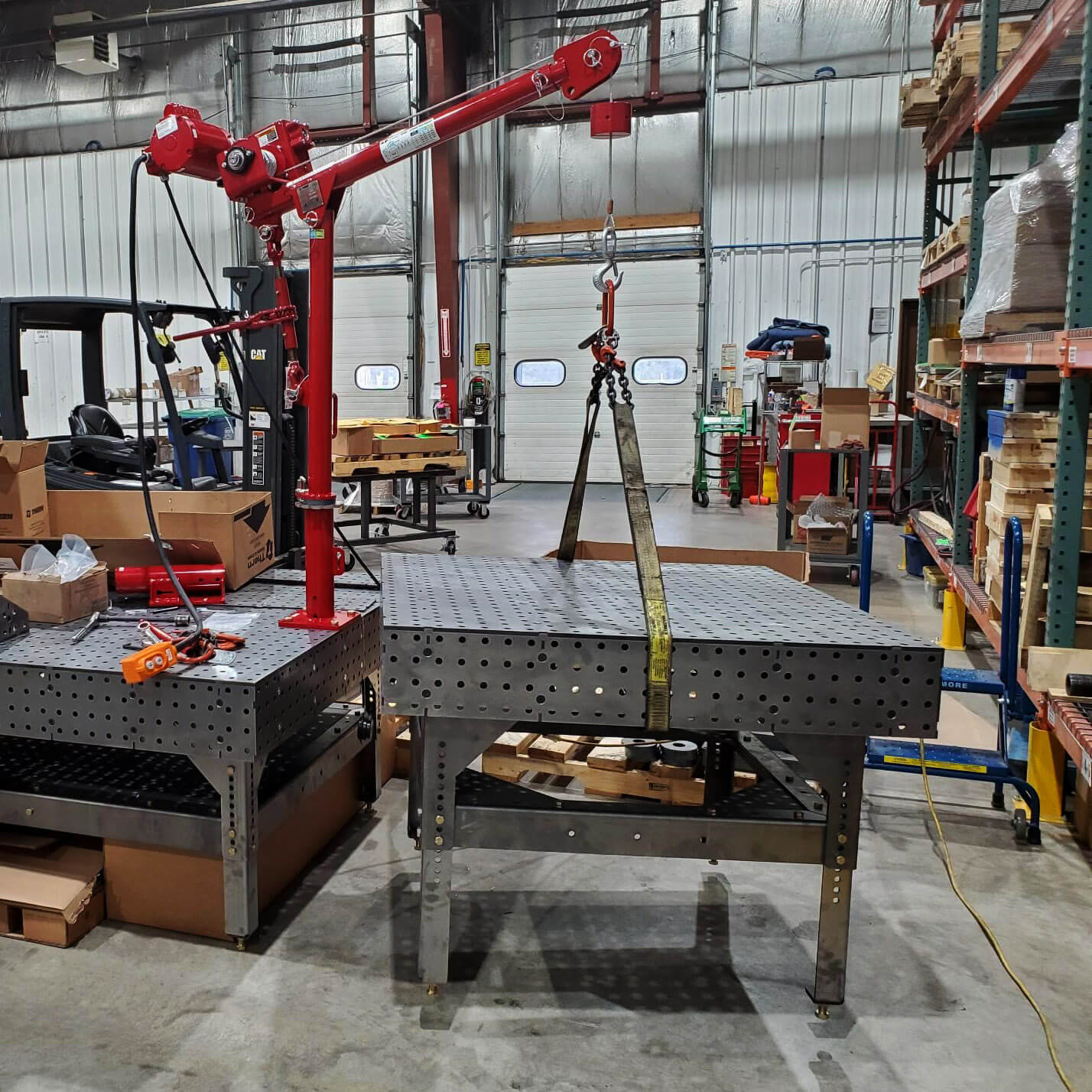
What Is the Difference Between a Gantry Crane and a Davit Crane?
Mar 13th 2026
Cranes + Winches Guide
Gantry Crane vs. Davit Crane: What’s the Difference?
Learn how gantry crane…

Do Lifting Chains Need to Be Certified?
Mar 10th 2026
Rigging Safety Guide
Understanding inspection requirements, chain grades, and how to choose liftin…

What Type of Chain Is Used for Overhead Lifting?
Mar 6th 2026
In overhead lifting, the “right chain” is not a preference—it’s a safety and compliance requirement…
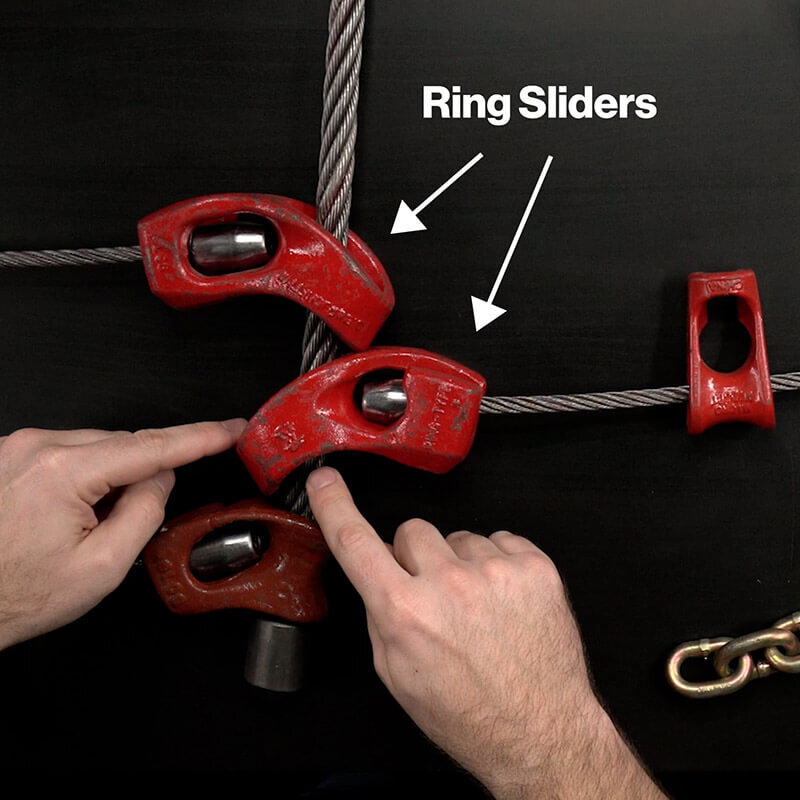
Essential Equipment Used in Logging (The Gear That Actually Moves Wood)
Mar 4th 2026
Logging • Forestry • Rigging + Load Securement
Logging operations rely on heavy machinery—but the…
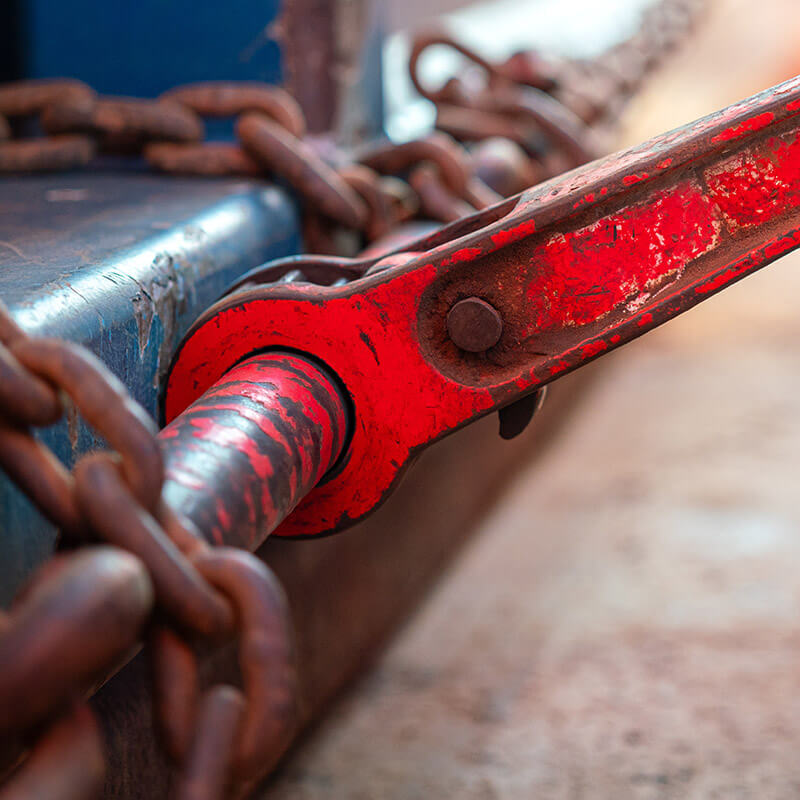
Ratchet vs. Lever Chain Binders: Which Is Better for Your Load?
Mar 2nd 2026
Load Securement • Binders + Chains • Field Guide
Choosing the right chain binder isn’t just prefer…
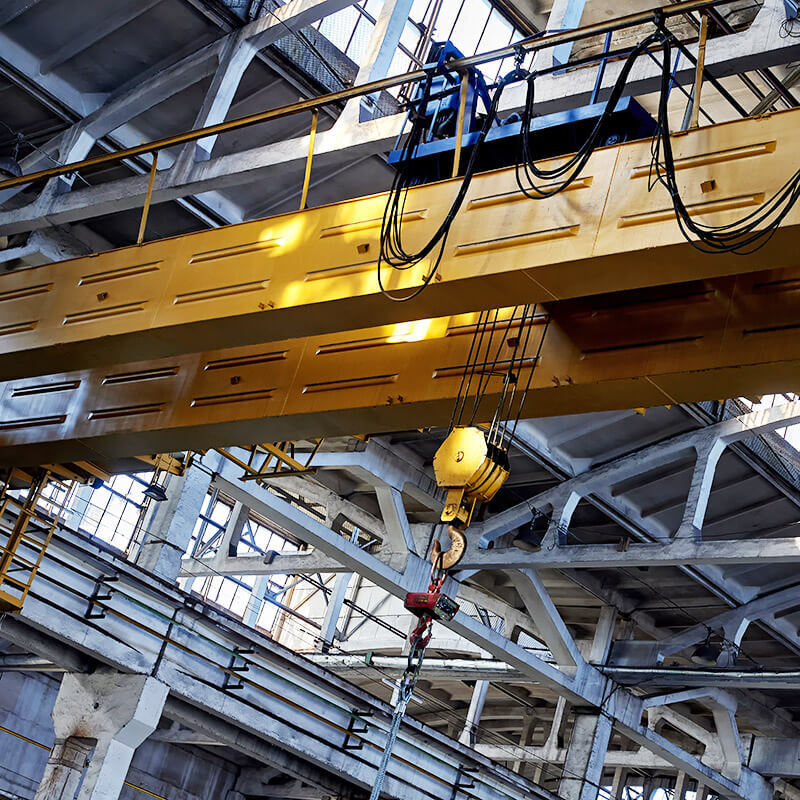
Lifting vs. Rigging Equipment: What’s the Difference (and What You Actually Need)?
Feb 24th 2026
Lifting & Rigging Fundamentals
“Lifting” and “rigging” get used interchangeably on job sites—but…
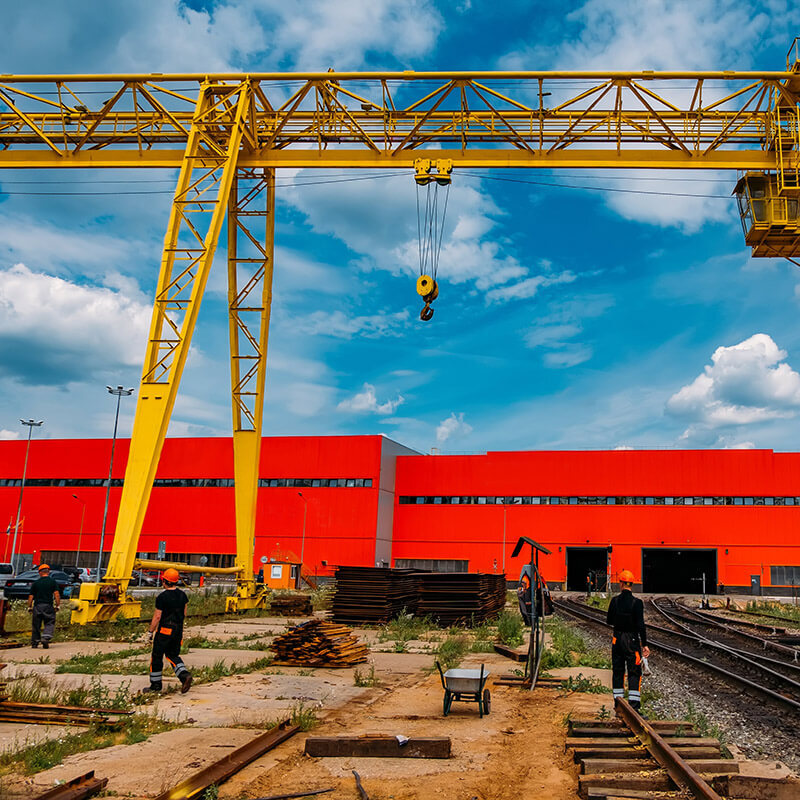
The Complete Buyer’s Guide to Overhead Cranes
Feb 13th 2026
A practical, standards-minded guide for selecting an overhead crane system—and the hoist + rigging…
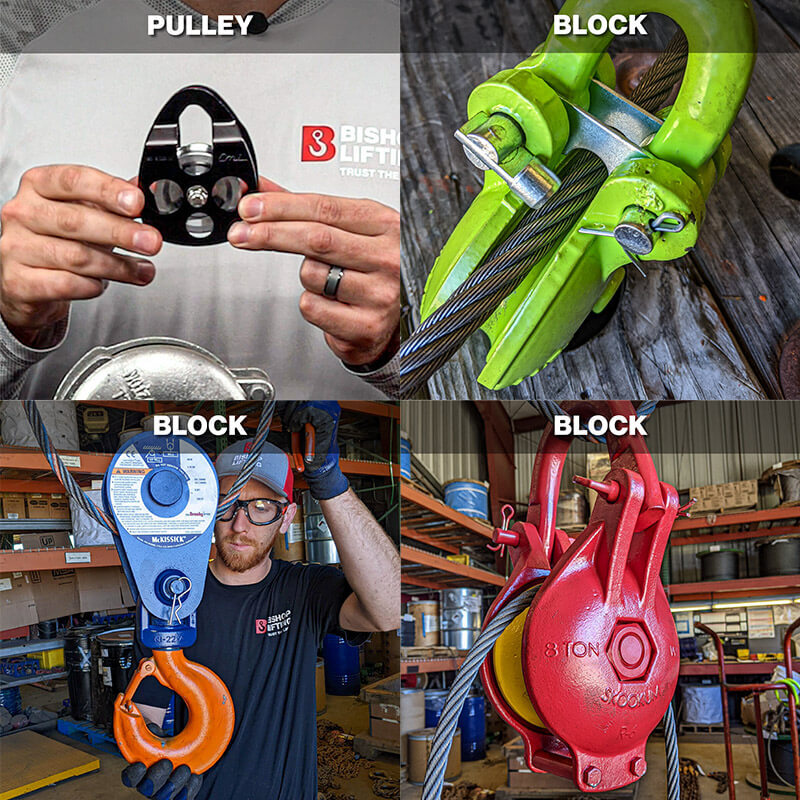
Which Pulley Can Lift Heavy Loads?
Feb 11th 2026
A Buyer’s Guide to Blocks & Snatch Blocks
If you’re lifting or pulling serious weight, you’re usua…
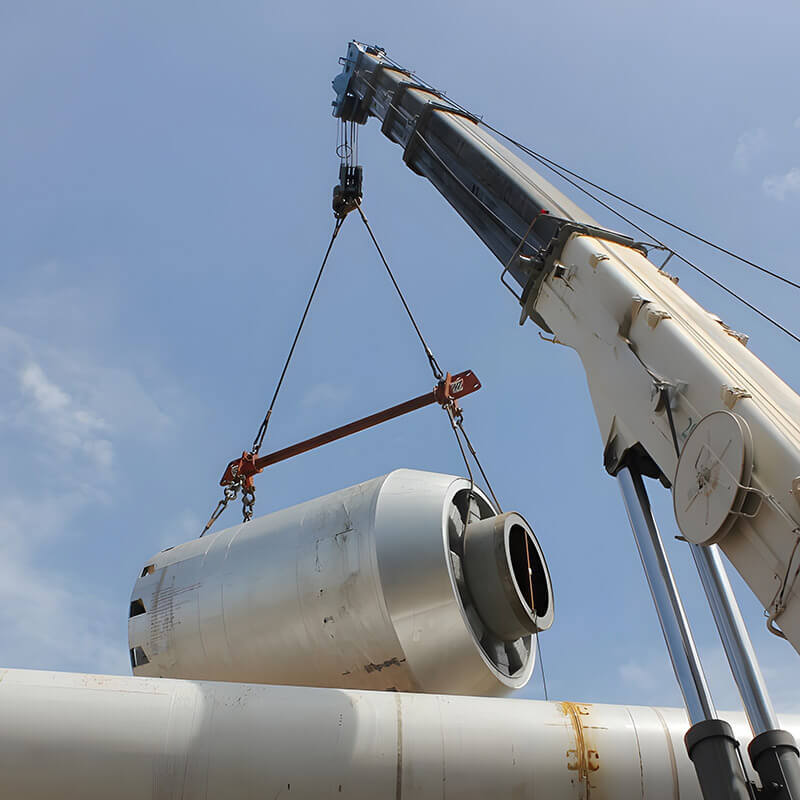
When Should a Spreader Bar Be Used for Lifting?
Feb 3rd 2026
Rigging + Below-the-Hook Devices
A spreader bar (often called a spreader beam in product catalogs)…