
RUD
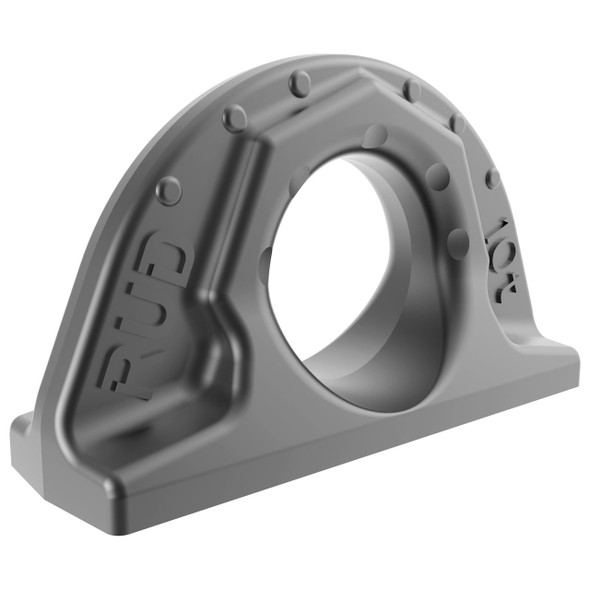
RUD 20T W-ABA Weld-On Lifting Ring



This product is rated for overhead lifting.

Earn Rewards with Loyal Lifter's Club

CA Prop 65



Product Description
RUD W-ABA Weld-On Load Ring – Heavy-Duty Weldable Lifting Point for Multi-Directional Lifting
The RUD W-ABA Weld-On Load Ring is a rugged, high-quality weldable lifting point designed for permanent attachment to machinery, fabrications, and heavy steel structures. Manufactured by RUD in Germany, this lifting point is forged from a single piece for exceptional strength, durability, and reliability in demanding lifting applications.
Unlike bolt-on lifting points, the W-ABA is welded directly to the load using a continuous circular fillet weld, creating a permanent lifting anchor with excellent corrosion resistance and structural integrity. The load ring design allows loading from multiple directions, making it ideal for fabrication shops, equipment manufacturers, heavy industry, and structural steel applications where robust and reliable lifting points are required.
The W-ABA series is available in a wide range of sizes with working load limits from 0.8 tons up to 31.5 tons. Each lifting point features clear WLL markings and patented wear indicators that help operators quickly determine when the lifting point has reached its discard criteria.
Key Features
- Heavy-duty weld-on lifting point designed for permanent attachment to steel structures
- Forged from a single piece for maximum strength and durability
- Loadable from multiple directions for flexible rigging configurations
- Working load limits from 0.8 t to 31.5 t
- Patented wear indicator markings show when replacement is required
- Continuous circular fillet weld design helps prevent crevice corrosion
- Tempered main body provides increased wear resistance
- Clear WLL markings permanently forged into the lifting point
- 4:1 safety factor for dependable lifting performance
- Manufactured by RUD, a global leader in high-performance lifting technology
• Weld-on lifting points must only be installed by qualified welders following ISO 9606-1 or AWS welding standards.
• The mounting surface must be flat, clean, and free of oil, paint, or contaminants before welding.
• Ensure the base material has sufficient strength to withstand lifting forces without deformation.
• The lifting point must be positioned to prevent unintended load movement, turning, or flipping.
• Never stand or work under a suspended load.
• Damaged, deformed, or worn lifting points must not be used.
• Inspect lifting points before each use and at least annually by a qualified person.
• Avoid jerky lifting, shock loading, and uncontrolled swinging during lifting operations.
• Do not expose lifting points to acids, alkaline chemicals, or temperatures above 400°C.
• If used as a lashing point above the WLL, the lifting point must not later be used for lifting.
Specifications
| Part Number | WLL (t) | Inside Eye mm | Overall Length mm | Overall Height mm | Welding Seam | Weight (kg) |
|---|---|---|---|---|---|---|
| 7907698 | 0.8 | 32 | 70 | 50 | a3 | 0.2 |
| 7900352 | 1.6 | 35 | 100 | 57 | a4 | 0.45 |
| 7900353 | 3.2 | 50 | 137 | 80 | a6 | 1.15 |
| 7900354 | 5 | 60 | 172 | 99 | a7 | 2.26 |
| 7900355 | 10 | 80 | 228 | 130 | a8 | 5.37 |
| 7902174 | 20 | 115 | 272 | 175 | a12 | 10.72 |
| 7902175 | 31.5 | 130 | 320 | 204 | a15 | 18.33 |
Dimensions and specifications provided by the manufacturer. Subject to technical changes.
Specifications
Related Items
Related Products


RUD
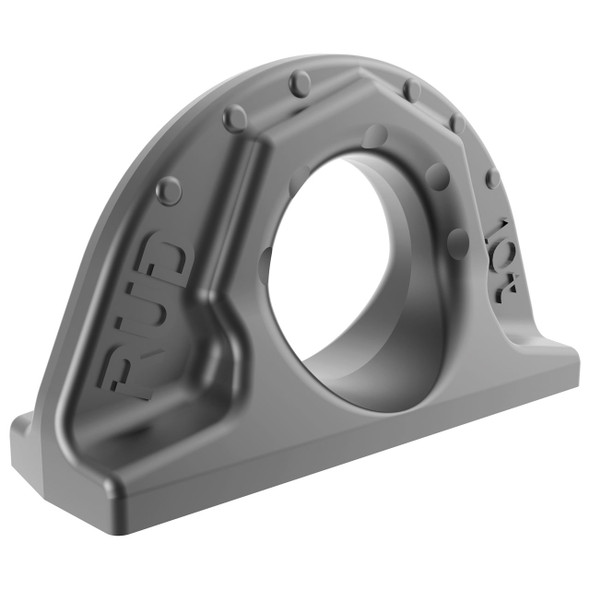
RUD 1.6T W-ABA Weld-On Lifting Ring

RUD
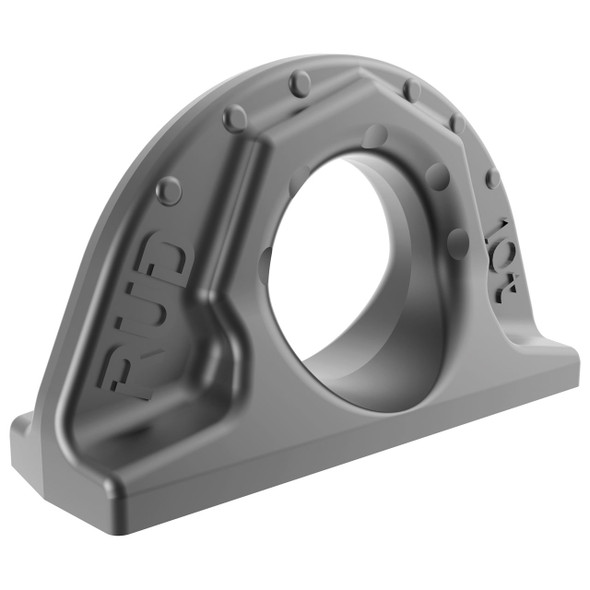
RUD 10T W-ABA Weld-On Lifting Ring

RUD
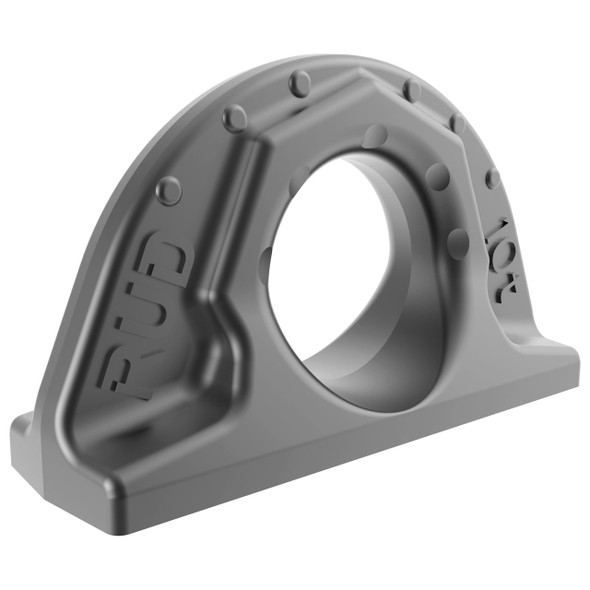
RUD 0.8T W-ABA Weld-On Lifting Ring

RUD
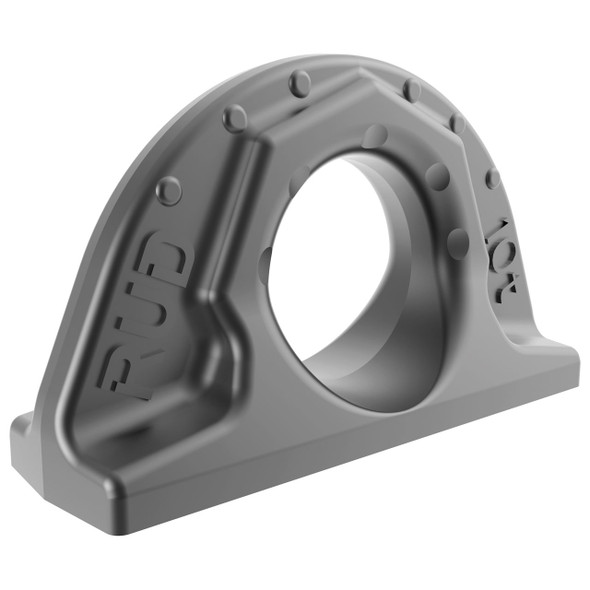
RUD 3.2T W-ABA Weld-On Lifting Ring

RUD
RUD 5T W-ABA Weld-On Lifting Ring
Safety Notice
Although Bishop Lifting strives to manufacture and sell the highest quality rigging and safety gear, use of the gear is dangerous if not used correctly by competent trained professionals. Bishop Lifting disclaims any liability resulting from the misuse of its rigging and safety gear. Please take a moment to more thoroughly review our disclaimer.
Bishop Lifting rigging and safety gear is only intended to be used by competent trained professionals. Misuse of the rigging and safety gear can result in serious injury up to and including loss of life. As such, Bishop Lifting disclaims liability for any misuse or incorrect product selection by our customers.
Rigging and safety gear purchased from Bishop Lifting should be used in strict accordance with all industry and OSHA standards. At no time should rigging or safety gear be used beyond its certified load ratings (aka Working Load Limits). Normal wear and tear should be expected with use of rigging and safety gear; therefore, all gear should be thoroughly inspected before each and every use. Worn or unsafe rigging and safety gear should never be used.