
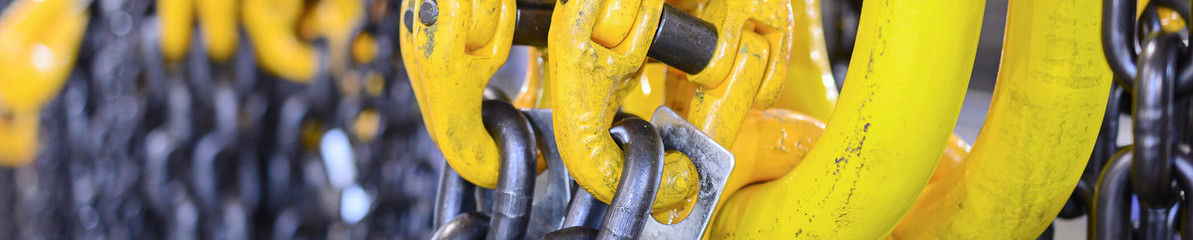
What Are the Different Types of Slings for Rigging?
Choosing the right sling is one of the most important decisions in any lifting operation. The right material improves control, protects the load, and helps crews work more safely and efficiently. The wrong choice can shorten sling life, damage valuable equipment, and increase risk on the job.
Quick Answer
In most rigging applications, slings fall into three main categories: synthetic slings, wire rope slings, and chain slings. Within synthetic slings, common options include web slings, round slings, and high-performance slings.
The best choice depends on load weight, surface sensitivity, temperature, environment, connection points, and how often the sling will be used.
Why Sling Selection Matters
Slings do more than connect a hook to a load. They influence balance, load control, surface protection, and overall rigging efficiency. A sling that performs well in a fabrication shop may be a poor fit for a foundry, port, or outdoor construction site.
Before selecting a sling, evaluate the load’s weight, shape, center of gravity, edge conditions, lifting method, and environmental exposure. You should also confirm that all rigging hardware and attachment points are properly matched to the lift plan.
The Main Types of Rigging Slings
1) Synthetic Slings
Synthetic slings are popular because they are lightweight, flexible, and easier to handle than metal slings. They are often chosen when load protection matters, especially for painted, finished, or delicate surfaces.
Common synthetic sling options include web slings, round slings, and high-performance slings. Web slings are widely used for general lifting and non-marring applications. Round slings provide flexibility and can conform well to irregular shapes. High-performance slings offer a strong strength-to-weight ratio for demanding lifts where rigging weight matters.
Synthetic slings are a strong fit for many lifting applications, but they require attention to heat, sharp edges, and chemical compatibility.
2) Wire Rope Slings
Wire rope slings are widely used in construction, marine, fabrication, and heavy industrial environments because they offer excellent strength, abrasion resistance, and long service life. They are a dependable choice for repeated lifting in rugged conditions.
These slings are commonly available in single-leg and multi-leg configurations, making them suitable for everything from straightforward vertical lifts to more complex bridle assemblies.
3) Chain Slings
Chain slings are built for severe service. They perform well in high-heat environments, handle abrasion effectively, and are often preferred when durability and adjustability are top priorities.
For steel mills, foundries, fabrication yards, and other demanding operations, chain slings are often the most practical solution. They are heavier than synthetic slings, but their toughness makes them ideal for harsh lifting conditions.
How to Choose the Right Sling
Shop Sling Categories on Lifting.com
Explore the sling types and rigging hardware most commonly used in overhead lifting, fabrication, construction, and material handling.
Shop All Slings
Start here if you want a broad view of available sling options. Lifting.com’s main sling category includes synthetic slings, wire rope slings, chain slings, high-performance slings, and sling protection for a more complete rigging setup.
Synthetic Slings
A strong choice for crews that want lighter rigging and better load protection. This category includes web slings, round slings, high-performance slings, specialty slings, and sling hardware options for versatile lifting applications.
Polyester Round Slings
A smart option when flexibility and load conformity matter. Endless polyester round slings are well suited for many general lifting tasks and can help distribute pressure more evenly around the load.
Wire Rope Slings
Built for dependable performance in tough environments. This category is ideal for buyers who need durable wire rope slings for construction, industrial lifting, and repeated use in abrasive conditions.
Chain Slings
Best for severe-duty lifting where toughness matters more than sling weight. Lifting.com offers chain slings in multiple leg configurations, plus higher-capacity options for more demanding jobs.
Shackles
Shackles are essential connection points in many sling assemblies. This category helps buyers match the right shackle style to the sling, lift geometry, and jobsite requirements.
Master Links & Rings
Master links and rings are critical for connecting chain, wire rope, and synthetic sling assemblies. This is a useful category for buyers building or replacing multi-leg sling systems and related rigging components.
Common Rigging Hardware Used with Slings
Sling selection does not stop with the sling body itself. Connection points matter just as much. Hooks, shackles, master links, and other fittings must be chosen to match the sling type, load path, and lifting method.
For multi-leg assemblies, master links and rings are especially important because they serve as the top connection point for the sling system. Shackles are also widely used to connect slings to lifting lugs, pad eyes, and other hardware safely and efficiently.
Best Practices Before Every Lift
- Confirm the sling’s working load limit is appropriate for the load and hitch.
- Check sling angles and understand how they affect leg loading.
- Inspect the sling and all hardware before use.
- Use edge protection where required.
- Match the sling material to heat, abrasion, moisture, and chemical exposure.
- Make sure the entire rigging system, not just the sling, is suited to the lift.
Related Reading on Lifting.com
What Are the Three Types of Slings?
A useful companion article for readers who want a quick overview of synthetic, wire rope, and chain slings before narrowing down the best option for a specific application.
What’s the Best Material for Rigging?
A practical next step for buyers comparing material types, service conditions, and connection points across different rigging setups.
The 3 Main Types of Shackles (and How to Choose the Right One)
Ideal for readers who already understand sling selection and want help choosing the right connection hardware for the lift.
Final Thoughts
There is no one-size-fits-all sling for every job. Synthetic slings are often the best fit for load protection and easier handling. Wire rope slings are a dependable choice for rugged, everyday lifting. Chain slings are built for severe service and demanding environments.
The right decision comes from matching the sling to the load, environment, and lift plan. When in doubt, choose products designed for the application and build the entire rigging system around safety, compatibility, and long-term performance.
Need Help Choosing the Right Sling?
Browse sling categories, compare rigging hardware, and build a safer lifting setup with products designed for real-world industrial use.
Shop Lifting Slings
What Are the Two Types of Lifting Beams?
Apr 9th 2026
What Is an Eye Bolt Used For?
Apr 3rd 2026
How to Determine Chain Binder Size
Mar 30th 2026
Is a Safety Harness Considered Fall Protection?
Mar 16th 2026
What Is the Difference Between a Gantry Crane and a Davit Crane?
Mar 13th 2026

Do Lifting Chains Need to Be Certified?
Mar 10th 2026

What Type of Chain Is Used for Overhead Lifting?
Mar 6th 2026
Essential Equipment Used in Logging (The Gear That Actually Moves Wood)
Mar 4th 2026
Ratchet vs. Lever Chain Binders: Which Is Better for Your Load?
Mar 2nd 2026