

What Type of Chain Is Used for Overhead Lifting?
In overhead lifting, the “right chain” is not a preference—it’s a safety and compliance requirement. Only specific, lifting-certified chains are designed to handle dynamic loading, shock, fatigue, and traceability requirements found in industrial rigging.
Bottom line: For overhead lifting, use lifting-grade alloy chain in Grade 80, Grade 100, or Grade 120—or lifting-rated stainless when corrosion resistance is the priority.
Always confirm WLL, grade markings, and manufacturer documentation for your exact size and configuration.
Key Takeaways
- Approved for overhead lifting: Grade 80, Grade 100, Grade 120 alloy chain (and certain lifting-rated stainless options).
- Not approved for overhead lifting: common “hardware/transport” grades (e.g., Grade 30, Grade 43, Grade 70) used for tie-down, towing, or general utility.
- Grade matters: higher grades can increase capacity without upsizing chain, which can reduce rigging weight and improve handling.
- System matters: the chain, hooks, master links, and fittings must all be compatible and rated for the intended sling assembly.
- Inspection is required: routine inspection and removal criteria protect people, loads, and equipment.
1) What Chains Are Actually Rated for Lifting?
Overhead lifting requires chain engineered specifically for lifting service. In practice, that means lifting-certified alloy chain in Grade 80, Grade 100, or Grade 120 for most industrial environments—plus specialized lifting-rated stainless chain when corrosion resistance is a must.
Lifting.com Category Link: Lifting Chain (Bulk & Cut-to-Length)
Need lifting-grade chain for sling fabrication, replacement legs, or custom builds? Shop certified lifting chain options including Grade 100, Grade 120, and lifting-rated stainless.
Grade 80 Alloy Chain (Workhorse Standard)
Grade 80 is a long-standing standard in overhead lifting—widely used for chain slings and rigging where durability and proven performance are required.
Grade 100 Alloy Chain (Higher Capacity Without Upsizing)
Grade 100 typically delivers higher working load limits than Grade 80 at the same chain size, helping you lift more without adding bulk. It’s a common choice for many modern chain sling assemblies.
Grade 120 Alloy Chain (Maximum Strength-to-Weight)
Grade 120 is selected when you need higher capacity while keeping rigging weight down—or when space constraints make upsizing impractical.
Lifting.com Category Link: Grade 120 Chain Slings
For heavy lifts where you want more capacity without adding unnecessary rigging weight, explore complete Grade 120 chain sling assemblies.
Lifting-Rated Stainless Chain (When Corrosion Resistance Matters)
In marine, chemical, washdown, wastewater, or food-adjacent environments, lifting-rated stainless chain may be appropriate. Stainless options are typically selected for corrosion resistance first, then verified for lifting rating and WLL.
2) Chains You Should NOT Use for Overhead Lifting
Many chains are strong in a straight pull, but still not approved for overhead lifting due to missing requirements like traceability, proof testing, and toughness under dynamic load. Common examples include Grade 30, Grade 43, and Grade 70 chains used for transport or general utility.
Safety note: If you’re asking “Can I lift with Grade 70?” the safe answer is No. Use lifting-certified Grade 80/100/120 (or lifting-rated stainless) instead.
Related Lifting.com Blog Post (Verified)
If your team is using transport/tie-down chain on the jobsite, share this internally—this is one of the most common (and dangerous) mix-ups.
3) Working Load Limit (WLL): The Number That Drives Selection
The Working Load Limit (WLL) is the maximum load a chain or sling assembly is designed to handle under proper use. For safe lifting:
- Never exceed the WLL stamped or tagged on the chain/sling.
- Account for sling angle, hitch type (vertical/choker/basket), and the number of legs sharing the load.
- Ensure all components (master links, hooks, connectors) are compatible and rated for the assembly.
- Use a qualified person to determine the correct configuration for complex or critical lifts.
4) Chain Slings: The Most Common “Lifting Chain” in the Field
For most crews, “lifting chain” means a chain sling assembly: lifting-grade chain combined with a master link and end fittings (hooks, grab hooks, etc.). Chain slings are favored for ruggedness, heat tolerance, and long service life when properly inspected.
Lifting.com Category Link: Alloy Chain Slings
Shop complete chain sling assemblies in Grade 80, Grade 100, and Grade 120 options—single-leg through multi-leg configurations for demanding lifting.
Common Chain Sling Configurations
- Single-leg: simple vertical lifts, machinery handling, general picks
- Two-leg: balanced loads, common structural picks
- Three-/four-leg: multi-point stability for irregular loads (requires proper leg angle and load-share calculations)
- Adjustable: built-in shortening capability to level loads and manage pick points
Related Lifting.com Blog Post (Verified)
If you’re comparing sling types on the job, this is a quick field-friendly breakdown of when chain slings make sense vs. wire rope or synthetic.
5) Hardware & Accessories: Where Safe Lifts Are Won (or Lost)
Your chain is only part of the system. A properly rated sling assembly also relies on the right hooks, master links, and other rigging hardware—selected and sized to match the chain grade and intended configuration.
Lifting.com Category Link: Rigging Hardware (All Components)
Building or repairing a rigging setup? Start here to browse shackles, hooks, master links, lifting points, and more—matched to real lifting applications.
Category Link: Rigging Hooks
Find clevis hooks, eye hooks, swivel hooks, self-closing hooks, and more—ideal for chain sling builds and general lifting connections.
Category Link: Master Links & Rings
Master links are the top connection point for chain sling assemblies. Choose the right shape and WLL for single- and multi-leg slings.
Category Link: Chain Repair Links & Couplers
Need connectors for chain systems? Browse coupling links and repair connectors—plus a critical safety reminder: broken sling legs should be replaced, not “patched.”
6) Inspection & Maintenance: Keep Lifting Gear in Service—Safely
Lifting chains and slings should be inspected before use and on a defined schedule. Remove from service if you find deformation, cracks, severe wear, stretched links, damaged hooks/latches, illegible tags, or any condition that calls the rating into question.
- Verify markings: grade + manufacturer ID should be present and legible.
- Check critical wear points: bearing surfaces, inside link wear, hook throat opening, and latch function.
- Confirm documentation: certification, proof testing, and traceability where required.
- When in doubt: remove from service and consult a qualified person.
Related Lifting.com Blog Post (Verified)
For teams aligning safety policy to regulatory language, this is a useful reference point for how OSHA defines and treats slings.
7) Quick Selection Checklist (Use This Before You Buy)
- Is it overhead lifting? If yes, use Grade 80/100/120 alloy chain (or lifting-rated stainless) only.
- What is the required WLL? Include sling angle, hitch type, and dynamic factors.
- Environment? Corrosive/washdown may justify lifting-rated stainless.
- Assembly type? Single-leg vs multi-leg vs adjustable changes component needs.
- Hardware match? Hooks, master links, and connectors must match grade and be properly rated.
Conclusion
The chain used for lifting is lifting-grade chain—most commonly Grade 80, Grade 100, or Grade 120 alloy chain, or lifting-rated stainless when corrosion resistance is required. The safest choice is always the one that meets the application’s WLL, uses compatible rated hardware, and is supported by inspection and documentation.
Recommended Next Steps
Disclaimer: This content is for general informational purposes. Always follow applicable standards, manufacturer instructions, and your company’s safety policy, and use a qualified person for lift planning and equipment selection.
Essential Equipment Used in Logging (The Gear That Actually Moves Wood)
Mar 4th 2026
Ratchet vs. Lever Chain Binders: Which Is Better for Your Load?
Mar 2nd 2026
Lifting vs. Rigging Equipment: What’s the Difference (and What You Actually Need)?
Feb 24th 2026
The Complete Buyer’s Guide to Overhead Cranes
Feb 13th 2026
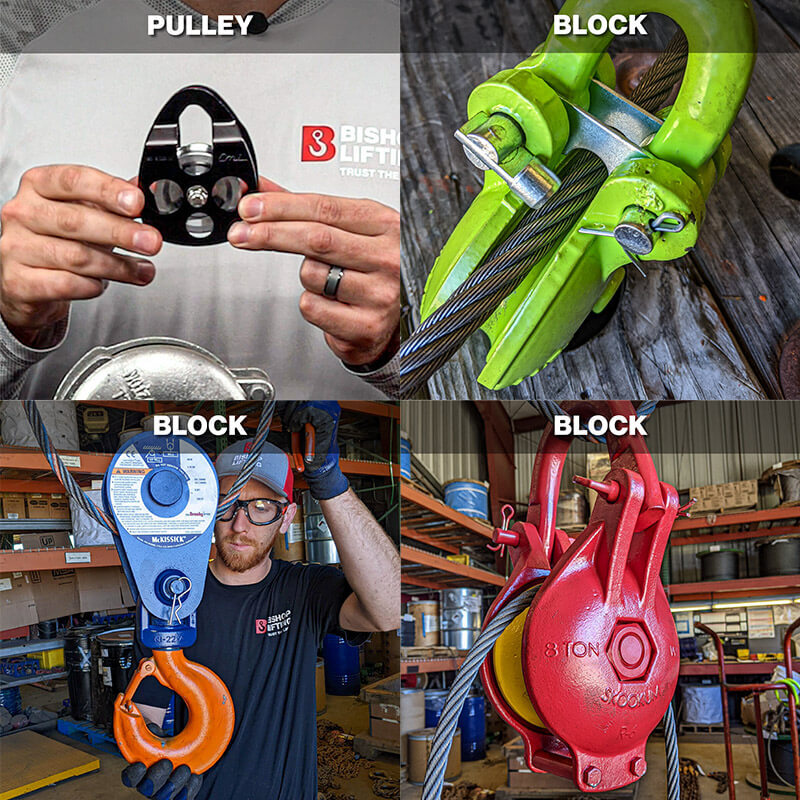
Which Pulley Can Lift Heavy Loads?
Feb 11th 2026
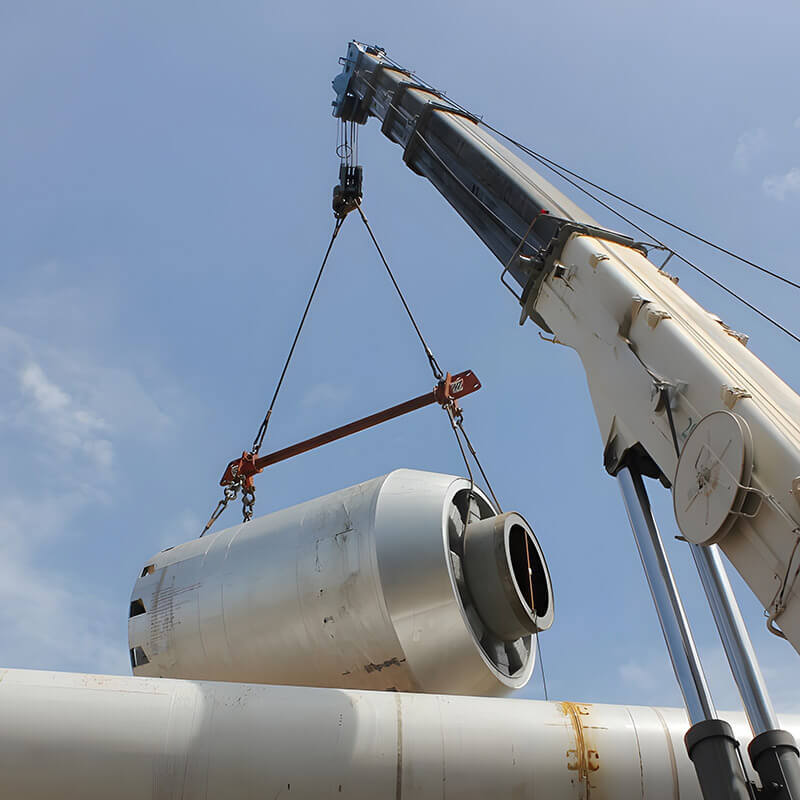
When Should a Spreader Bar Be Used for Lifting?
Feb 3rd 2026
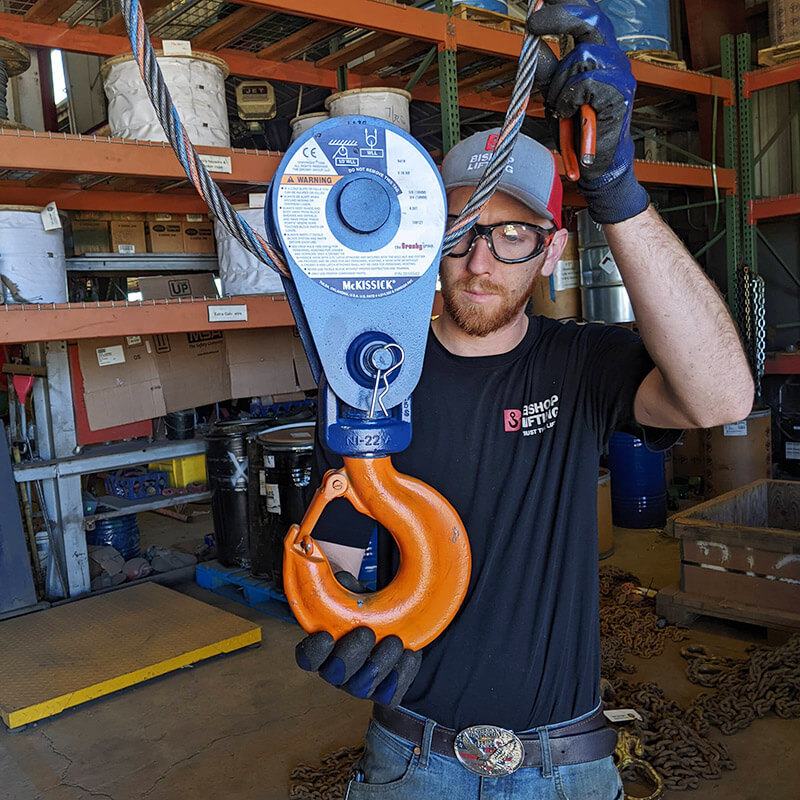
How to Use a Snatch Block Safely (Step-by-Step for Rigging & Pulling)
Jan 30th 2026
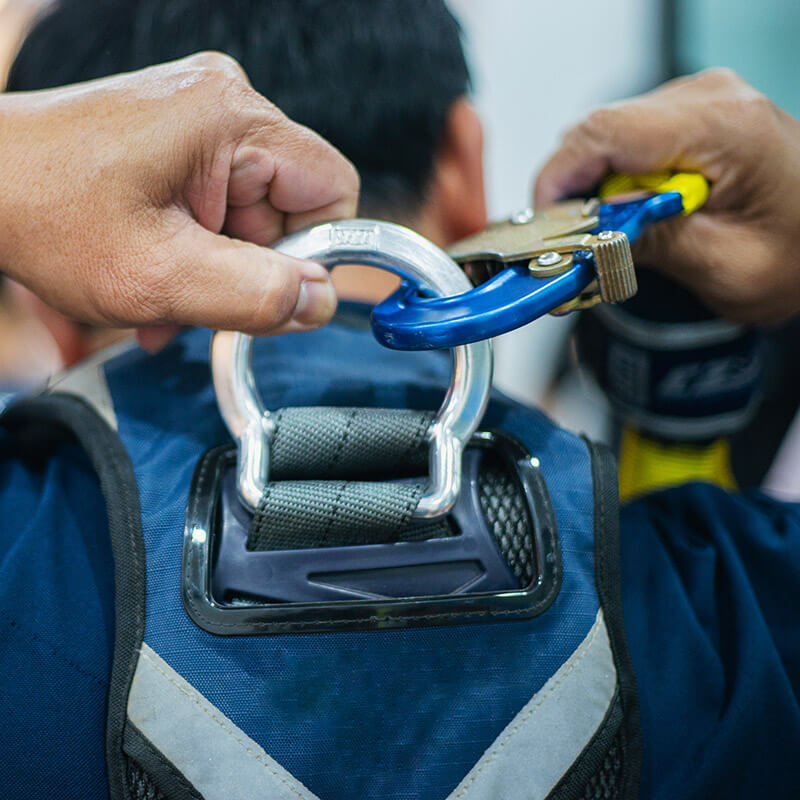
What Is the “New” OSHA Standard for Fall Protection?
Jan 27th 2026
The 3 Main Types of Shackles (and How to Choose the Right One)
Jan 19th 2026