

What Is the “New” OSHA Standard for Fall Protection?
Jan 27th 2026
(What Changed + What to Do Next)
There isn’t one single “new OSHA fall protection standard” that replaces everything—most requirements have existed for years. What’s changed recently is how OSHA has clarified and updated specific requirements (notably fixed ladder safety and PPE fit in construction) and how employers should plan, equip, and document compliance.
Fast clarity
There isn’t a single “new” fall protection rule replacing the old ones. What’s changed is how OSHA expects employers to apply existing rules—especially around fixed ladder safety system timelines, proper PPE fit in construction, and clearer expectations for planning, equipment selection, and documentation.
Jump to:
Baseline: OSHA fall protection thresholds (still the foundation)
OSHA’s overview guidance continues to cite these common trigger heights by sector: 4 ft (general industry), 5 ft (shipyards), 6 ft (construction), 8 ft (longshoring). Always confirm the specific standard that applies to your operation, but these benchmarks remain widely used for program planning and audits.
OSHA reference: Fall Protection – Overview
What changed recently (the updates employers miss)
1) Fixed ladder safety: cages are being phased out
OSHA’s Walking-Working Surfaces rule includes requirements for fixed ladders over 24 feet. Key milestones include:
- New fixed ladders (installed on/after Nov 19, 2018) generally must use a ladder safety system or personal fall arrest system (PFAS)—not a cage as the primary means of protection.
- A longer-term deadline phases out cages/wells as fall protection on all fixed ladders over 24 feet by Nov 18, 2036, requiring ladder safety or PFAS.
2) Construction PPE: explicit “proper fit” requirement (effective Jan 13, 2025)
OSHA finalized a revision to the construction PPE standard explicitly requiring that PPE properly fit affected construction workers. This matters for fall protection because harnesses, connectors, and positioning equipment must fit correctly to function as intended.
What employers should do now (practical compliance steps)
Action checklist
- Audit your working surfaces and access: identify roofs, mezzanines, platforms, ladder routes, leading edges, holes, and elevated transitions.
- Document the right standard by task: installation work may be construction; maintenance may be general industry (same site can involve both).
- Review fixed ladder inventory: plan upgrades to ladder safety systems or PFAS where required; avoid relying on cages as a “future-proof” solution.
- Verify PPE fit and sizing availability: especially harness fit/adjustability and compatibility across workers (construction requirement now explicitly calls this out).
- Confirm anchorage strategy: ensure anchor points/connectors are appropriate for the application and properly selected for the system design.
- Train + retrain: tie-off methods, rescue planning, inspection cadence, and use limits. Update training when equipment or job conditions change.
Equipment impacts: what you may need to update or add
Think in systems (not single products)
A compliant program typically requires the correct mix of: anchorage, body support (harness), connectors, and deceleration devices. If one component is mismatched, the whole system performance can degrade.
- Harnesses: ensure proper fit and correct D-ring configuration for the task (fall arrest vs. rescue vs. positioning).
- SRLs: use for improved mobility and reduced free-fall distance; confirm leading-edge rating when applicable.
- Lanyards: choose shock-absorbing types for fall arrest; consider twin-leg for 100% tie-off needs.
- Vertical lifelines + rope grabs: common for ladder and vertical movement applications.
- Rescue planning equipment: rescue and confined space gear must match your site’s retrieval plan (don’t wait until a fall happens).
Common compliance gaps (and how to fix them)
- “One harness fits all” sizing: stock multiple sizes/adjustability and verify fit during onboarding and refresher training (construction PPE fit now explicit).
- Unclear standard by task: document whether the work is construction vs. general industry; don’t assume one set of rules covers every task on site.
- No rescue plan: a fall arrest event requires timely rescue—plan equipment and responsibilities ahead of time.
- Anchorage shortcuts: avoid makeshift anchors; standardize approved anchor points and anchorage connectors.
- Fixed ladder complacency: cages are not the long-term endpoint; plan ladder safety or PFAS upgrades to meet the rule’s direction and deadlines.
Shop fall protection gear on Lifting.com (verified links)
These are direct links to live category pages on Lifting.com. Each block includes a short “what to buy for” intro to help teams select faster and convert with confidence.
Fall Protection (Shop All)
Start here if you’re building or upgrading an entire program. This hub covers harnesses, SRLs, lanyards, horizontal lifelines, rescue systems, and more.
- Best for: program audits, new site setups, standardizing brands
- Tip: shop by system component to avoid mismatches
Harnesses + Body Belts
Choose harnesses by job type (fall arrest, positioning, rescue) and D-ring layout. Proper fit matters—especially now that construction PPE “proper fit” is explicitly required.
- Best for: fall arrest setups, climbing work, positioning tasks
- Tip: stock multiple sizes and verify fit during training
Self-Retracting Lifelines (SRLs)
SRLs improve mobility and reduce free-fall distance in many common work-at-height scenarios. Confirm class/length and leading-edge rating when foot-level tie-off is possible.
- Best for: frequent movement, overhead anchorage, tight clearances
- Tip: choose cable vs. web based on environment and abrasion risk
Lanyards
Select lanyards by tie-off method and jobsite needs: shock-absorbing for fall arrest, twin-leg for 100% tie-off, and specialty hooks for structural connection points.
- Best for: fall arrest with energy absorption, rebar/structure tie-off
- Tip: confirm length to avoid excessive free-fall
Vertical Lifelines + Rope/Cable Grabs
A common solution for vertical movement: pair a compatible lifeline with the correct grab device for safe ascent/descent and reliable arrest performance.
- Best for: ladders, towers, scaffolding, vertical access routes
- Tip: confirm rope/cable compatibility and locking behavior
Horizontal Lifeline Systems
Horizontal lifelines support mobility along an elevated path while staying continuously connected—ideal for roofs, bridges, crane rails, and long work zones.
- Best for: multi-worker zones and long-span travel paths
- Tip: match the system to the number of users and span length
Fall Protection Kits
Need a fast, job-ready setup? Kits bundle core components (often harness + connector + anchor options) so crews can deploy consistent gear across teams.
- Best for: new hires, standardizing gear across jobsites
- Tip: verify kit configuration matches your anchor strategy
Fall Protection Accessories
Small add-ons can meaningfully improve safety and usability: trauma straps, tool tethers, lanyard extensions, and accessories that support emergency readiness.
- Best for: improving comfort, reducing secondary hazards
- Tip: standardize accessories by role and work environment
Confined Space Rescue
Rescue capability isn’t optional after a fall—confined space systems (tripods, winches, retrieval) support safe recovery and site readiness.
- Best for: tanks, vaults, manholes, vertical entry points
- Tip: ensure the rescue plan matches the equipment on site
Controlled Descent + Self Rescue
For scenarios where a worker may need to evacuate or be lowered safely, controlled descent and self-rescue devices support fast response and reduced suspension time.
- Best for: tower work, elevated platforms, emergency egress planning
- Tip: train teams on use—equipment alone isn’t a rescue plan
FAQ
Is there one “new OSHA fall protection standard” everyone must follow?
No—fall protection requirements vary by industry and task. What’s “new” is typically a specific update (like fixed ladder safety timelines or the construction PPE fit rule), not a single replacement standard.
Are ladder cages still allowed?
OSHA has moved away from cages as the primary means of protection on new fixed ladders and set a long-term phase-out timeline requiring ladder safety systems or PFAS for fixed ladders over 24 feet. See OSHA’s walking-working surfaces rule summary for dates and details.
What should I update first?
Start with a site audit (hazards + access routes), then verify (1) correct standard by task, (2) ladder inventory and upgrade plan, (3) PPE fit/sizing, and (4) rescue planning equipment and training.
Disclaimer: This article is for general education. Always follow applicable OSHA standards, manufacturer instructions, and site-specific safety plans. For complex applications, consult a qualified safety professional.

Do Lifting Chains Need to Be Certified?
Mar 10th 2026
Rigging Safety Guide
Understanding inspection requirements, chain grades, and how to choose liftin…

What Type of Chain Is Used for Overhead Lifting?
Mar 6th 2026
In overhead lifting, the “right chain” is not a preference—it’s a safety and compliance requirement…
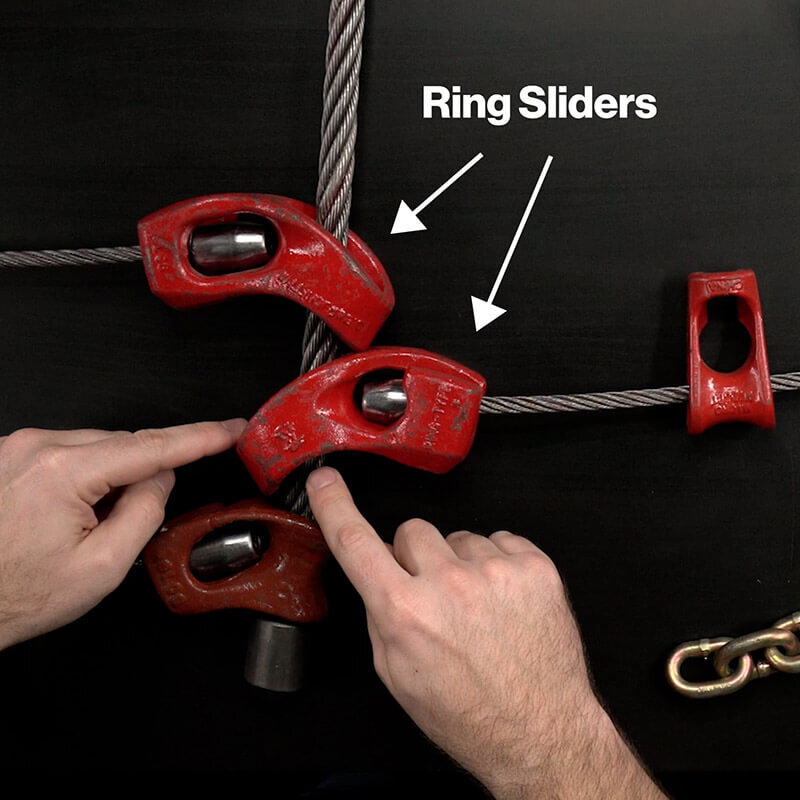
Essential Equipment Used in Logging (The Gear That Actually Moves Wood)
Mar 4th 2026
Logging • Forestry • Rigging + Load Securement
Logging operations rely on heavy machinery—but the…

Ratchet vs. Lever Chain Binders: Which Is Better for Your Load?
Mar 2nd 2026
Load Securement • Binders + Chains • Field Guide
Choosing the right chain binder isn’t just prefer…
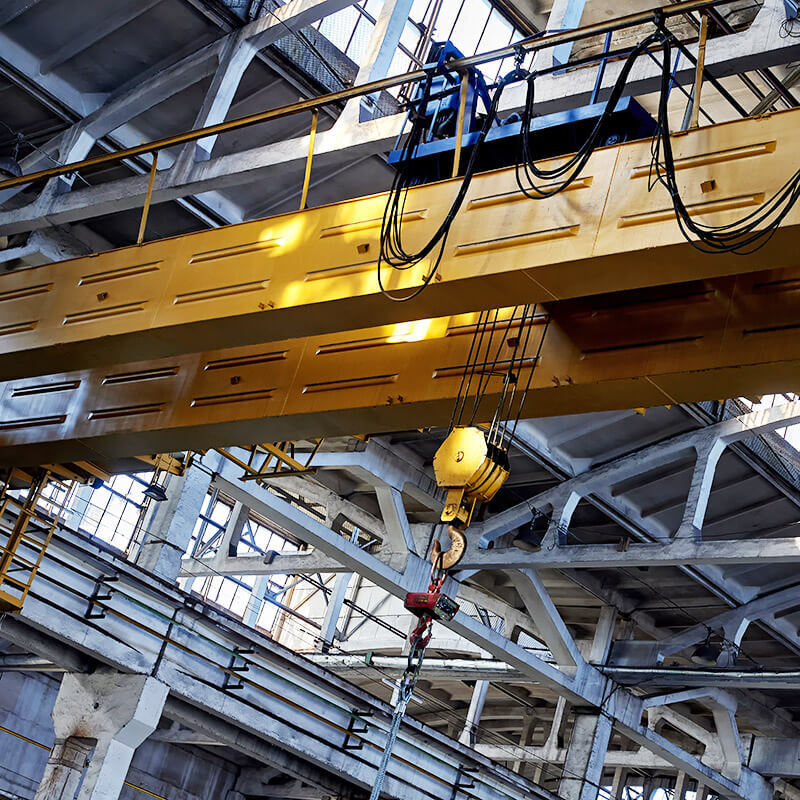
Lifting vs. Rigging Equipment: What’s the Difference (and What You Actually Need)?
Feb 24th 2026
Lifting & Rigging Fundamentals
“Lifting” and “rigging” get used interchangeably on job sites—but…
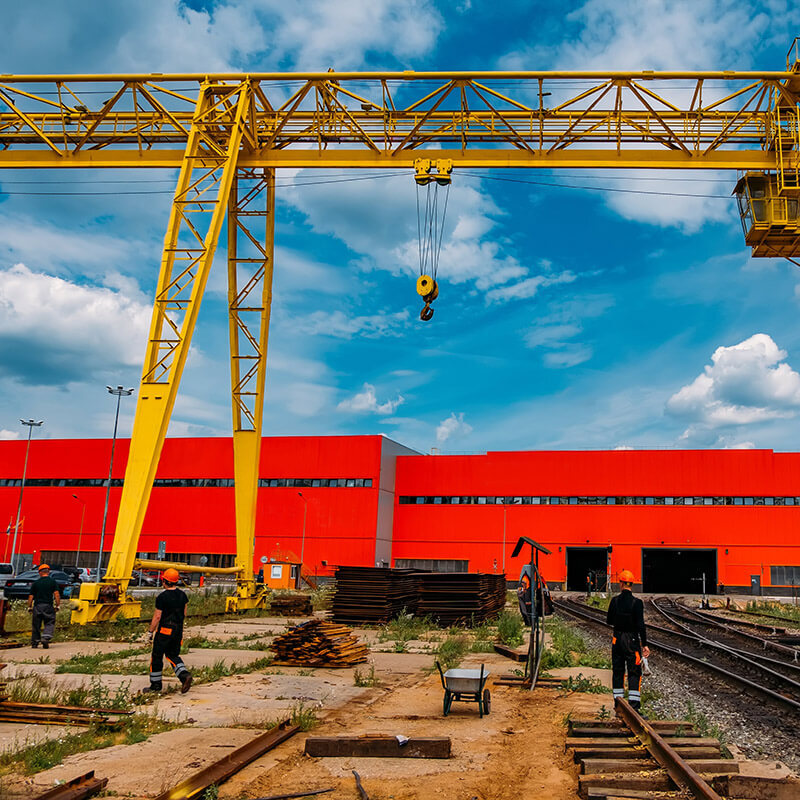
The Complete Buyer’s Guide to Overhead Cranes
Feb 13th 2026
A practical, standards-minded guide for selecting an overhead crane system—and the hoist + rigging…
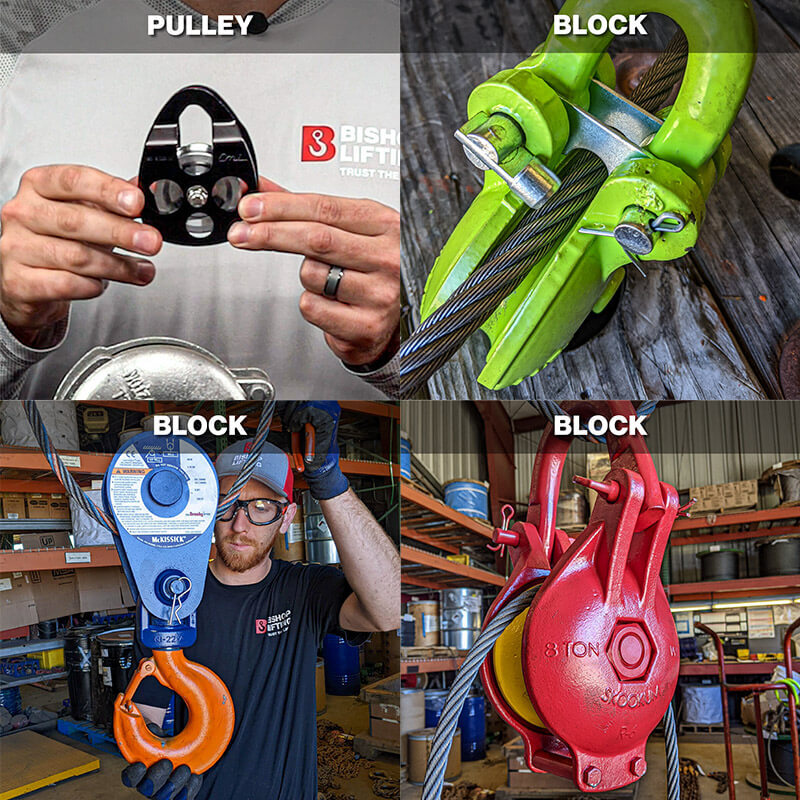
Which Pulley Can Lift Heavy Loads?
Feb 11th 2026
A Buyer’s Guide to Blocks & Snatch Blocks
If you’re lifting or pulling serious weight, you’re usua…
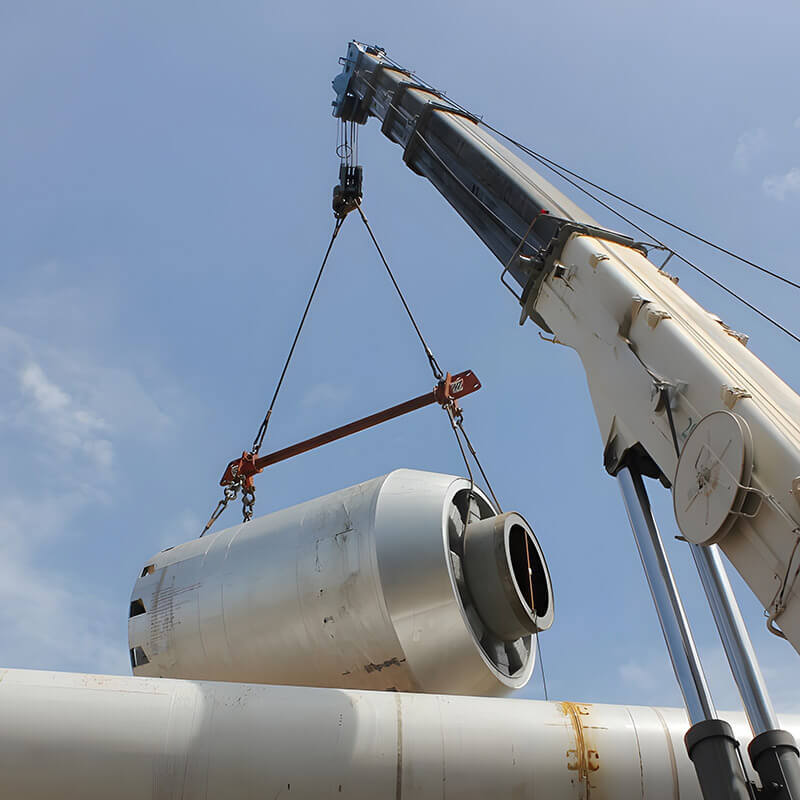
When Should a Spreader Bar Be Used for Lifting?
Feb 3rd 2026
Rigging + Below-the-Hook Devices
A spreader bar (often called a spreader beam in product catalogs)…
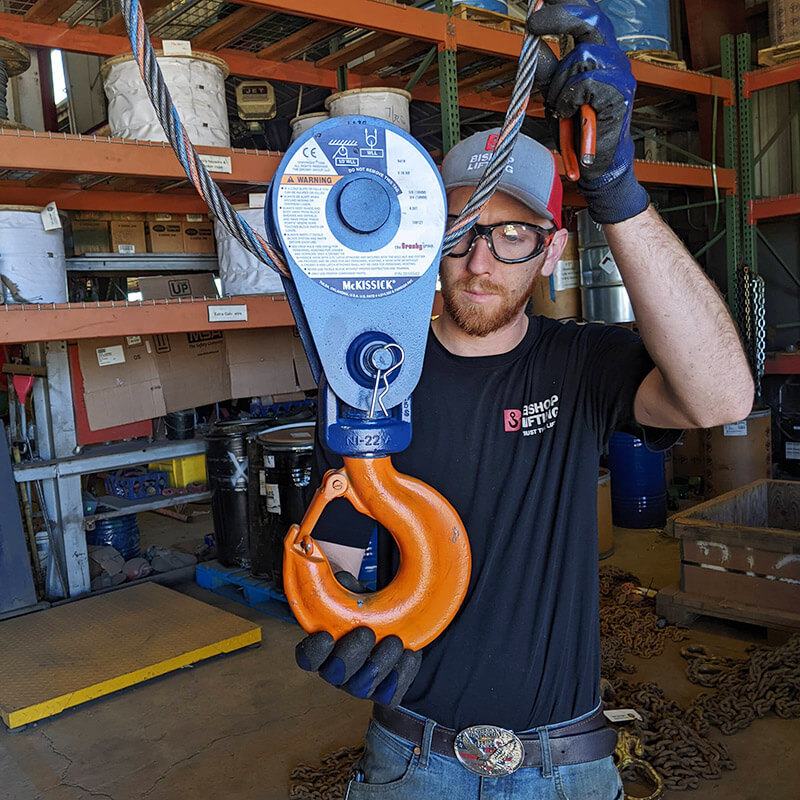
How to Use a Snatch Block Safely (Step-by-Step for Rigging & Pulling)
Jan 30th 2026
A practical, standards-minded guide for selecting and rigging a snatch block to redirect a line, i…