
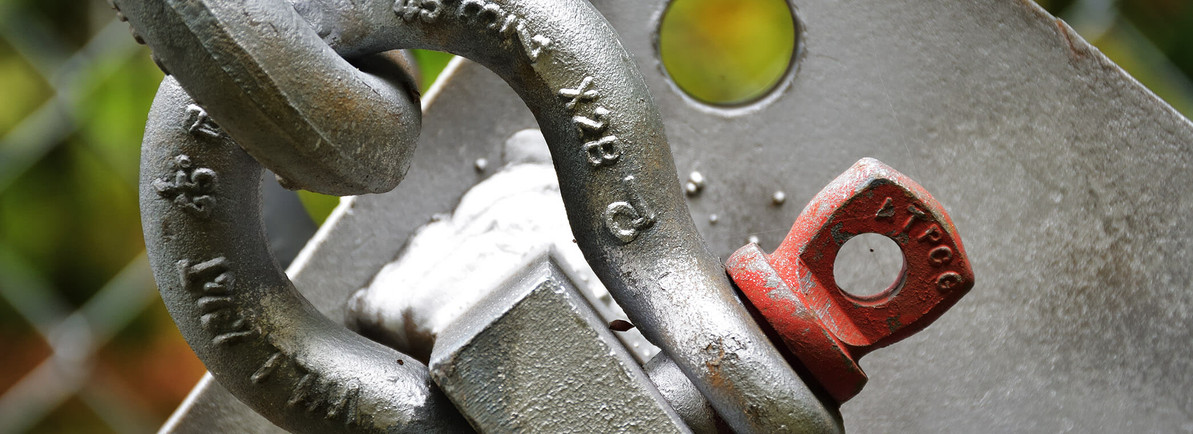
Which Shackle Is Most Commonly Used in Rigging?
Jan 5th 2026
In day-to-day lifting and rigging, the most commonly used shackle is typically the screw pin anchor shackle (often called a bow/anchor style shackle with a screw pin) because it balances versatility, speed of assembly, and load-rated performance for pick-and-place work. For in-line, straight pulls in tighter spaces, many crews also rely on straight-side/chain shackles (often referred to as D/chain shackles).
Key Takeaways
- For general rigging and pick-and-place lifts, screw pin anchor shackles are a go-to choice because they’re quick to install and versatile.
- For in-line connections where side-loading is minimized and space is limited, straight-side/chain (D) shackles are commonly used.
- Selection should focus on WLL, pin type, fit, and loading direction—not “whatever looks close.”
- If the connection is long-term, vibration-prone, or semi-permanent, consider a bolt type (nut + cotter pin) for extra security.
Understanding the Basics of Rigging Shackles
A rigging shackle is a load-rated connector used to join slings, chain, wire rope, and lifting points to the load (or to each other). In the field, shackles are often the “small part” that controls the safety margin—so the best practice is to select based on the planned load path, the working load limit (WLL), and the connection geometry.
Two Common Shackle Shapes You’ll See
- Anchor/Bow (rounded body): more room in the bow for multi-leg slings and slightly wider loading angles.
- Straight-side/Chain (D/chain style): optimized for in-line loading where you want a compact, straight pull connection.
So, Which Is the Most Commonly Used Shackle?
For most crews doing routine rigging—loading, unloading, positioning, and general pick-and-place—screw pin anchor shackles are commonly used because they’re fast, versatile, and widely available in load-rated options.
Field Note
If your shackle connection is exposed to vibration, rotation, or long-term installation where a screw pin could back out, consider stepping up to a bolt type shackle (nut + cotter pin) for added security.
How to Choose the Right Shackle (A Practical Checklist)
1) Match the Shackle to the Load Direction
- In-line load path (straight pull): straight-side/chain shackle is often a strong fit.
- Multi-leg slings or wider angles: anchor/bow shackle usually provides better geometry and clearance.
- Avoid side loading unless the shackle is specifically selected/derated for it—side loading can dramatically reduce capacity.
2) Choose the Right Pin Style
- Screw Pin: fast, convenient, ideal for frequent rigging changes and pick-and-place work.
- Bolt Type (Nut + Cotter Pin): best for semi-permanent or long-term setups and where pin security matters most.
3) Verify WLL, Markings, and Fit
- WLL: confirm the working load limit meets or exceeds the planned load (including rigging geometry and dynamic factors).
- Markings: look for manufacturer ID, size, and WLL markings that remain legible.
- Fit: never “force fit” a shackle into a point that’s too narrow; mismatched hardware can introduce bending/side load.
Shop Shackles on Lifting.com (Verified Links + Quick Buying Help)
Rigging Hardware
Building a safer rigging system starts with the right connectors. If you’re selecting shackles, hooks, turnbuckles, or lifting points, start here to keep all components compatible and load-rated.
Shop Rigging Hardware → Shackles (All Types)
Not sure where to start? Browse all shackle styles in one place—anchor/bow, straight-side/chain, specialty options, and multiple brands—then filter by size and WLL.
Browse All Shackles → Screw Pin Shackles
For pick-and-place rigging, screw pin shackles are popular because they’re quick to assemble and remove. Great for crews that reconfigure rigging frequently.
Shop Screw Pin Shackles → Bolt Type Shackles
Need extra pin security for long-term or vibration-prone setups? Bolt type shackles use a nut and cotter pin to help prevent unthreading—ideal for semi-permanent rigging.
Shop Bolt Type Shackles → Crosby Shackles
If your standard calls for a proven, widely specified brand, Crosby shackles are a common choice across construction, industrial lifting, and marine applications.
Shop Crosby Shackles → Recommended Related Reading
Conclusion
The “most commonly used” shackle in rigging is usually the one that matches everyday realities: fast setup, load-rated reliability, and versatile geometry. For many operations, that points to screw pin anchor shackles for pick-and-place work. When the connection is strictly in-line and compactness matters, straight-side/chain (D) shackles are a frequent fit. In all cases, choose based on WLL, pin security, fit, and the planned load direction—and inspect before each use.
FAQ
What is the most commonly used shackle in rigging?
For many general rigging applications, screw pin anchor shackles are among the most commonly used because they’re quick to assemble and versatile for pick-and-place work. For in-line connections in tighter spaces, straight-side/chain (D) shackles are also commonly used.
What are rigging shackles and why are they important?
Rigging shackles are load-rated connectors used to join slings, chain, wire rope, and lifting points to the load (or to each other). They’re critical because the connector often governs the safety margin—incorrect selection or misuse can lead to side loading, reduced capacity, or failure.
What are the different types of rigging shackles available?
Common types include anchor/bow shackles and straight-side/chain shackles, plus variations by pin style (screw pin vs bolt type). Specialty shackles exist for high-capacity lifts, wide-body sling connections, and unique applications.
How do you distinguish between D-shackles and bow shackles?
Straight-side/chain (D) shackles have a narrower body optimized for in-line loading. Bow/anchor shackles have a larger rounded bow that provides more room for multi-leg slings and wider connection geometry.
What are the key specifications of D-shackles?
Key specs include WLL, size (body and pin diameter), material/grade, and pin type. Because D/chain shackles are typically selected for in-line loading, proper fit and alignment are especially important to avoid side loading or bending.
How is shackle load capacity determined and why is it important?
Shackle capacity is expressed as Working Load Limit (WLL) and is determined by the shackle’s design, material, heat treatment, and applicable standards/testing. Staying within WLL helps prevent deformation or failure and supports compliance and safer lifts.
What are the strength requirements for rigging shackles?
Strength requirements depend on the standard and application, but a practical baseline is: use load-rated shackles with clear markings (manufacturer, size, WLL), select for the planned load direction, and follow inspection and removal-from-service guidance when wear, deformation, or damage is present.
What Are the Two Types of Lifting Beams?
Apr 9th 2026
Choosing the right lifting beam is not just a matter of capacity. It affects load stability, headr…
What Is an Eye Bolt Used For?
Apr 3rd 2026
Rigging Hardware Guide
Eye bolts are used to create a secure attachment point for lifting, rigging…
How to Determine Chain Binder Size
Mar 30th 2026
Selecting the correct chain binder size ensures safe cargo securement, proper tensioning, and comp…

Is a Safety Harness Considered Fall Protection?
Mar 16th 2026
Fall Protection Guide
A safety harness is one of the most important components of fall protection…
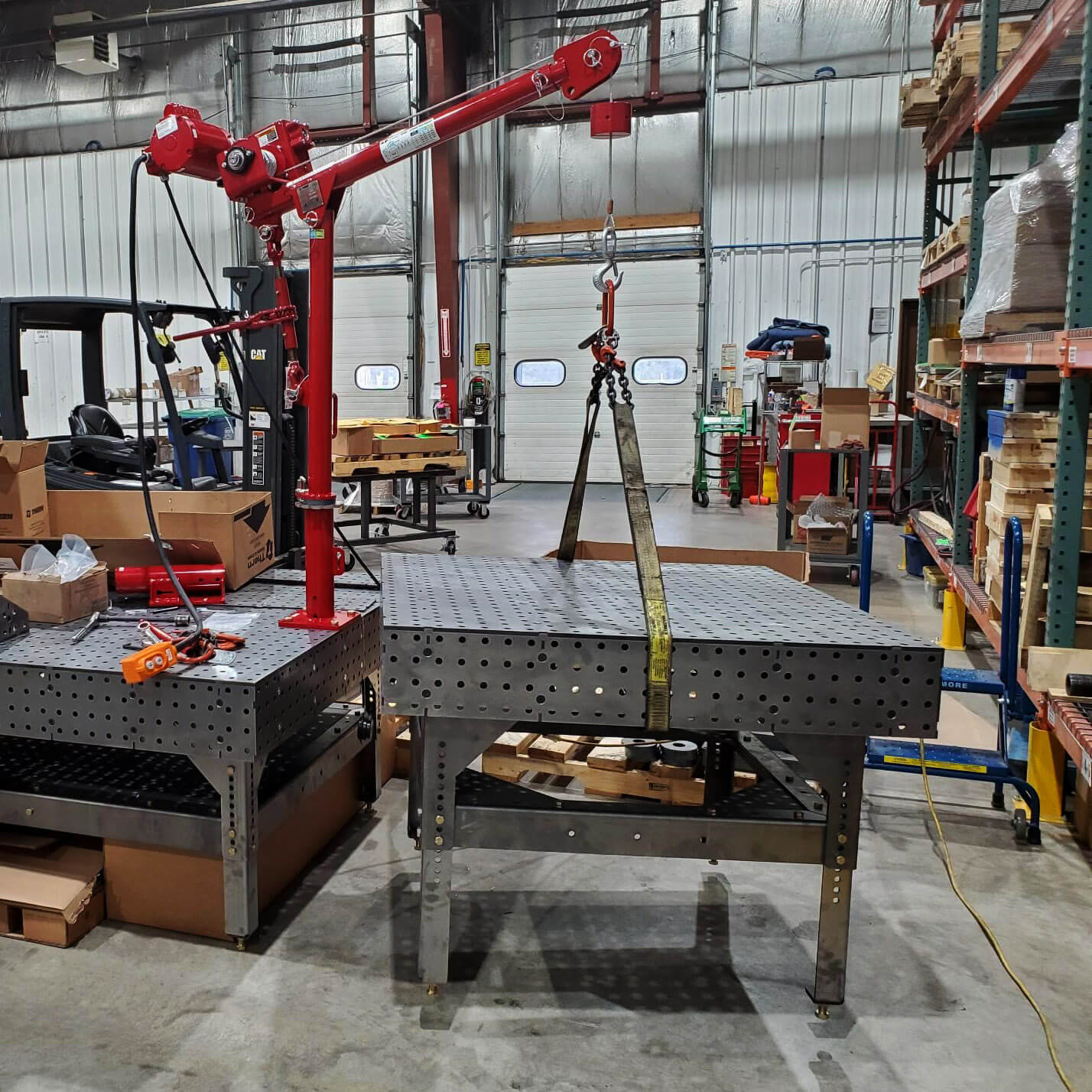
What Is the Difference Between a Gantry Crane and a Davit Crane?
Mar 13th 2026
Cranes + Winches Guide
Gantry Crane vs. Davit Crane: What’s the Difference?
Learn how gantry crane…

Do Lifting Chains Need to Be Certified?
Mar 10th 2026
Rigging Safety Guide
Understanding inspection requirements, chain grades, and how to choose liftin…

What Type of Chain Is Used for Overhead Lifting?
Mar 6th 2026
In overhead lifting, the “right chain” is not a preference—it’s a safety and compliance requirement…
Essential Equipment Used in Logging (The Gear That Actually Moves Wood)
Mar 4th 2026
Logging • Forestry • Rigging + Load Securement
Logging operations rely on heavy machinery—but the…
Ratchet vs. Lever Chain Binders: Which Is Better for Your Load?
Mar 2nd 2026
Load Securement • Binders + Chains • Field Guide
Choosing the right chain binder isn’t just prefer…