

What Type of Rope Is Best for Climbing?
Choosing the right climbing rope isn’t just a matter of preference – it’s a core safety decision. The rope you clip into determines how hard a fall feels, how smoothly you handle the line all day, and how confidently you can move on the wall, in the mountains, or in the canopy.
In this guide, we’ll walk through the key rope types, when to use dynamic vs. static lines, how diameter and length affect performance, and how to match a rope to the way you climb. We’ll also point you to proven rope options and resources from Lifting.com so you can move from research to purchase with confidence.
Dynamic vs. Static Ropes: The Big Decision
Climbing ropes fall into two main categories: dynamic and static. Understanding the difference is the foundation of choosing the right rope.
| Rope Type | Key Characteristics | Best Uses |
|---|---|---|
| Dynamic Rope | Designed to stretch under load (up to ~40% in a severe fall), reducing impact force on the climber, belayer, and protection. | Sport and trad lead climbing, top-roping, multi-pitch rock, mountaineering falls where energy absorption is critical. |
| Static / Low-Stretch Rope | Very little elongation under load; prioritizes stability, efficiency, and precise positioning rather than fall absorption. | Rappelling, hauling, rope access work, industrial and rescue applications, and many arborist climbing systems when used within proper work positioning techniques. |
For rock climbing falls, a certified single dynamic rope is the standard choice. For work-at-height, tree care, and rope access, professionals often rely on static or low-stretch kernmantle ropes that prioritize stability and control.
Shop Professional Climbing Ropes
Ready to upgrade your line? Explore our curated selection of professional-grade arborist and climbing ropes from trusted brands like Pelican Rope, Yale Cordage, Samson, and more.
Browse Climbing Rope at Lifting.comKey Rope Specs That Actually Matter
1. Diameter
Rope diameter is one of the most noticeable differences when you handle a line. Thicker ropes are more durable and easier to grip; thinner ropes are lighter and often handle more smoothly.
- 8.5–9.3 mm: Lightweight “skinny” ropes for alpine routes, long multi-pitch climbs, and advanced users who prioritize weight savings.
- 9.4–9.7 mm: Versatile all-around diameter for cragging, mixed top-rope and lead days, and many outdoor climbers.
- 9.8–10.2 mm: Workhorse ropes for gym climbing, heavy top-roping, and high-traffic routes where durability is the priority.
2. Length
For sport and trad rock climbing, 60 m ropes are the modern standard, with 70 m increasingly common on longer sport routes. For arborist and work-at-height applications, lengths are typically chosen to match tree height or work positioning needs, often in pre-cut 120 ft, 150 ft, or 200 ft options.
3. Sheath & Construction
Most modern climbing ropes use a kernmantle design, with a load-bearing core (“kern”) protected by a braided outer sheath (“mantle”). The sheath pattern and braid density directly affect:
- Handling: How smoothly the rope feeds, pays out, and knots.
- Abrasion resistance: How it holds up over repeated use across bark, rock, and hardware.
- Lifetime: How long it can be relied on under regular professional use.
4. Dry Treatments & Weather Resistance
For alpine, ice, or all-weather work, dry-treated ropes resist water absorption and contamination. A wet rope can become heavier, harder to handle, and in freezing environments, even stiff or icy. For gym or fair-weather cragging, a non-dry rope is often sufficient; for field work and harsh conditions, a treated line is worth the investment.
Match Your Rope to Your Climbing Style
Gym and Single-Pitch Rock Climbing
For gym sessions and most single-pitch sport routes, a single dynamic rope in the 9.5–9.8 mm range and 60 m length is the go-to choice. You’ll get:
- Reliable fall absorption and softer catches.
- Good durability against repeated lowers and top-rope laps.
- Manageable handling for newer belayers and climbers.
Multi-Pitch and Alpine Climbing
On long routes and in the alpine, weight, rope drag, and complex descents become more important. Climbers often choose:
- Thinner dynamic ropes (8.5–9.2 mm) for long approaches and big days, handled by experienced users.
- Half or twin rope systems for complex terrain, wandering lines, and better redundancy.
- Dry-treated lines for snow, ice, and mixed conditions.
Rappelling, Rescue, and Rope Access Work
For work where you rarely fall on the rope—but rely on it for stable positioning, controlled descent, or hauling—static kernmantle ropes shine. Their low stretch:
- Improves efficiency when ascending or hauling.
- Provides predictable rappels and work positioning.
- Reduces “bounce” when you’re operating tools at height.
Static & Kernmantle Ropes for Professional Use
Need a dependable static line for rope access, rescue, or controlled descent? Lines like the Pelican Static Master™ kernmantle ropes in our catalog are built for demanding work-at-height environments.
View Static Master Kernmantle RopeArborist Climbing and Tree Work
Arborists often use specialized climbing lines that are technically “static” or low-stretch, tuned for tree-climbing systems rather than rock falls. These ropes prioritize smooth movement in the canopy, abrasion resistance, and compatibility with mechanical devices and hardware.
If you spend your days in the trees, look for:
- Arborist-specific climbing ropes (often 16- or 24-strand constructions).
- Bright, high-visibility color patterns for clear line tracking in dense canopies.
- Factory-spliced eyes for quick, secure terminations and hardware attachment.
Ready-to-Climb Arborist Lines
For arborists who want a smooth-handling, ready-to-climb rope, Pelican Arborist-16™ and Arborist-24™ lines are available in pre-cut lengths with factory eyes. They’re engineered for day-in, day-out climbing in professional tree care.
See Pelican Arborist-16 Rope ExampleRope & Cordage: Building Out Your System
Most climbers and work-at-height professionals rely on more than just a single main line. Access lines, tag lines, pull ropes, and rigging ropes all play specific roles in a complete system. Choosing the right rope for each job means better safety, better efficiency, and less fatigue.
Explore Rope & Cordage for Every Application
From general-purpose rope to high-performance rigging lines and climbing-specific cordage, our Rope & Cordage collection is designed to support everything from weekend projects to full-time industrial work.
Shop Rope & CordageRelated Guides from the Bishop Lifting Blog
Want to go deeper on rope selection and performance? These guides from our blog expand on key topics covered here:
- What Thickness Rope for Climbing?
Learn how rope diameter affects handling, durability, and safety, and see concrete recommendations for different climbing styles. - What Are the Two Types of Kernmantle Rope?
Dive into the details of dynamic vs. static kernmantle ropes, including where each shines and how to inspect and maintain them. - What Is a Kernmantle Rope Used For?
Explore real-world applications for kernmantle ropes in climbing, rescue, and industrial work so you can match the right rope to each job. - What Type of Rope Do Arborists Use?
Focused on tree care professionals, this guide breaks down the differences between arborist climbing lines and rigging ropes. - What Rope Is Best for Rope Climb?
If you’re training rope climbs for fitness or obstacle events, this article helps you choose rope types and diameters that feel secure and perform well under load.
How Long Does a Climbing Rope Last?
A rope’s lifespan depends on how often it’s used, how hard it’s worked, and how well it’s cared for. Heavy daily use in professional environments can wear out a rope much faster than occasional weekend climbing.
- Inspect before and after every use: Look for soft spots, flat spots, fuzzed or glazed sheath areas, discoloration, or any sign of chemical exposure.
- Retire immediately after any severe fall, visible core exposure, melted sections, or if you have any doubt about its integrity.
- Store properly: Keep ropes cool, dry, out of direct sun, and away from sharp edges or contaminants.
When in doubt, err on the side of safety. Ropes are replaceable; you are not.
Quick FAQ: Choosing the Best Rope for Your Climb
Is a dynamic or static rope better for rock climbing?
For lead and top-rope rock climbing, you should use a dynamic rope. Its ability to stretch under load softens falls and reduces impact forces on the climber and protection. Static ropes should not be used as the primary line for catching falls in rock climbing.
What diameter rope is best for beginners?
Many beginners prefer a rope in the 9.8–10.2 mm range. These ropes are easy to handle, compatible with most belay devices, and robust enough to handle lots of top-rope mileage and repeated lowers.
Do arborists need special climbing ropes?
Yes. Arborist climbing lines are engineered for movement in trees, compatibility with mechanical devices, and high abrasion resistance. While they may be static or low-stretch, they’re not interchangeable with generic hardware store rope.
Where can I buy professional-grade climbing rope?
At Lifting.com, we stock a full range of climbing ropes, static lines, and rope accessories from trusted industrial and arborist brands. Whether you’re outfitting a single climber or an entire crew, you’ll find tested, proven options backed by lifting and rigging experts.
Essential Equipment Used in Logging (The Gear That Actually Moves Wood)
Mar 4th 2026
Ratchet vs. Lever Chain Binders: Which Is Better for Your Load?
Mar 2nd 2026
Lifting vs. Rigging Equipment: What’s the Difference (and What You Actually Need)?
Feb 24th 2026
The Complete Buyer’s Guide to Overhead Cranes
Feb 13th 2026
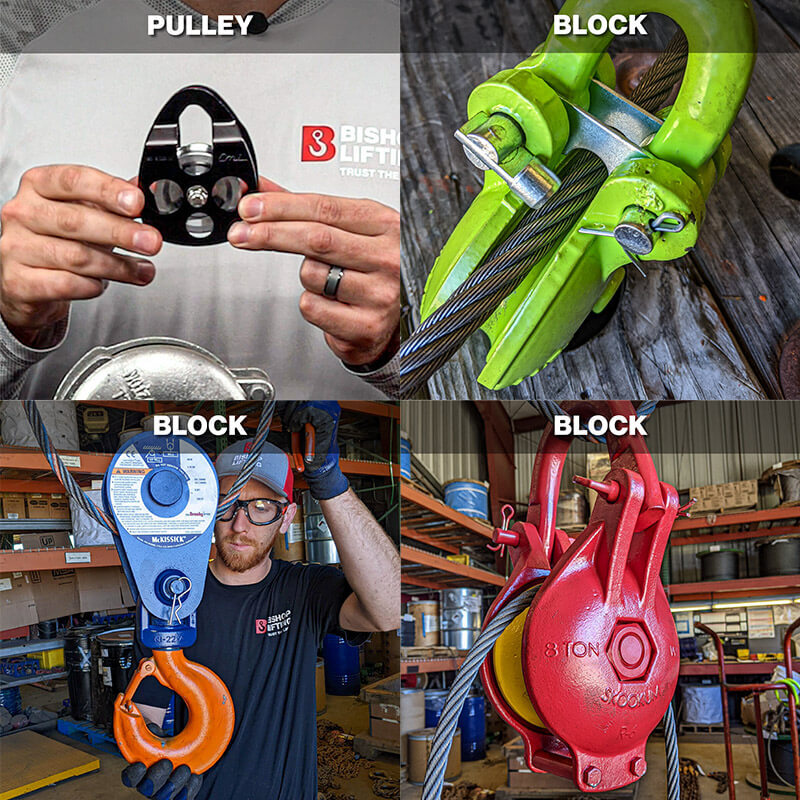
Which Pulley Can Lift Heavy Loads?
Feb 11th 2026
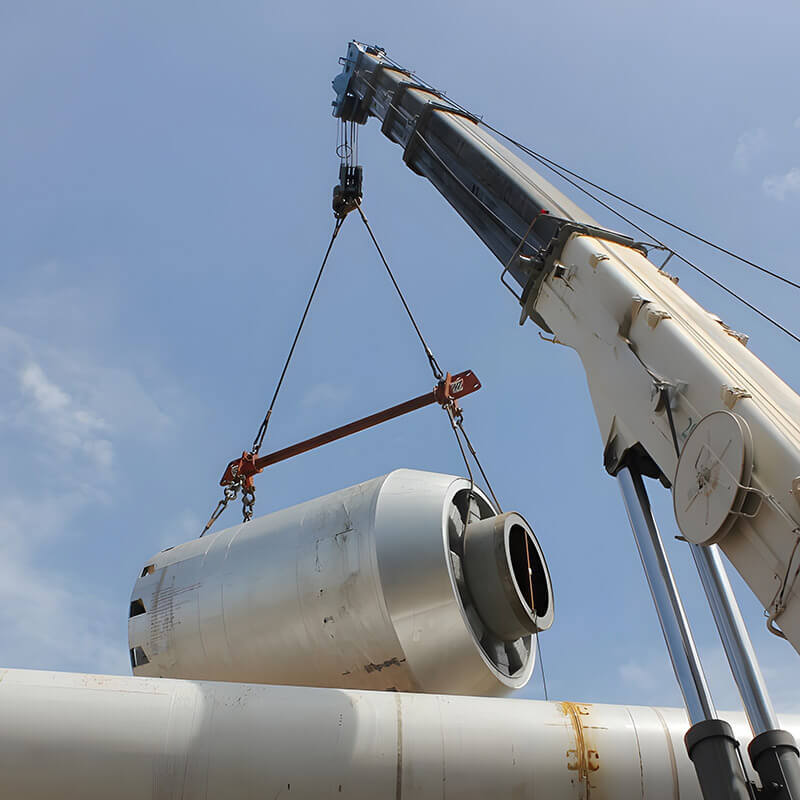
When Should a Spreader Bar Be Used for Lifting?
Feb 3rd 2026
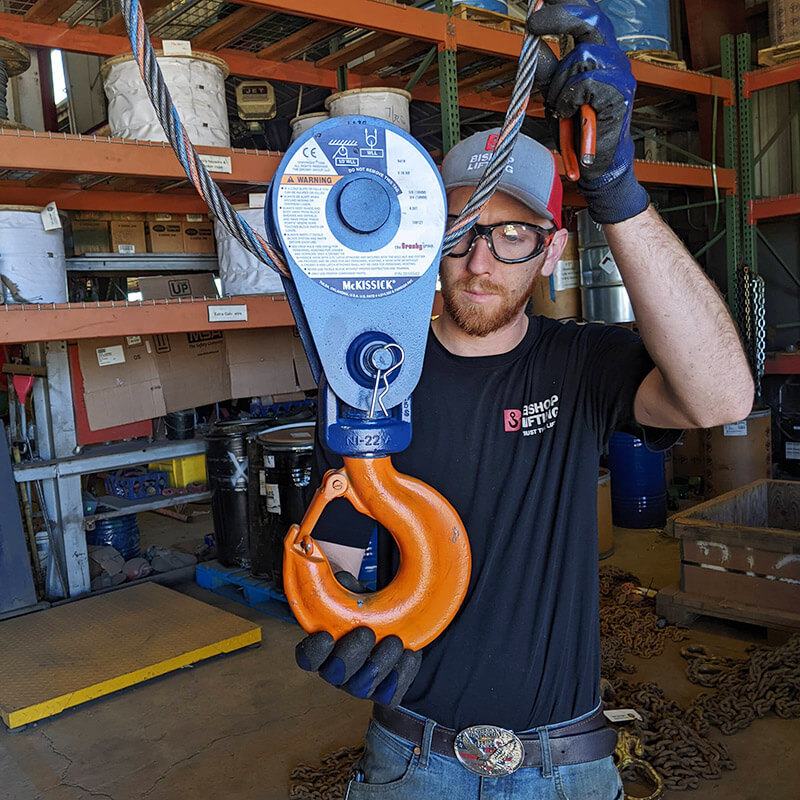
How to Use a Snatch Block Safely (Step-by-Step for Rigging & Pulling)
Jan 30th 2026
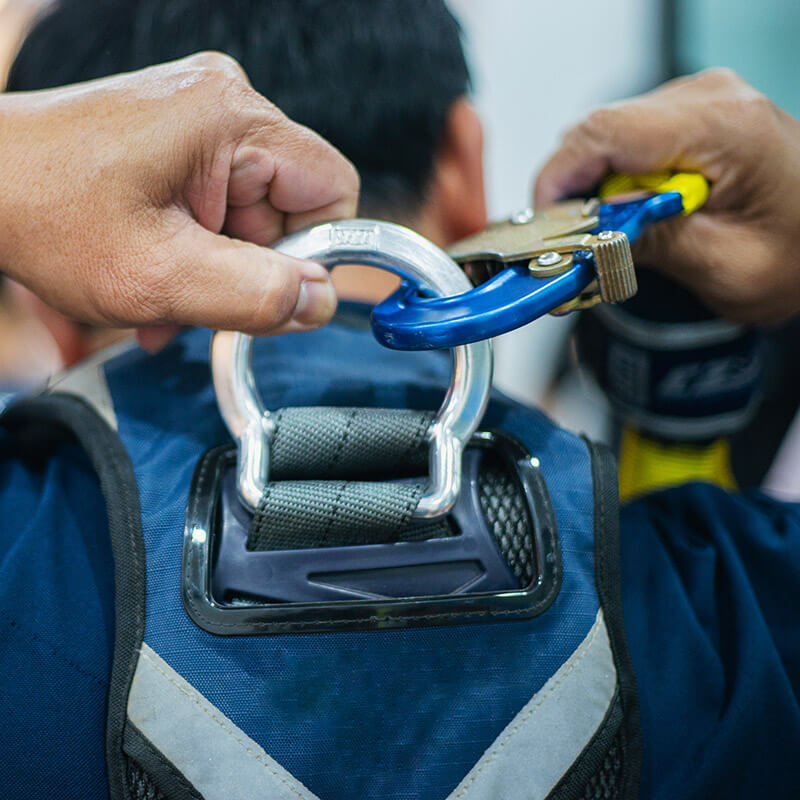
What Is the “New” OSHA Standard for Fall Protection?
Jan 27th 2026
The 3 Main Types of Shackles (and How to Choose the Right One)
Jan 19th 2026