

What Are the Different Types of Climbing Ropes?
A climbing rope is more than a piece of gear – it’s a critical safety system that protects lives and loads. Whether you’re climbing rock, working in the canopy, or accessing structures at height, choosing the right type of rope is essential for safety, efficiency, and comfort.
In this guide, we’ll walk through the main types of climbing ropes you’ll encounter: single, half, and twin ropes for technical climbing, along with static kernmantle lines and arborist-specific climbing ropes used by professionals. You’ll also find direct links to proven rope options and educational guides on Lifting.com so you can put this information to work immediately.
Overview: The Major Types of Climbing Ropes
At a high level, most climbing ropes fall into one of these categories:
- Single ropes – The all-purpose choice for many rock climbers.
- Half ropes – Versatile dual-rope systems for multi-pitch and alpine terrain.
- Twin ropes – Paired lines for high-redundancy climbing in harsh environments.
- Static kernmantle ropes – Low-stretch lines for rescue, access, and professional work at height.
- Arborist climbing ropes – Purpose-built lines for tree care professionals.
| Rope Type | Typical Use | Key Advantage |
|---|---|---|
| Single Rope | Sport, trad, and indoor rock climbing. | Simple system, easy handling, widely compatible with belay devices. |
| Half Rope | Alpine and multi-pitch routes with wandering lines. | Reduced rope drag and added redundancy against edge damage. |
| Twin Rope | Ice and mixed climbing, long alpine routes. | Two ropes used together for maximum security and long rappels. |
| Static Kernmantle Rope | Rescue, rope access, tower work, industrial climbing. | Low stretch for efficient ascent, hauling, and work positioning. |
| Arborist Climbing Rope | Tree care, canopy work, and rigging (with dedicated rigging lines). | Designed for smooth movement, visibility, and device compatibility in trees. |
Shop Rope & Cordage by Application
Not sure where your needs fit? Our Rope & Cordage category lets you browse general-purpose ropes, rigging lines, climbing ropes, and more in one place. It’s a great starting point if you’re building a complete rope system for work or climbing.
Explore Rope & Cordage at Lifting.comSingle Ropes: The All-Around Workhorse
Single ropes are marked with a “1” in a circle on their certification label and are designed to be used alone. Most single ropes for rock climbing are dynamic kernmantle ropes, meaning they stretch under load to absorb fall forces.
- Common diameters: roughly 8.9 mm to 10.5 mm.
- Best for: indoor gyms, sport routes, and many trad climbs where rope drag is manageable.
- Pros: Simple system, fast to learn, compatible with most devices.
- Watch out for: Heavier, thicker ropes can be more durable but less pleasant to drag on long pitches.
If you mostly climb single-pitch routes or train frequently in a gym, a durable single rope is the most straightforward option. For professional users, single dynamic ropes may show up in rescue kits and technical access scenarios where fall arrest is a possibility.
Dial in Your Rope Diameter
Want to understand how rope thickness affects handling, weight, and durability? Our in-depth guide breaks down when to choose skinny, mid-range, or thicker ropes for climbing and work-at-height.
Read: What Thickness Rope for Climbing?Half Ropes: Versatility and Redundancy in Complex Terrain
Half ropes (also called “double ropes”) are marked with a “½” symbol. They’re designed to be used as a pair, but unlike twin ropes, you alternate which rope you clip into each piece of protection.
- Typical diameter: around 8.0–9.0 mm per strand.
- Best for: multi-pitch routes with wandering lines, alpine climbing, and traverses.
- Key advantages: lower rope drag, better force distribution in a fall, and backup if one rope is cut or damaged.
Half ropes require more rope management skill but reward climbers with flexibility on complicated terrain. They’re less common in typical gym or crag use but very relevant to mountain professionals and guides working in complex environments.
Twin Ropes: Paired Security in Harsh Environments
Twin ropes are marked with an infinity symbol (∞). They’re also used as a pair, but both ropes are always clipped together into every piece of protection. The system behaves like a slightly thicker single rope with redundancy.
- Typical diameter: under 8 mm per strand.
- Best for: long routes in icy, mixed, or very sharp terrain where rope damage is a serious concern.
- Key advantages: excellent redundancy, full-length rappels, and relatively low weight per strand.
Twin and half ropes are more commonly seen in technical alpinism, guiding, and advanced rock/ice climbing scenarios than in everyday sport climbing. For many Lifting.com customers, the concepts are useful primarily for understanding how different rope systems manage risk and forces.
Kernmantle Ropes: Static vs. Dynamic
Most modern climbing ropes use a kernmantle construction: a load-bearing core (“kern”) surrounded by a protective braided sheath (“mantle”). Within this family, there are two main types:
- Dynamic kernmantle ropes – Designed to stretch under load and absorb fall forces. Used for rock climbing falls and some rescue systems.
- Static kernmantle ropes – Engineered for minimal stretch. Used for rope access, rescue, hauling, tower work, and many professional climbing applications.
For many industrial and professional users, static kernmantle ropes are the backbone of their vertical systems. They provide predictable handling when ascending, positioning, or moving tools and materials.
Learn More About Kernmantle Rope Types
Curious about the difference between static and dynamic kernmantle ropes and when to use each? Our detailed guide walks through construction, performance, and common use cases so you can match the right rope to your job.
Read: What Are the Two Types of Kernmantle Rope?Static Kernmantle Rope for Access & Rescue
If you spend your time on towers, in confined spaces, or performing technical access, a robust static kernmantle rope is a must. Our Static Master–style lines are purpose-built for vertical work where controlled movement—not fall absorption—is the priority.
View Static Kernmantle Rope ExampleArborist Climbing Ropes: In the Canopy All Day
Arborist climbing ropes are a specialized subset of climbing rope designed for tree care professionals. They are optimized for:
- Smooth ascents and descents using mechanical devices.
- High visibility in dense foliage.
- Durability against bark, limbs, and hardware.
Common arborist rope constructions include:
- 16-strand ropes – Often used for traditional doubled-rope systems, with a grippy feel and solid durability.
- 24-strand ropes – Smoother, more flexible, and popular for modern single-rope techniques.
- Kernmantle access lines – Static or low-stretch lines for ascent and work positioning in SRT systems.
Climbing Rope for Arborists
Our Climbing Rope category is tailored for professional arborists and vertical workers, with 12-strand, 16-strand, 24-strand, and kernmantle options from trusted brands like Yale Cordage, Samson, Pelican, All Gear, and more.
Shop Arborist & Climbing RopeExample: Ready-to-Climb Arborist Line
Prefer to buy a rope that’s ready to go out of the box? Many arborist climbing ropes are offered in pre-cut lengths with factory-spliced eyes, making it faster to set up and easier to attach hardware safely.
See a 16-Strand Arborist Rope ExampleHow to Choose the Right Rope Type
When you’re comparing climbing ropes, start with three questions:
- What environment are you working in? (Gym, crag, alpine, tree canopy, tower, industrial site.)
- What kind of forces will the rope see? (Frequent falls, static loading, hauling, shock loads.)
- What devices and hardware will you pair it with? (Belay devices, mechanical ascenders, progress capture, rigging blocks.)
From there, match your answers to the rope category:
- Indoor or sport rock climbing: A single dynamic rope.
- Alpine/multi-pitch rock or ice: Half or twin dynamic ropes.
- Rope access, rescue, or tower work: Static kernmantle rope.
- Professional tree care: Arborist-specific climbing rope with the right construction for your climbing system.
Deep Dive: What Is a Kernmantle Rope Used For?
For a more detailed look at how kernmantle ropes are used in climbing, rescue, and industrial work, this article explores specific applications and system examples so you can design your rope setup with confidence.
Read: What Is a Kernmantle Rope Used For?Related Guides from the Bishop Lifting Blog
Want to take your rope knowledge a step further? These articles expand on specific rope types and use cases:
What Thickness Rope for Climbing?
A practical guide to rope diameters—how thickness affects handling, durability, and safety, and which sizes match different climbing styles.
What Are the Two Types of Kernmantle Rope?
Breaks down static vs. dynamic kernmantle ropes, their construction differences, and when each is the correct choice.
What Type of Rope Do Arborists Use?
Focused on professional tree climbers, this guide compares arborist climbing lines and rigging ropes and explains how to select the right one for each task in the canopy.
What Is the Safest Device to Use When Climbing a Tree?
Looks beyond rope to the full safety system—saddles, helmets, ascenders, and more—so arborists can build a complete, safe climbing kit.
Quick FAQ: Choosing Between Different Climbing Ropes
What is the main difference between dynamic and static ropes?
Dynamic ropes stretch under load to absorb fall forces and are used where falls are possible. Static ropes have very low stretch and are used for access, positioning, hauling, and rescue—not for catching lead falls.
When should I use half or twin ropes instead of a single rope?
Half and twin ropes are useful on long multi-pitch, alpine, or ice routes where you want reduced rope drag, redundancy, and full-length rappels. For most indoor and single-pitch climbing, a single rope is simpler and more than sufficient.
Do arborists use the same ropes as rock climbers?
Not usually. Arborists rely on ropes engineered specifically for tree work—often static or low-stretch lines with constructions and diameters optimized for climbing systems, mechanical devices, and heavy daily use in the canopy.
Where should I start if I’m building a rope system for work?
Begin by defining your tasks (climbing, positioning, hauling, rigging), then choose the appropriate rope type—dynamic, static, or arborist-specific—and pair it with compatible hardware. Our Rope & Cordage and Climbing Rope categories are designed to help you build a complete, compatible system from trusted brands.

What Type of Chain Is Used for Overhead Lifting?
Mar 6th 2026
Essential Equipment Used in Logging (The Gear That Actually Moves Wood)
Mar 4th 2026

Ratchet vs. Lever Chain Binders: Which Is Better for Your Load?
Mar 2nd 2026
Lifting vs. Rigging Equipment: What’s the Difference (and What You Actually Need)?
Feb 24th 2026
The Complete Buyer’s Guide to Overhead Cranes
Feb 13th 2026
Which Pulley Can Lift Heavy Loads?
Feb 11th 2026
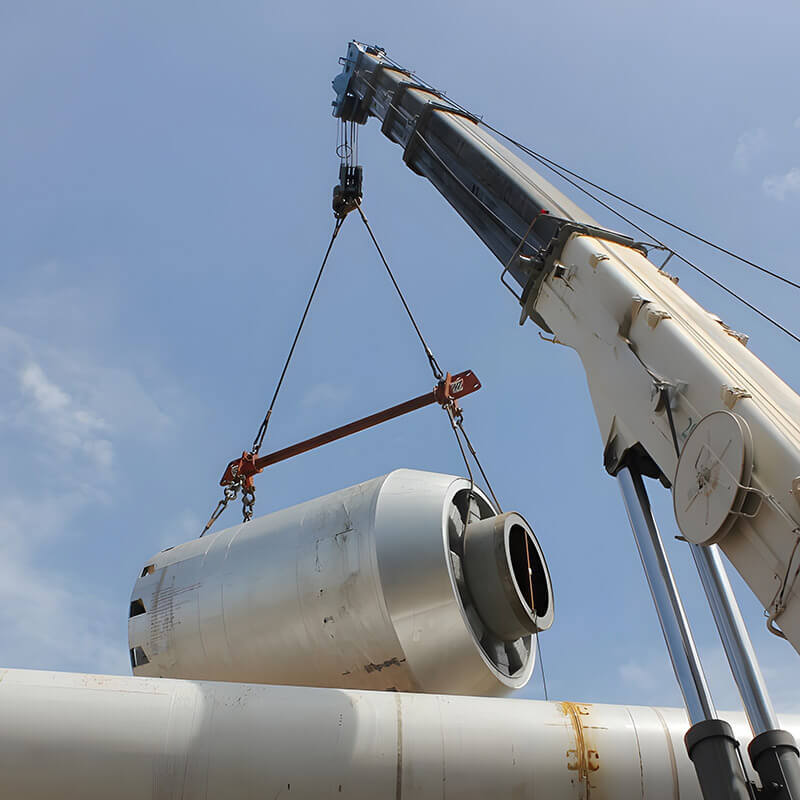
When Should a Spreader Bar Be Used for Lifting?
Feb 3rd 2026
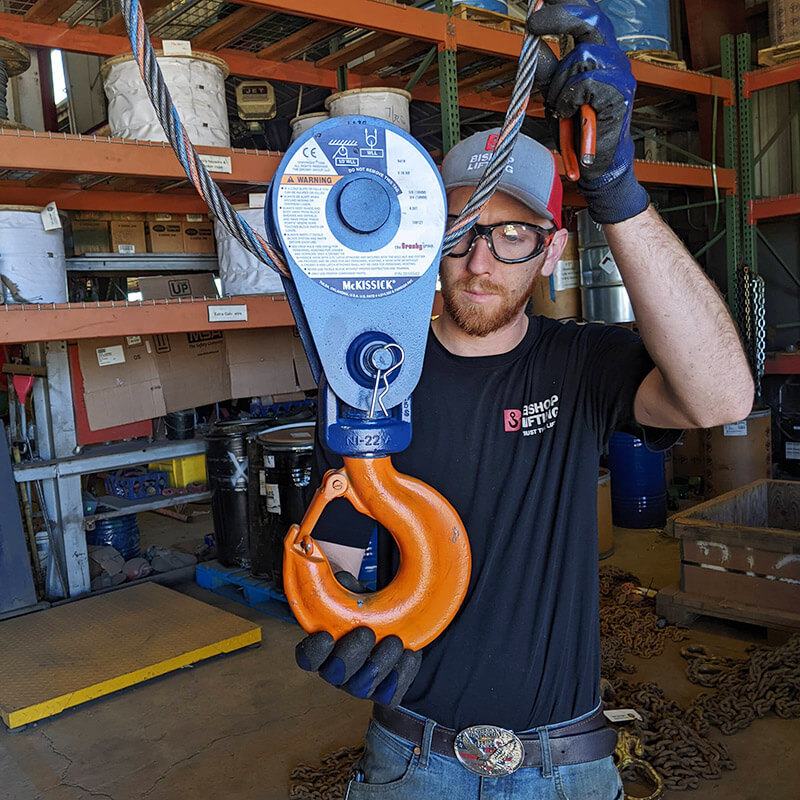
How to Use a Snatch Block Safely (Step-by-Step for Rigging & Pulling)
Jan 30th 2026
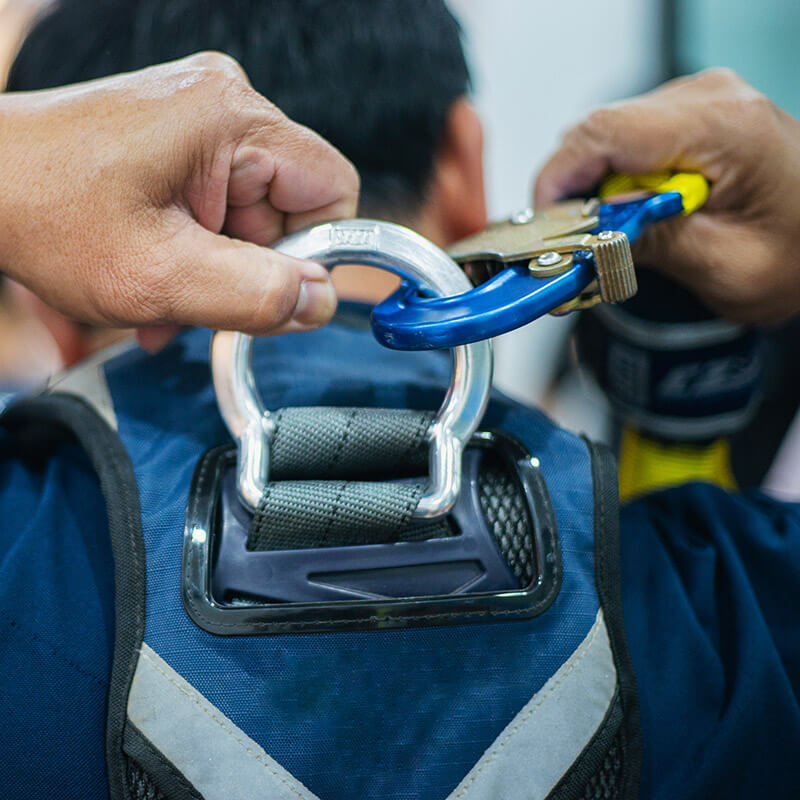
What Is the “New” OSHA Standard for Fall Protection?
Jan 27th 2026