

The 3 Main Types of Shackles (and How to Choose the Right One)
Shackles are load-rated connectors used to join slings, chain, wire rope, hooks, and lifting points. The right selection helps reduce risk from side-loading, poor fit, and unintended pin rotation—especially during critical lifts.
- Match the WLL to the lift plan (including sling angle factors) and confirm markings are legible.
- Avoid side loading unless the shackle is specifically rated for it—side loading can reduce capacity significantly.
- Check fit: the pin should not “point load” slings, wire rope, or chain—use the correct size and geometry.
- Inspect for deformation, thread damage, cracks, excessive wear, or mismatched pins before each use.
- Choose the right pin style for the application (quick pick-and-place vs semi-permanent).
Bow / Anchor Shackles (Rounded “Bow”)
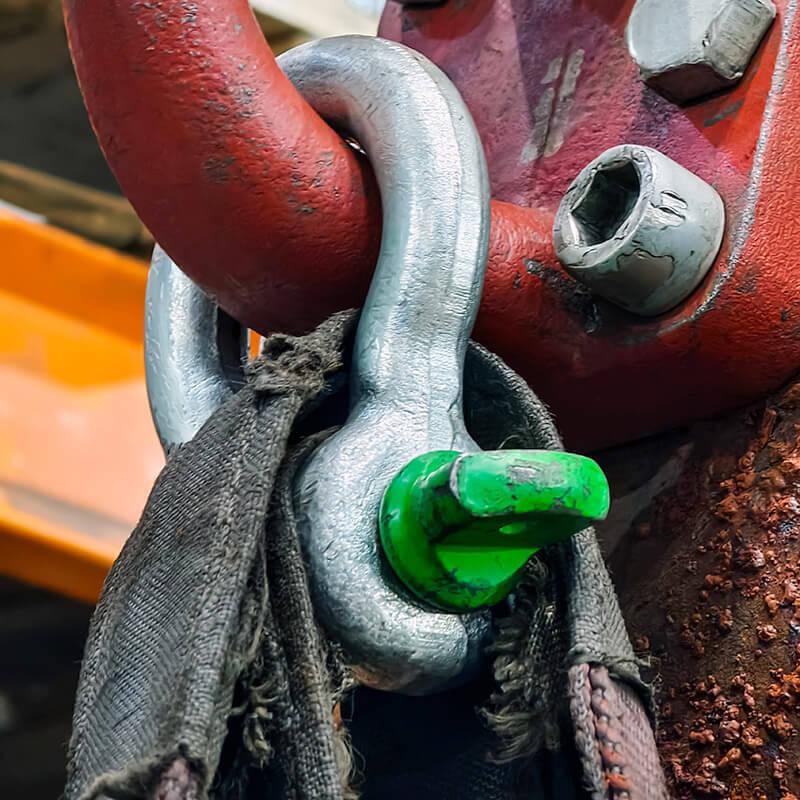
Bow shackles (often called anchor shackles) have a wider, rounded body that provides more room for sling eyes and multi-leg bridle connections. This geometry helps accommodate non-perfect alignment and can be a better fit when connection points need extra clearance.
- Multi-leg bridle slings and wider sling eyes
- General-purpose rigging where alignment may vary
- Connections needing extra room inside the bow
Chain / D Shackles (Straight-Side)
Chain shackles (also called D shackles or straight-side shackles) are designed for in-line loading where space is limited and the pull direction is controlled. Their narrower shape is a strong choice when you want to minimize the chance of side loading.
- Straight-line connections (controlled loading direction)
- Tight rigging setups where a wider bow won’t fit
- Chain and hardware connections where alignment is consistent
Long Reach Shackles (Extended Body)
Long reach shackles provide extra length between the bow and pin, helping you connect into recessed pick points or awkward attachment areas. They’re common in construction and heavy rigging when standard shackles don’t provide enough clearance.
- Recessed pick points and hard-to-reach lift lugs
- Situations where clearance reduces binding and improves alignment
- Construction and heavy rigging requiring extended connection geometry
Pin Styles Matter: Screw Pin vs Bolt Type
Shackle “type” is the body shape (bow vs chain vs long reach), but pin style often determines whether a shackle is best for quick handling or a more secure, longer-term connection.
- Screw pin shackles: fast and convenient for pick-and-place rigging and frequent removal.
- Bolt type shackles (bolt + nut + cotter pin): extra security for semi-permanent setups or vibration-prone environments.
Related Reading (Lifting.com Blog)
Not sure which shackle you need?
Start with the full shackle category and narrow down by body style, pin style, size, and Working Load Limit.
Shop All Shackles
Essential Equipment Used in Logging (The Gear That Actually Moves Wood)
Mar 4th 2026
Ratchet vs. Lever Chain Binders: Which Is Better for Your Load?
Mar 2nd 2026
Lifting vs. Rigging Equipment: What’s the Difference (and What You Actually Need)?
Feb 24th 2026
The Complete Buyer’s Guide to Overhead Cranes
Feb 13th 2026
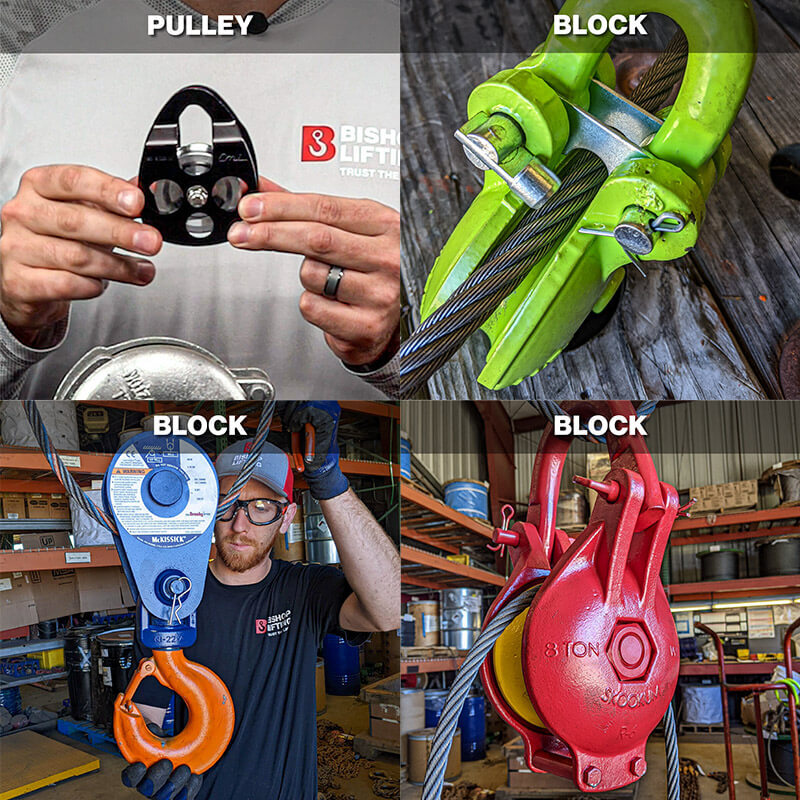
Which Pulley Can Lift Heavy Loads?
Feb 11th 2026
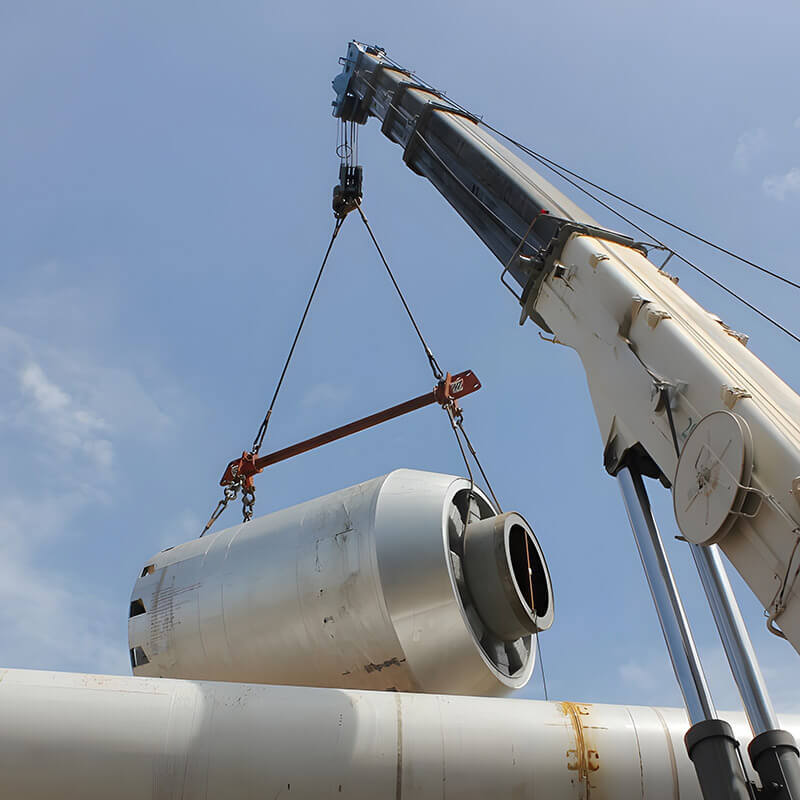
When Should a Spreader Bar Be Used for Lifting?
Feb 3rd 2026
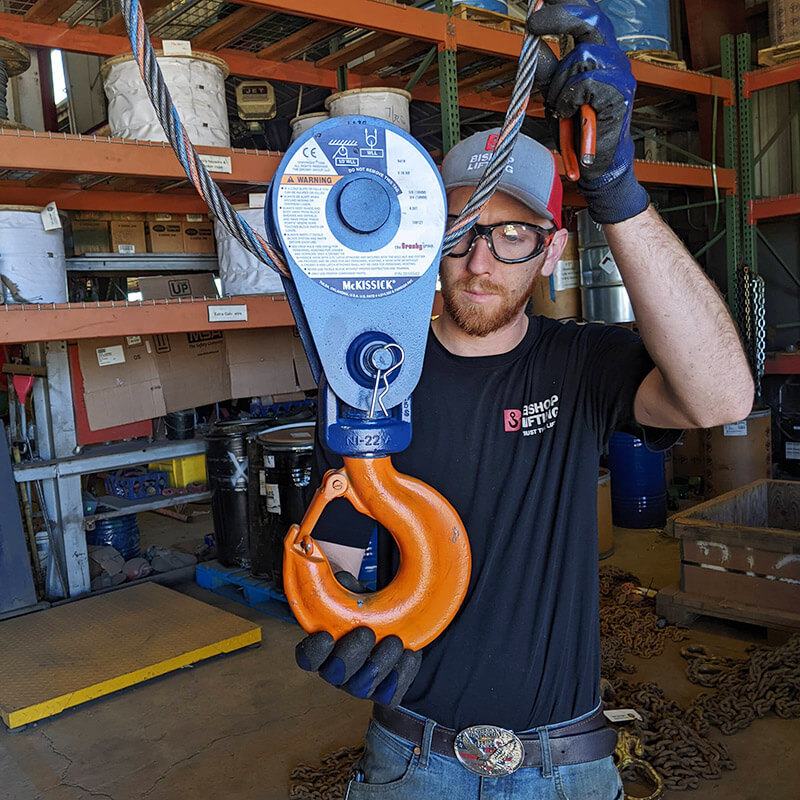
How to Use a Snatch Block Safely (Step-by-Step for Rigging & Pulling)
Jan 30th 2026
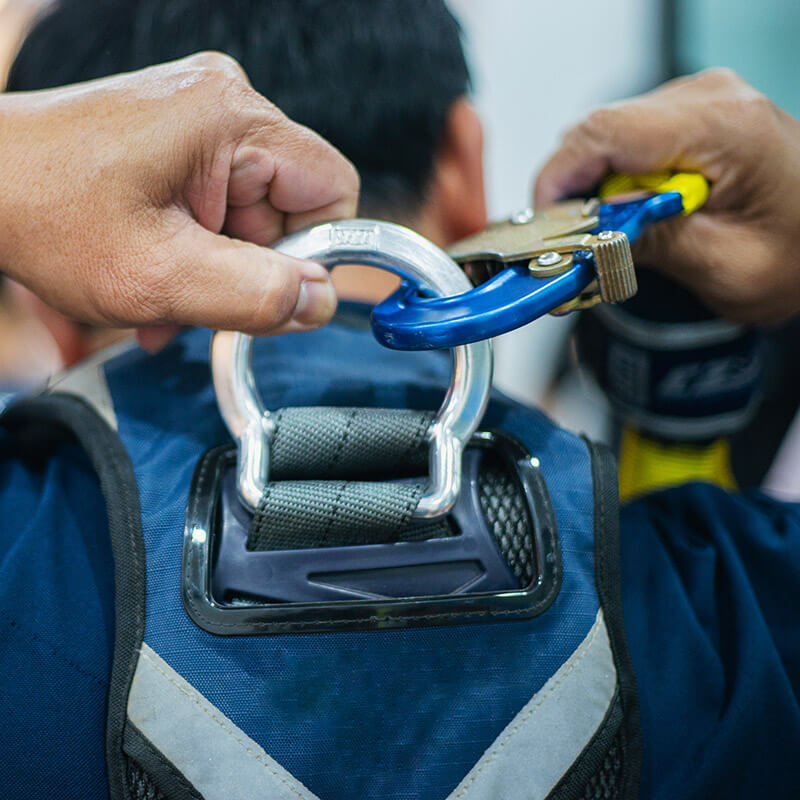
What Is the “New” OSHA Standard for Fall Protection?
Jan 27th 2026
The 3 Main Types of Shackles (and How to Choose the Right One)
Jan 19th 2026