
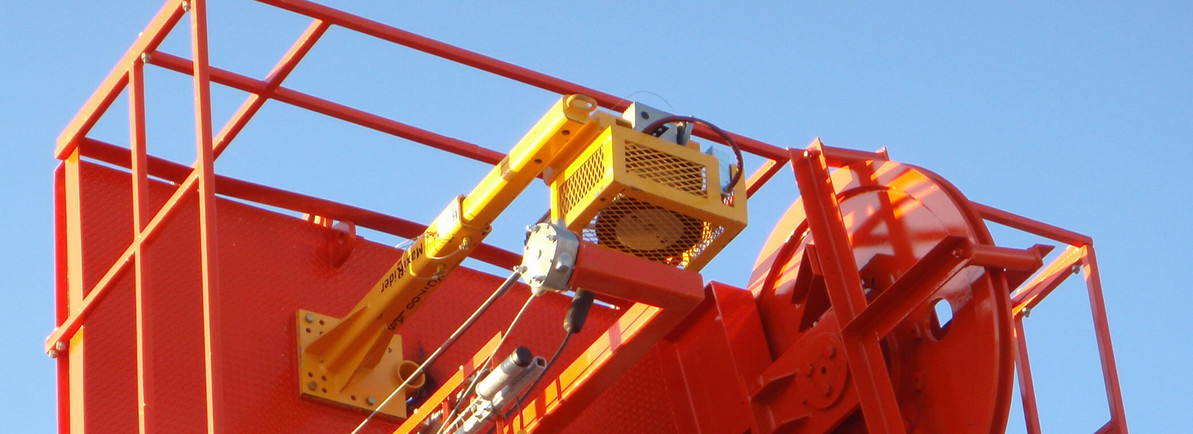
Maxirider the New Standard in Personnel Lifting
Exclusive to Bishop Lifting
For years, personnel lifting was handled with modified material winches, quick but imprecise and risky. The MaxiRider® personnel lifting device changes that with a purpose-built, personnel-rated hoist, rider-held wireless controls, and multiple engineered safeguards. The result is smoother travel, clearer communication, and fewer on-site personnel—all backed by Bishop Lifting’s ISO-certified expertise.
Why choose MaxiRider®?
- Wireless rider control: The rider commands ascent/descent, reducing miscommunication and the number of spotters required.
- Predictable travel speed: 33 fpm with smooth acceleration and deceleration for precise positioning.
- Blocstop® over-speed protection: Secondary brake engages instantly if a surge occurs.
- Upper limit switch: Helps prevent two-blocking at the crown.
- Emergency stop & controlled descent: Motion ceases when buttons are released; controlled descent available in emergencies.
- Compact & portable: Easily mounted, relocated, and protected with included accessories where noted.
- Hazardous location readiness: Electrical components meet Class I, Div. II specifications.
Three MaxiRider® configurations
| Model | Mounting | Capacity | Wire Rope | Speed | Power | Approx. Weight | Typical Application |
|---|---|---|---|---|---|---|---|
| MR1-CMS-NIS | Crown Mount | 700 lbs | 8 mm; 210 ft reach | 33 fpm | 110V / 1 phase, 12 A | ~395 lbs | Mounted at the crown for vertical access; protective cage & moisture tarp included. |
| MR2-FMB-IS | Floor Mount | 700 lbs | 8 mm; 400 ft length standard | 33 fpm | 220V / 3 phase, 5 A; pneumatic option available | ~680 lbs | Drill floor installation; compact footprint stays clear of rotating equipment. |
| MR1-SMS-NIS | Skid Mount | 700 lbs | 8 mm; 400 ft reach | 33 fpm | 110V / 1 phase, 12 A | ~7,700 lbs | Ground-level skid mount for off-rig-floor operations; includes MaxiRider® base skid (Part #MR-5329). |
All configurations use the Tractel Tirak® XE 301 P personnel-rated hoist.
What it means for your team
- Cleaner communication: Rider-held control reduces hand signals and radio chatter.
- Predictable, comfortable travel: Smooth acceleration/deceleration supports precise positioning.
- Layered protection: Redundancies help reduce common personnel-lifting incidents.
Brochure & catalog
Download the MaxiRider® brochure (PDF) | View the catalog page
Availability & next steps
MaxiRider® is offered exclusively by Bishop Lifting and is not sold via eCommerce. For quotes, site fit-ups, or help configuring crown, floor, or skid-mounted systems for your operation, contact Bishop Lifting. Our ISO-certified facilities and application experts will help you select, install, and support the right MaxiRider® solution for your site.
FAQ
Is MaxiRider® a personnel-rated hoist?
Yes—each model uses the Tractel Tirak® XE 301 P personnel-rated hoist.
How fast does it travel?
All models operate at a controlled 33 fpm with smooth acceleration and deceleration.
What safety systems are included?
Rider-held wireless control, Blocstop® over-speed protection, upper limit switch, and emergency stop/controlled descent are standard.
Is it suitable for hazardous locations?
Electrical components meet Class I, Div. II specifications.
Where can I buy it?
MaxiRider® is available only through Bishop Lifting; request a quote or site assessment to get started.
Always follow applicable regulations and site procedures. Specifications subject to change; consult the brochure and Bishop Lifting for final confirmation.

What Type of Chain Is Used for Overhead Lifting?
Mar 6th 2026
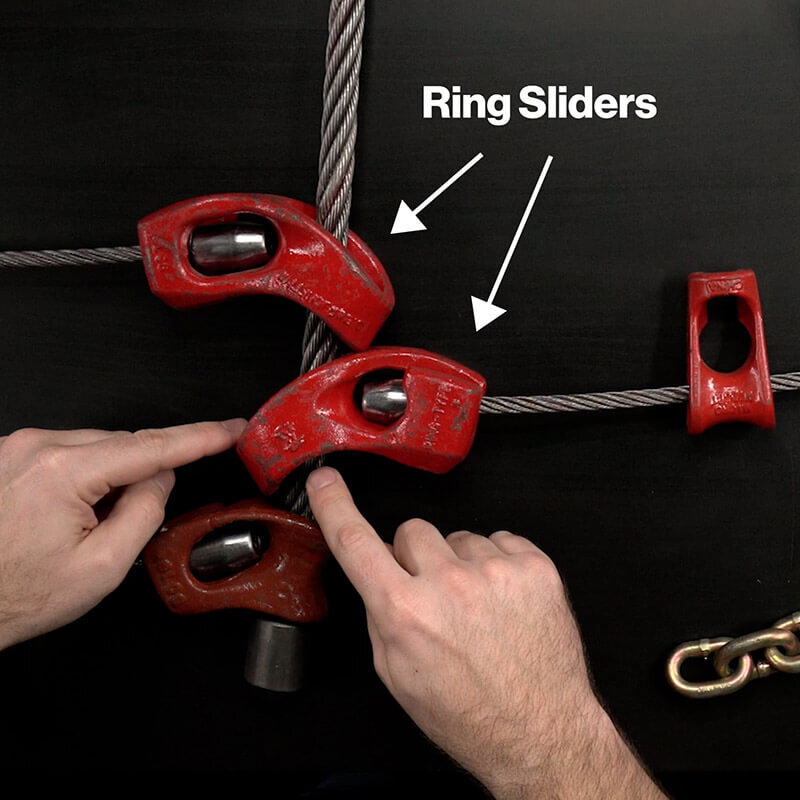
Essential Equipment Used in Logging (The Gear That Actually Moves Wood)
Mar 4th 2026

Ratchet vs. Lever Chain Binders: Which Is Better for Your Load?
Mar 2nd 2026
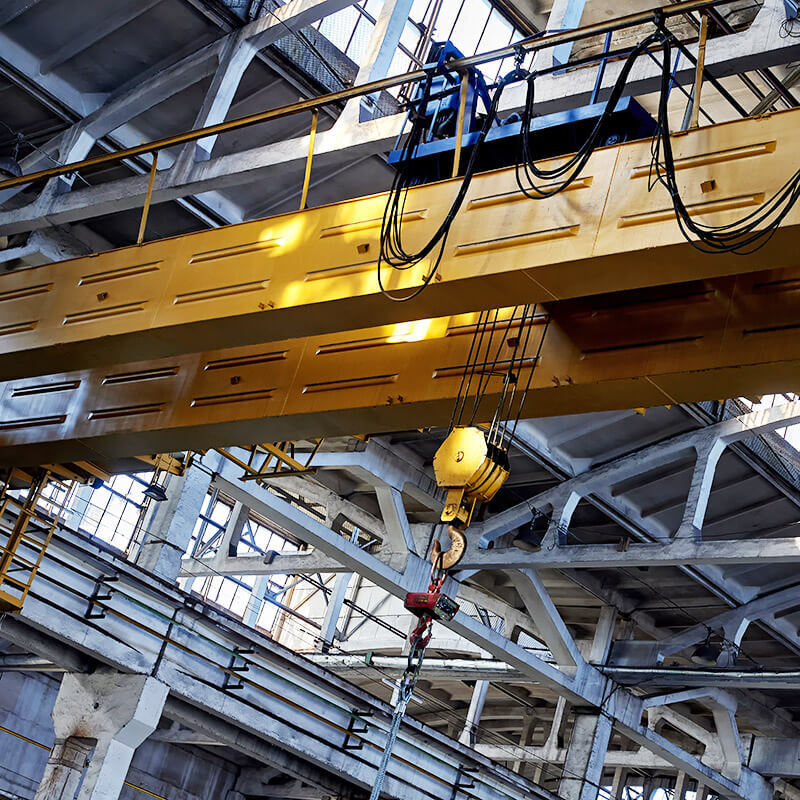
Lifting vs. Rigging Equipment: What’s the Difference (and What You Actually Need)?
Feb 24th 2026
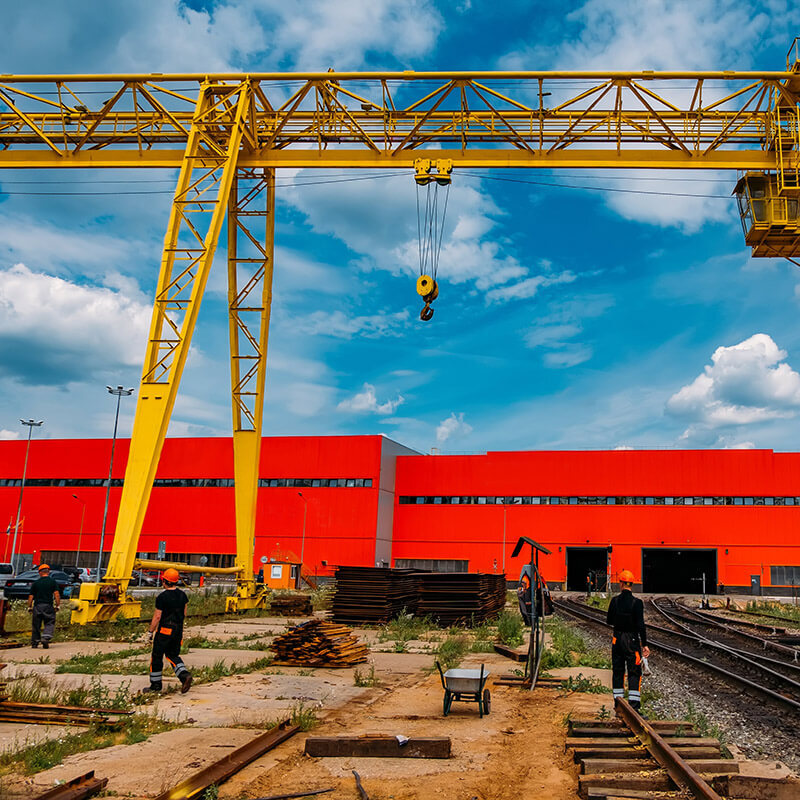
The Complete Buyer’s Guide to Overhead Cranes
Feb 13th 2026
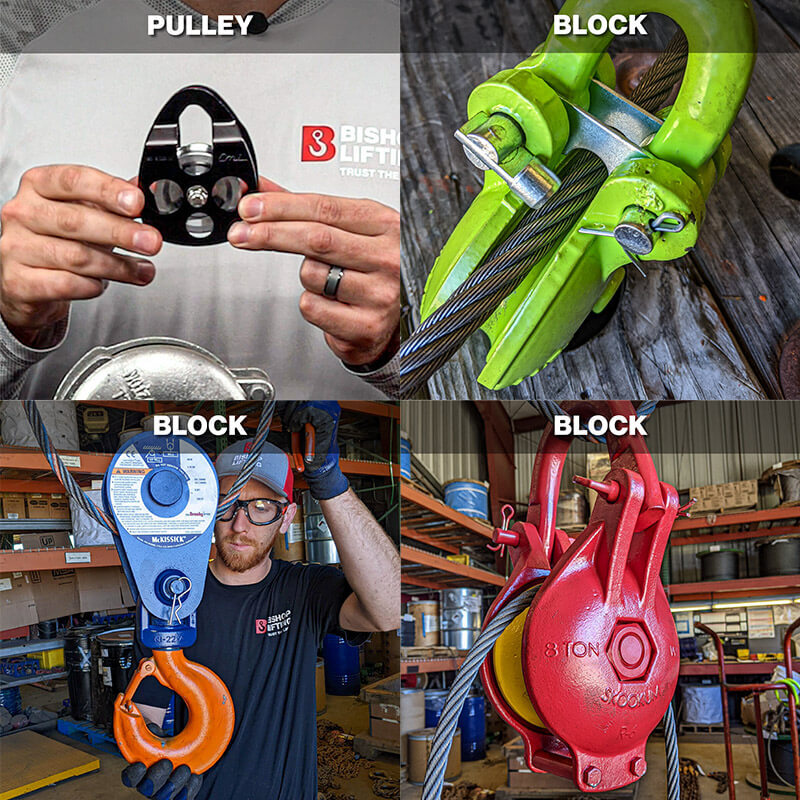
Which Pulley Can Lift Heavy Loads?
Feb 11th 2026
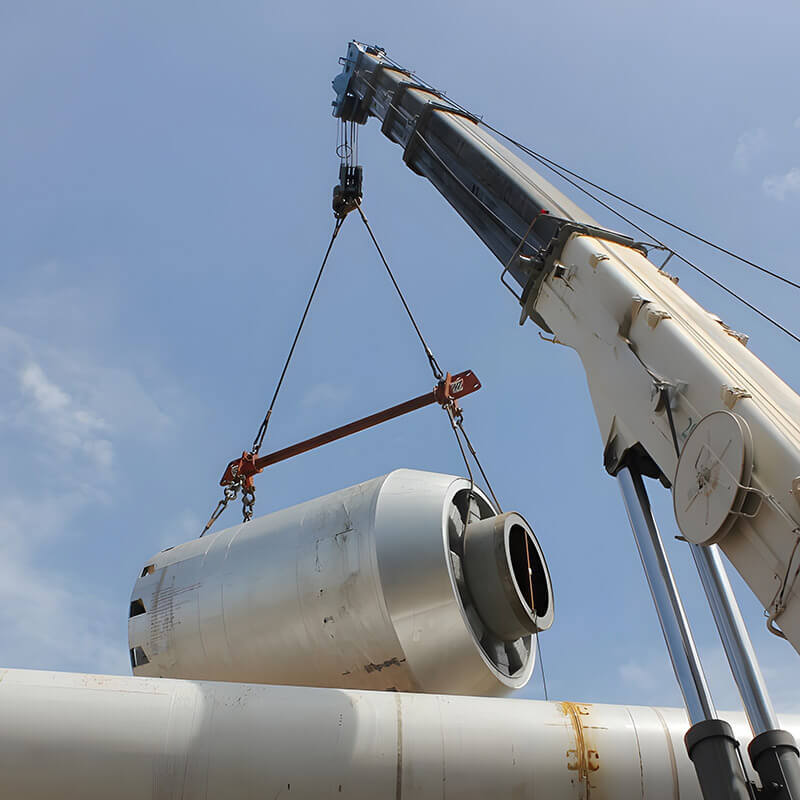
When Should a Spreader Bar Be Used for Lifting?
Feb 3rd 2026
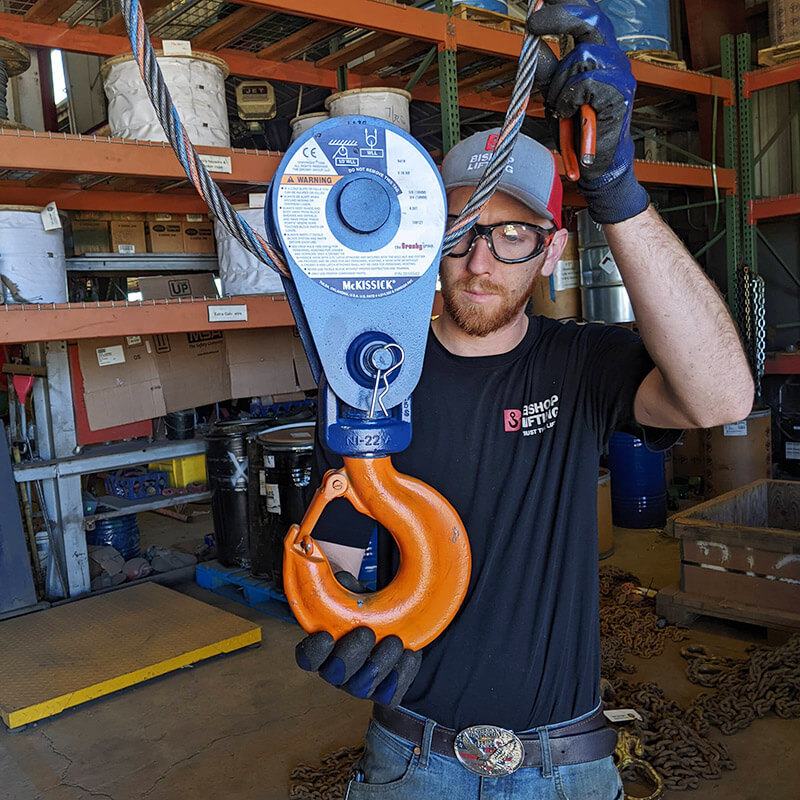
How to Use a Snatch Block Safely (Step-by-Step for Rigging & Pulling)
Jan 30th 2026
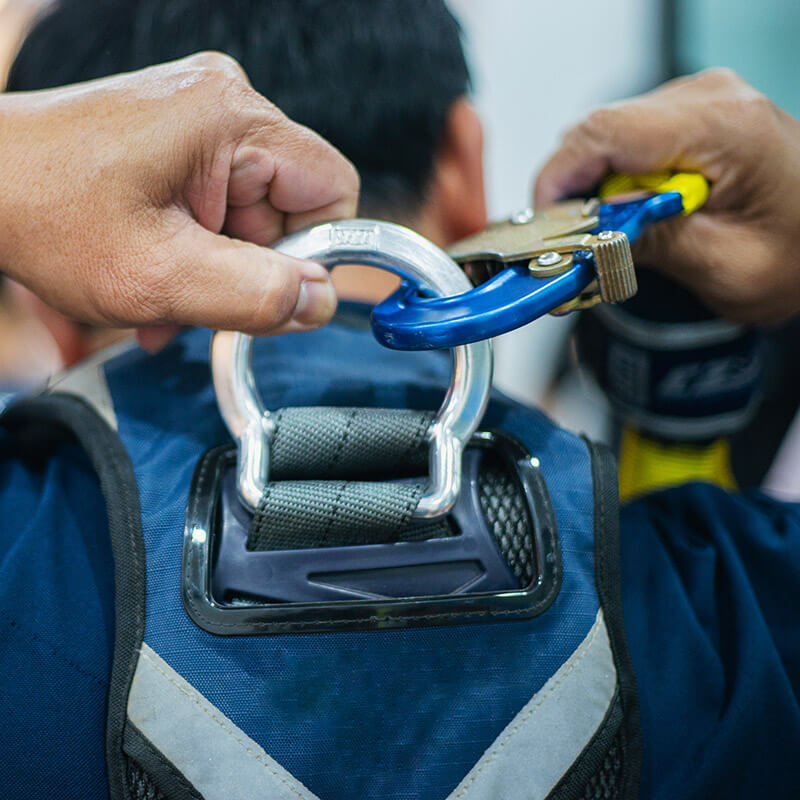
What Is the “New” OSHA Standard for Fall Protection?
Jan 27th 2026