
What Is the 10-Foot Rule for Rigging?
Dec 15th 2025
A practical safety concept for keeping people out of the highest-risk zone near suspended loads—plus what to inspect, what to document, and which rigging gear matters most.
Important clarification
The “10-foot rule” is commonly used as a site safety control (a rule of thumb) to reduce exposure around suspended loads. It should be treated as a best-practice exclusion zone that supports your lift plan, training, and inspection program—not as a single universal regulation.
Table of contents
What the 10-foot rule means in practice
In many shops and jobsites, the “10-foot rule” is a simple way to communicate this safety expectation:
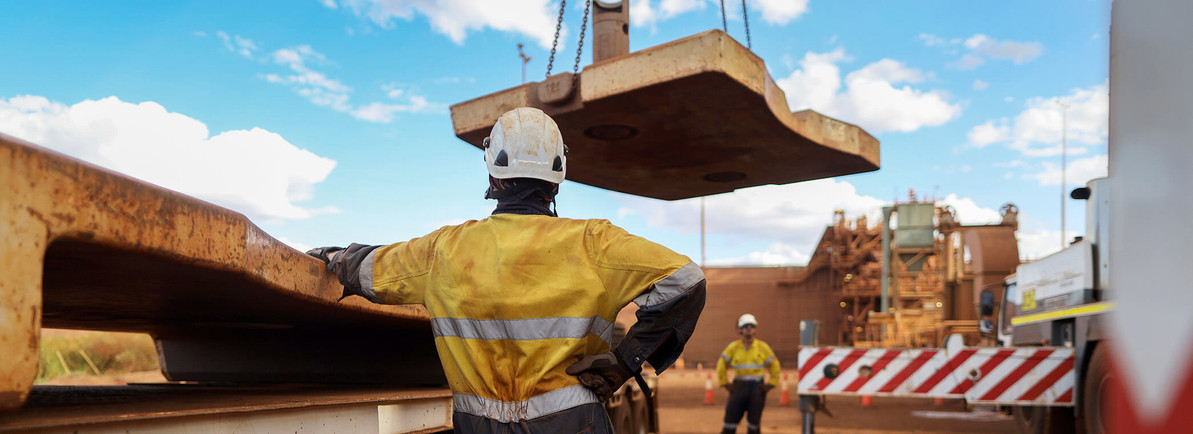
Keep non-essential personnel at least 10 feet away from the suspended load and rigging path.
If someone must enter that area, treat it as a controlled zone: pause, verify the rigging setup, and confirm the lift plan and communication.
Related reading: What is the first rule of rigging?
Why it matters: risk reduction around suspended loads
The greatest hazard in rigging is exposure to a suspended load. Distance helps reduce the chance of injury from dropped objects, swinging loads, rigging failure, or unexpected movement. A clearly defined “keep clear” zone also improves communication and reduces last-second walkthroughs under the hook.
Pro tip
If the lift involves limited visibility, multiple crews, or tight travel paths, consider expanding beyond 10 feet and using spotters, barricades, and a formal pre-lift brief. “10 feet” is a minimum communication tool—your hazard assessment should determine the real boundary.
How to apply it on the jobsite
A simple “10-foot zone” checklist
- Define the boundary: mark the travel path and landing zone (cones, tape, signage, spotters).
- Limit access: only essential lift personnel inside the zone.
- Confirm communication: one signal person, clear commands, no conflicting direction.
- Verify the rigging: correct hitch, proper WLL, compatible hardware, and secure connections.
- Do a slow “test lift”: raise just enough to confirm balance and stability before traveling.
Helpful reference: What hardware is used in rigging?
What to inspect when people enter the “10-foot zone”
A controlled zone is only as safe as the gear in it. If personnel must work close to rigging, treat that as a trigger for a focused inspection: sling condition, connector integrity, and clear identification of WLL and tags.
Slings
Check for cuts, abrasion, heat/chemical damage (synthetics), broken wires or deformation (wire rope), and wear or stretch (chain). Confirm tags are readable and match the lift plan.
Hooks & shackles
Verify latch function, throat opening, pin engagement, and that the size/fit is correct for the sling and attachment point. Confirm hardware is load-rated and appropriate for the connection.
Documentation & testing
For critical lifts or high-use gear, proof testing and documented inspection programs help reduce uncertainty and improve compliance readiness.
Learn more about proof testing
Proof testing is an important part of many inspection programs and can help verify gear condition after repair, recertification, or long dormancy.
Read: Proof-Testing Rigging Slings Rigging gear that supports safer lifts
Category intro: Slings
If you’re standardizing your rigging program, start with slings. Lifting.com carries the main sling families used across industry—so you can match sling type to environment, load, and handling needs.
Shop Slings Category intro: Wire Rope Slings
Need abrasion resistance and a strong “everyday lift” solution? Wire rope slings are a common fit for fabrication, construction, and industrial handling where rugged performance matters.
Shop Wire Rope Slings Category intro: Synthetic Slings
For lighter handling and better load protection, synthetic slings (web and round) can help reduce surface damage and improve rigging efficiency—especially for finished or delicate loads.
Shop Synthetic Slings Category intro: Alloy Chain Slings
When the job is harsh—abrasion, rugged handling, or higher-temperature environments—chain slings are often the workhorse option. They’re also useful when adjustability matters.
Shop Chain Slings Category intro: Rigging Hardware
Most rigging problems start at the connection point. Build safer systems with load-rated rigging hardware that matches your sling type and attachment method.
Shop Rigging Hardware Category intro: Inspection & Certification Support
If your program includes periodic inspection, proof testing, or modernization planning, Lifting.com’s inspection services support documented compliance and confidence—especially for high-use or critical-lift gear.
Explore Inspection Services FAQ
Is the 10-foot rule an OSHA regulation?
It’s commonly used as a site rule or best-practice exclusion zone. Your compliance requirements come from applicable standards and your company’s procedures; use the “10-foot zone” concept to strengthen lift planning, control access, and reinforce inspections.
What should trigger extra caution beyond 10 feet?
Limited visibility, high travel distance, multiple crews, wind, tight landing zones, or any lift where the load could swing. In those cases, increase the boundary and use additional controls (spotters, barricades, formal pre-lift brief).
What’s the most important inspection habit for rigging safety?
Inspect before use—every time. That includes the sling, the hardware, the attachment points, and readable identification/WLL. Resource: What is the first rule of rigging?
Build a safer rigging program
Shop core rigging gear and strengthen your inspection/testing workflow.
Note: This article is informational and does not replace training, lift planning, or applicable standards. Always follow your site procedures and use properly rated equipment.
What Is the Difference Between a Gantry Crane and a Davit Crane?
Mar 13th 2026
Cranes + Winches Guide
Gantry Crane vs. Davit Crane: What’s the Difference?
Learn how gantry crane…

Do Lifting Chains Need to Be Certified?
Mar 10th 2026
Rigging Safety Guide
Understanding inspection requirements, chain grades, and how to choose liftin…

What Type of Chain Is Used for Overhead Lifting?
Mar 6th 2026
In overhead lifting, the “right chain” is not a preference—it’s a safety and compliance requirement…
Essential Equipment Used in Logging (The Gear That Actually Moves Wood)
Mar 4th 2026
Logging • Forestry • Rigging + Load Securement
Logging operations rely on heavy machinery—but the…
Ratchet vs. Lever Chain Binders: Which Is Better for Your Load?
Mar 2nd 2026
Load Securement • Binders + Chains • Field Guide
Choosing the right chain binder isn’t just prefer…
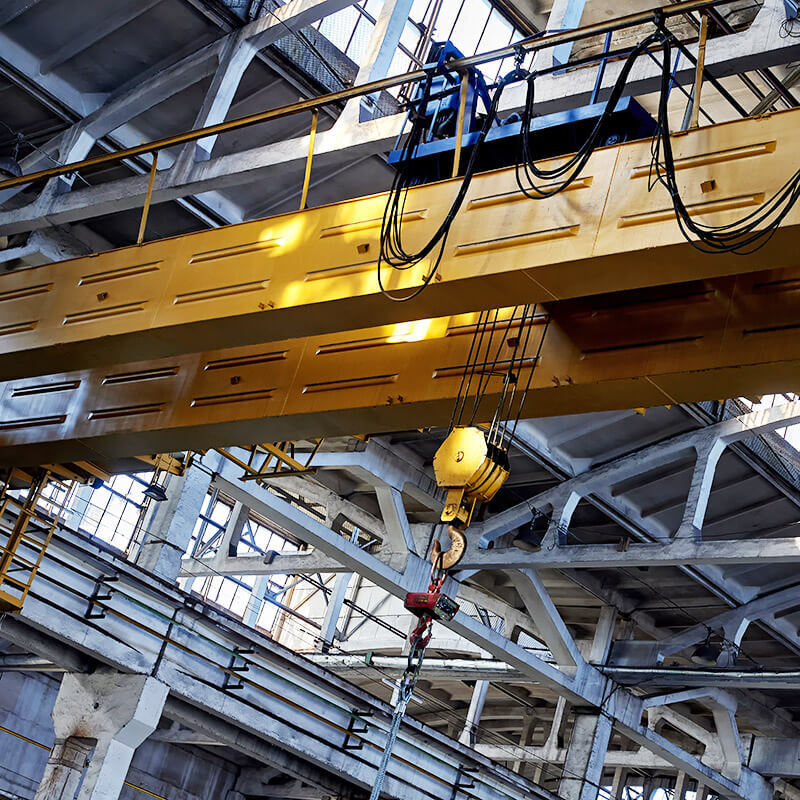
Lifting vs. Rigging Equipment: What’s the Difference (and What You Actually Need)?
Feb 24th 2026
Lifting & Rigging Fundamentals
“Lifting” and “rigging” get used interchangeably on job sites—but…
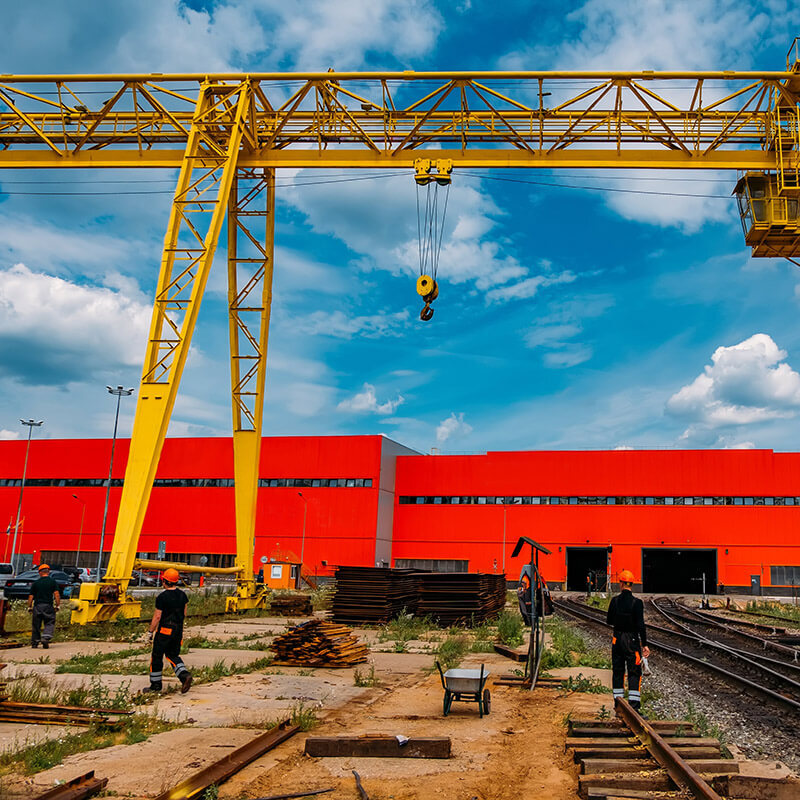
The Complete Buyer’s Guide to Overhead Cranes
Feb 13th 2026
A practical, standards-minded guide for selecting an overhead crane system—and the hoist + rigging…
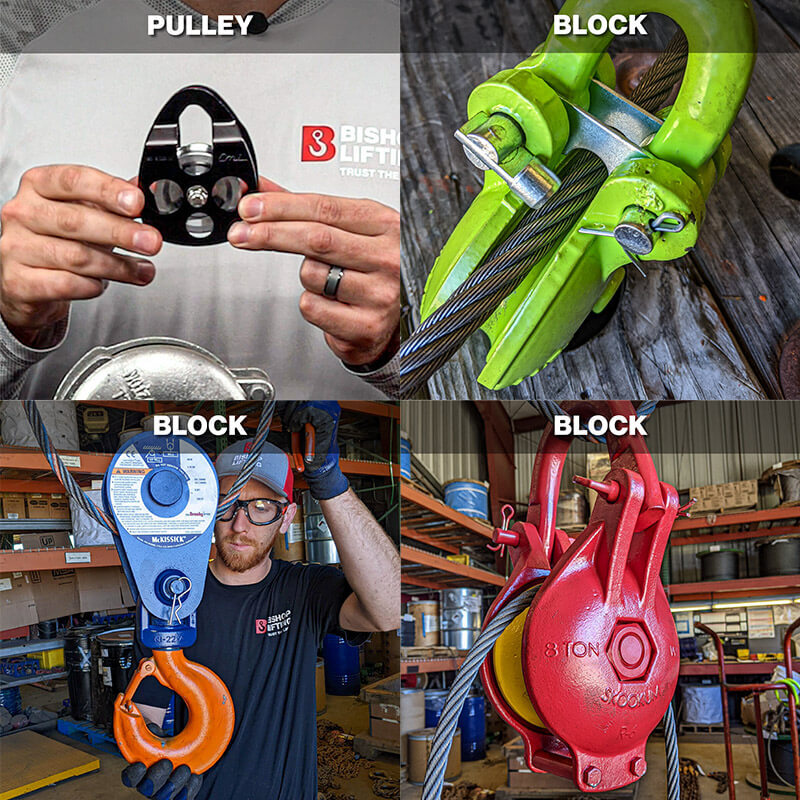
Which Pulley Can Lift Heavy Loads?
Feb 11th 2026
A Buyer’s Guide to Blocks & Snatch Blocks
If you’re lifting or pulling serious weight, you’re usua…
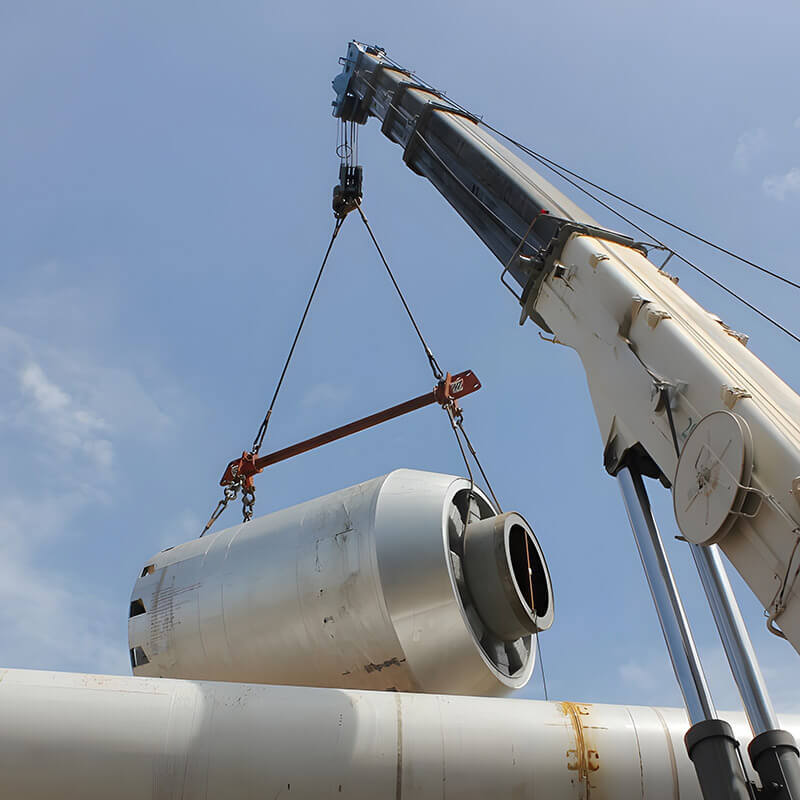
When Should a Spreader Bar Be Used for Lifting?
Feb 3rd 2026
Rigging + Below-the-Hook Devices
A spreader bar (often called a spreader beam in product catalogs)…