

Is Palmer Safety OSHA Compliant?
What “OSHA-compliant” means in practice—and how to equip your crews with the right Palmer Safety gear.
What “OSHA-Compliant” Really Means
OSHA sets performance requirements for personal fall protection systems, while ANSI Z359 standards define how equipment is designed and tested. In practice, compliance means selecting certified gear, following the manufacturer’s instructions for use, training workers, and documenting regular inspections.
That means when you see Palmer Safety gear labeled as OSHA-compliant, it’s because the products are designed and tested to meet OSHA performance criteria through compliance with the ANSI Z359 series of standards.
Where Palmer Safety Fits
Palmer Safety manufactures full-body harnesses, shock-absorbing and positioning lanyards, self-retracting lifelines (SRLs), and anchors designed to meet OSHA requirements and applicable ANSI Z359 standards when used as directed. The lineup covers fall arrest and fall restraint applications with hardware strength, energy absorption, and connector performance aligned to current benchmarks.
Quick Selection Guide
- Harnesses: Choose the D-ring configuration for the task (dorsal for arrest; side D-rings for positioning). Ensure correct size and capacity.
- Lanyards: Use shock-absorbing lanyards for fall arrest; use restraint/positioning (non-energy-absorbing) lanyards where free-fall is not possible.
- SRLs: Match Class and leading-edge ratings to anchorage location and edge hazards; verify clearance requirements.
- Anchors: Select by structure (steel, concrete, roofing) and confirm rated capacity and compatibility with your system.
Inspection & Use
- Inspect webbing, stitching, hardware, labels, and energy absorbers before each use; remove damaged gear from service per ANSI Z359.2.
- Follow the manufacturer’s instructions for tie-off, clearance, connectors, and compatibility.
- Document inspections and worker training as part of your safety program.
FAQs: Palmer Safety & OSHA Compliance
Quick answers for safety managers and buyers. Always follow the manufacturer’s instructions and your written fall protection plan.
Is Palmer Safety “OSHA-approved”?
What’s the difference between OSHA and ANSI?
How often should harnesses, lanyards, and SRLs be inspected?
Can I mix components from different brands?
When do I need a leading-edge SRL?
Bottom line: Yes—Palmer Safety equipment is designed and tested to meet OSHA and ANSI requirements when used as directed. Choose the correct component for the job, train your team, and document inspections to keep your program compliant and defensible.
Shop Palmer SafetyShop by Category
Harnesses & Body BeltsFull-body harnesses for fall arrest and belts for positioning; pick the D-ring layout and padding level for your application. Browse Harnesses |
Shock-Absorbing & Positioning LanyardsChoose energy-absorbing lanyards for arrest and non-absorbing for restraint/positioning; verify connectors and length. Shop Lanyards |
Self-Retracting Lifelines (SRLs)Personal and overhead SRLs, including leading-edge options; confirm class, clearance, and anchorage height. Shop SRLs |
AnchorsRoof, beam, cross-arm, and concrete anchors to match your structure and mobility needs—build a safe tie-off point. Shop Anchors |
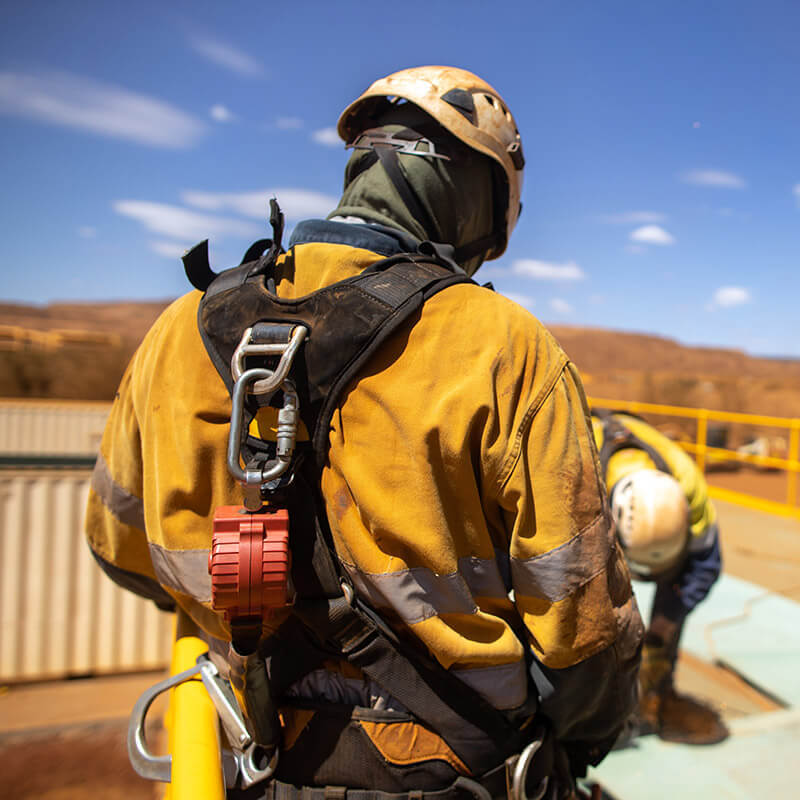
Is a Safety Harness Considered Fall Protection?
Mar 16th 2026
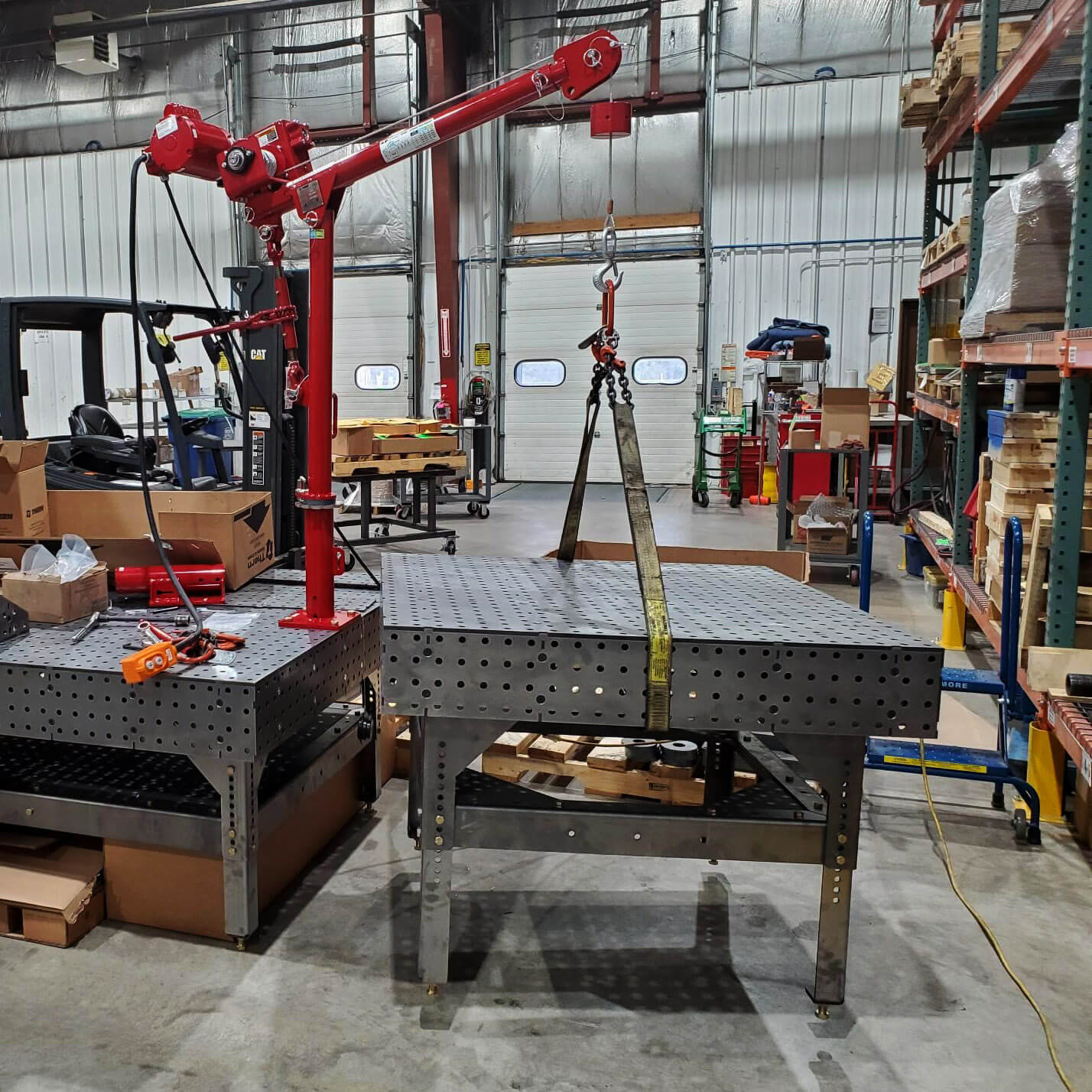
What Is the Difference Between a Gantry Crane and a Davit Crane?
Mar 13th 2026

Do Lifting Chains Need to Be Certified?
Mar 10th 2026

What Type of Chain Is Used for Overhead Lifting?
Mar 6th 2026
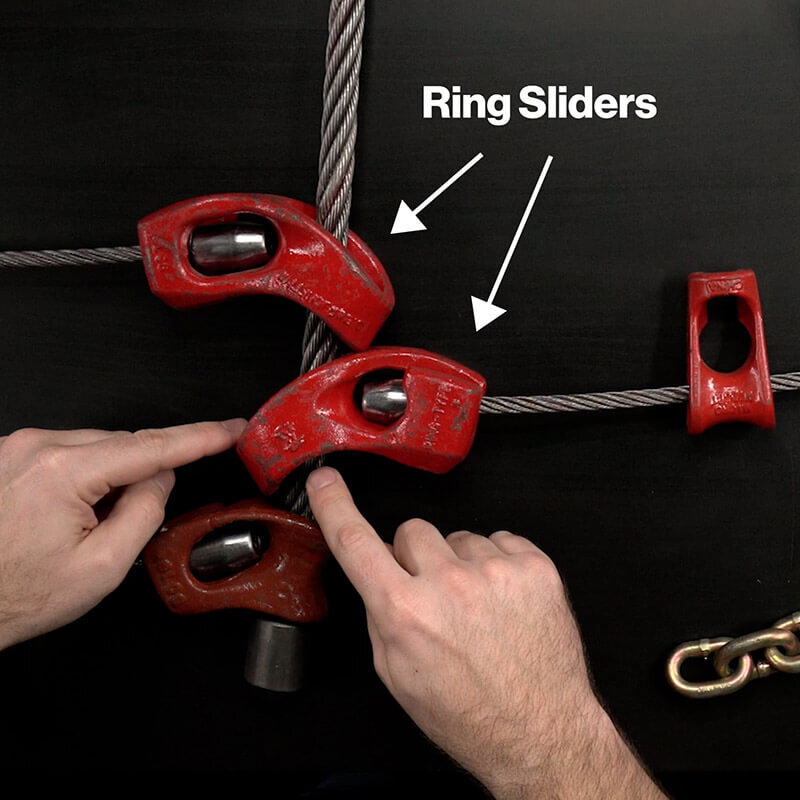
Essential Equipment Used in Logging (The Gear That Actually Moves Wood)
Mar 4th 2026
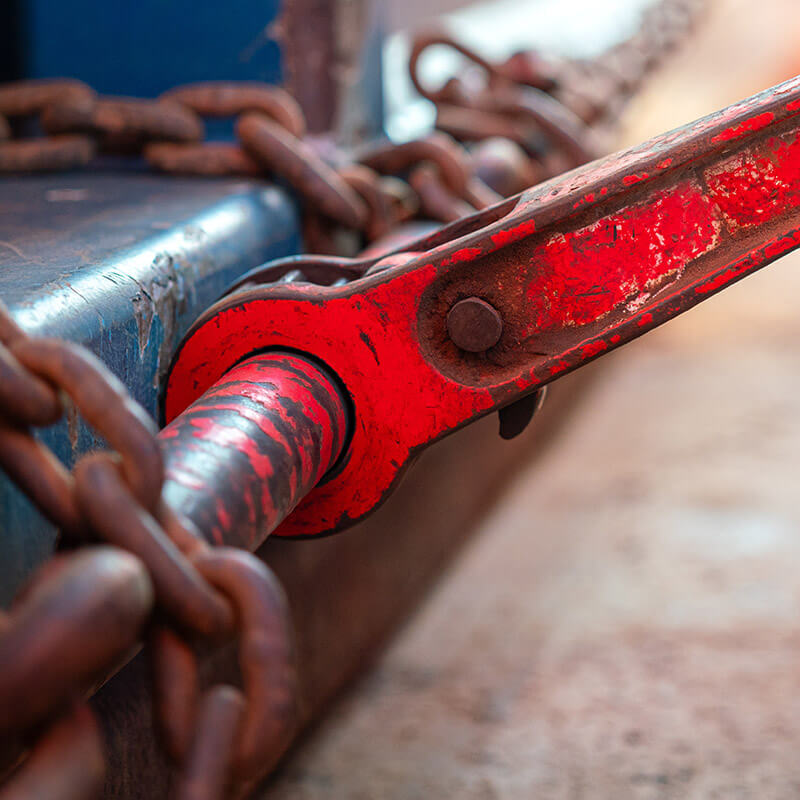
Ratchet vs. Lever Chain Binders: Which Is Better for Your Load?
Mar 2nd 2026
Lifting vs. Rigging Equipment: What’s the Difference (and What You Actually Need)?
Feb 24th 2026
The Complete Buyer’s Guide to Overhead Cranes
Feb 13th 2026
Which Pulley Can Lift Heavy Loads?
Feb 11th 2026